Wild Camping Laws in the UK: What You Can and Can't Do
When it comes to wild camping laws, the legal rules around sleeping outdoors away from designated campsites in the UK. Also known as unofficial camping, it’s a gray area that changes depending on where you are. In Scotland, wild camping is generally fine as long as you follow the Scottish Outdoor Access Code—pitch late, leave early, pack out everything, and avoid protected areas. But in England and Wales, it’s mostly illegal unless you have landowner permission. That doesn’t mean everyone gets fined—many people do it quietly—but the law doesn’t protect you if you’re caught.
The stealth camping UK, a practice of camping discreetly without drawing attention, often in remote spots overnight. Also known as low-profile camping, it’s how most people get around the strict rules in England and Wales. You won’t find signs saying "stealth camping allowed," but you’ll see people doing it near forests, riverbanks, and quiet moorlands. It’s not about breaking the law—it’s about staying under the radar. That means no fires, no loud music, no litter, and leaving no trace. If you’re spotted and complained about, even if you did everything right, you can still be asked to leave. Some local councils actively patrol popular spots, especially in national parks like the Lake District or Snowdonia, where tourism pressure is high.
Then there’s the England camping restrictions, the specific legal barriers that make most wild camping illegal in England, unlike in Scotland. Also known as campsite regulations, these rules stem from centuries-old land ownership laws. In England, almost all land is privately owned, and camping without permission counts as trespassing. There are a few exceptions—like Dartmoor, where bylaw allows limited wild camping—but even there, you can’t stay more than two nights in the same spot. The wild camping laws don’t just apply to tents. If you’re in a motorhome, campervan, or even a car with a bed inside, you’re still subject to the same rules. Sleeping in your vehicle overnight in a layby or roadside parking spot? Technically illegal unless it’s a designated rest area.
What about Wales? Same deal as England—no legal right to wild camp. The few places that turn a blind eye are usually remote, high-up areas where no one lives nearby. But if you’re near a village, a farm, or a popular hiking trail, you’re asking for trouble. Scotland’s the only place where you can legally pitch a tent almost anywhere, as long as you’re responsible. That’s why so many UK campers head north for weekend trips. The difference isn’t just about scenery—it’s about the law.
And don’t get fooled by the 36 rule, a loose guideline suggesting you should camp at least 36 meters from roads, dwellings, or footpaths to avoid complaints. Also known as campsite distance, it’s not law, but it’s widely followed by responsible campers. It’s not written anywhere official, but it’s the unwritten code that keeps you out of trouble. If you stick to this, avoid popular spots, and leave no trace, you’re more likely to be left alone. But if you show up with a loud generator, a group of friends, and a six-person tent in a quiet valley? You’re not just breaking the rules—you’re making life harder for everyone else.
So what’s the real takeaway? Wild camping isn’t a right in most of the UK—it’s a privilege you earn by being quiet, clean, and respectful. The law doesn’t give you permission, but your behavior can earn you tolerance. If you want to stay safe and legal, stick to official campsites. But if you’re after that quiet night under the stars, know the rules, pick your spot wisely, and never assume it’s okay just because no one’s around. The next time you’re planning a trip, check local bylaws, respect landowners, and remember: the best wild camping spots aren’t the ones everyone knows about—they’re the ones you find quietly, leave cleanly, and never tell anyone about.
-
 VIEW POST
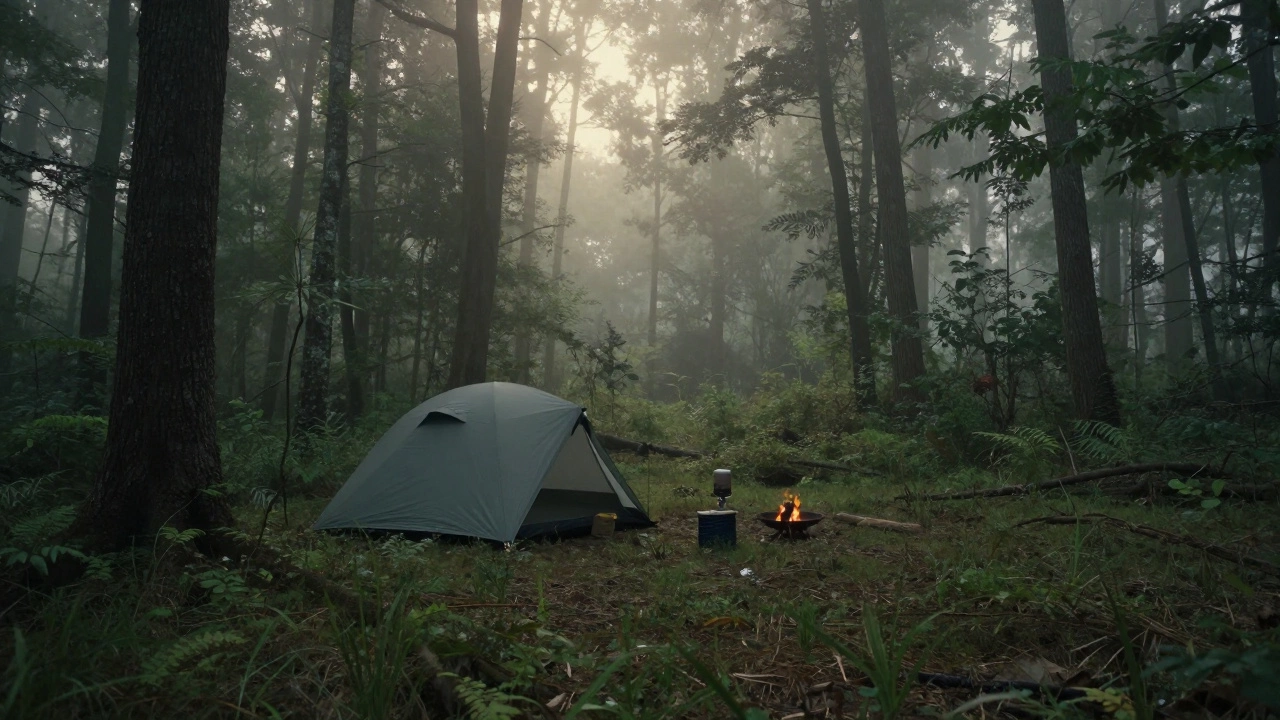
Can You Camp in Forests in England? The Real Rules for Wild Camping
Mar, 23 2026|0 CommentsCan you camp in forests in England? The rules aren't clear-cut. While wild camping isn't legal everywhere, there are safe, legal ways to camp in wooded areas-if you know where to look and how to do it right. -
 VIEW POST
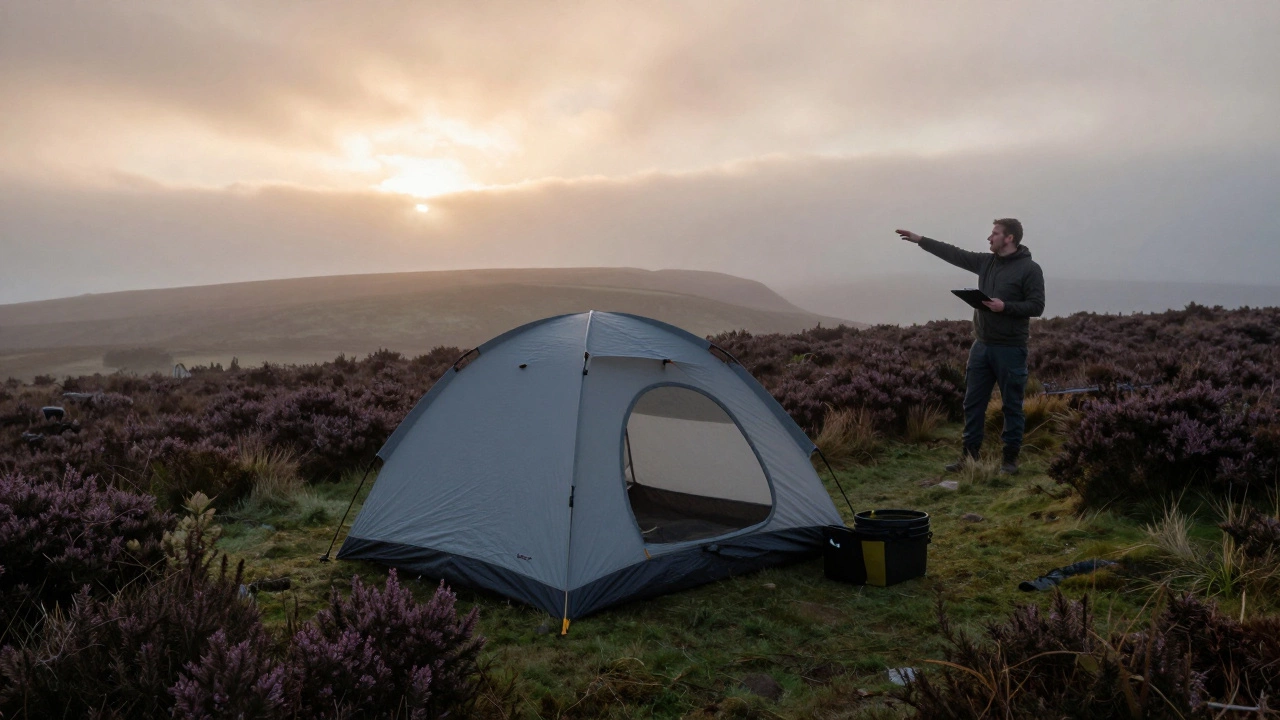
What Happens If You Get Caught Wild Camping in England?
Dec, 22 2025|0 CommentsWild camping in England isn't illegal everywhere, but without permission, you're trespassing. Learn what happens if you're caught, where it's tolerated, and how to camp legally without fines or conflict. -
 VIEW POST
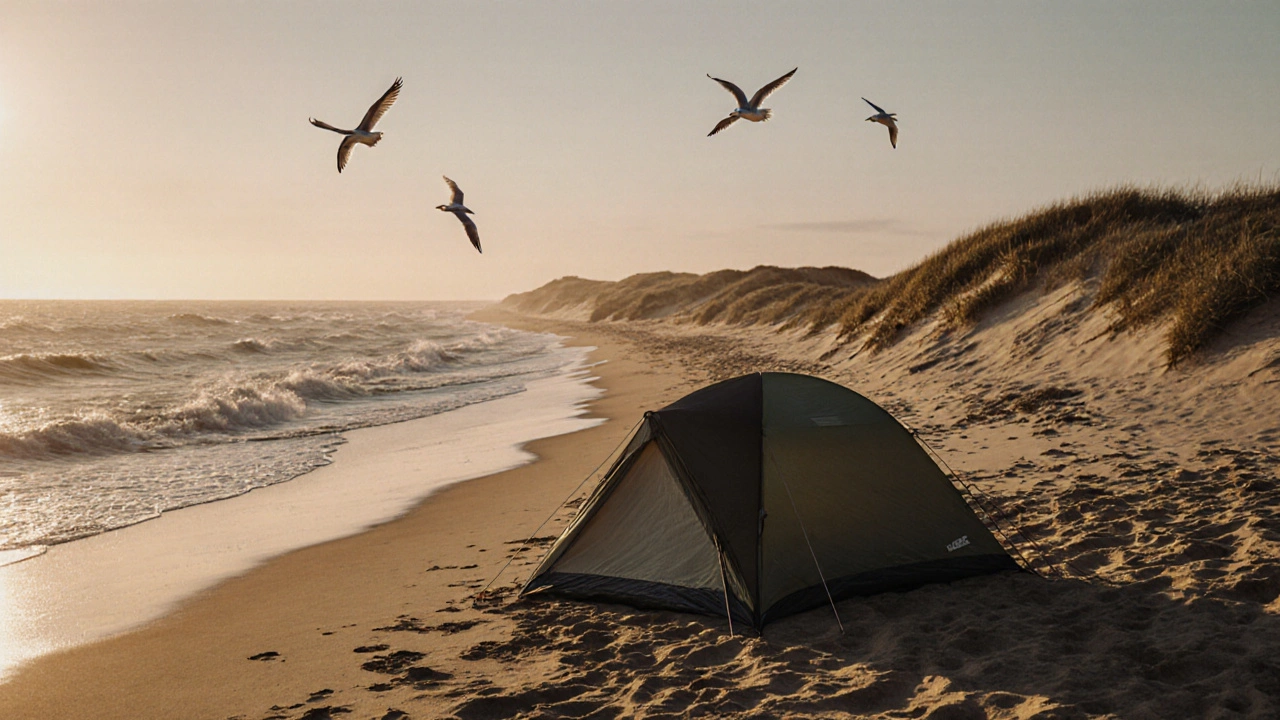
Is It Illegal to Camp on the Beach in England? The Real Rules
Nov, 16 2025|0 CommentsCamping on beaches in England isn't automatically illegal-but it's rarely allowed without permission. Learn where you can camp legally, what happens if you get caught, and safer alternatives for beachside nights.