Is It Illegal to Camp on the Beach in England? The Real Rules
 Nov, 16 2025
Beach Camping Legality Checker
Wondering if you can legally camp on a specific beach in England? Enter the beach name or location below to see if it's permitted.
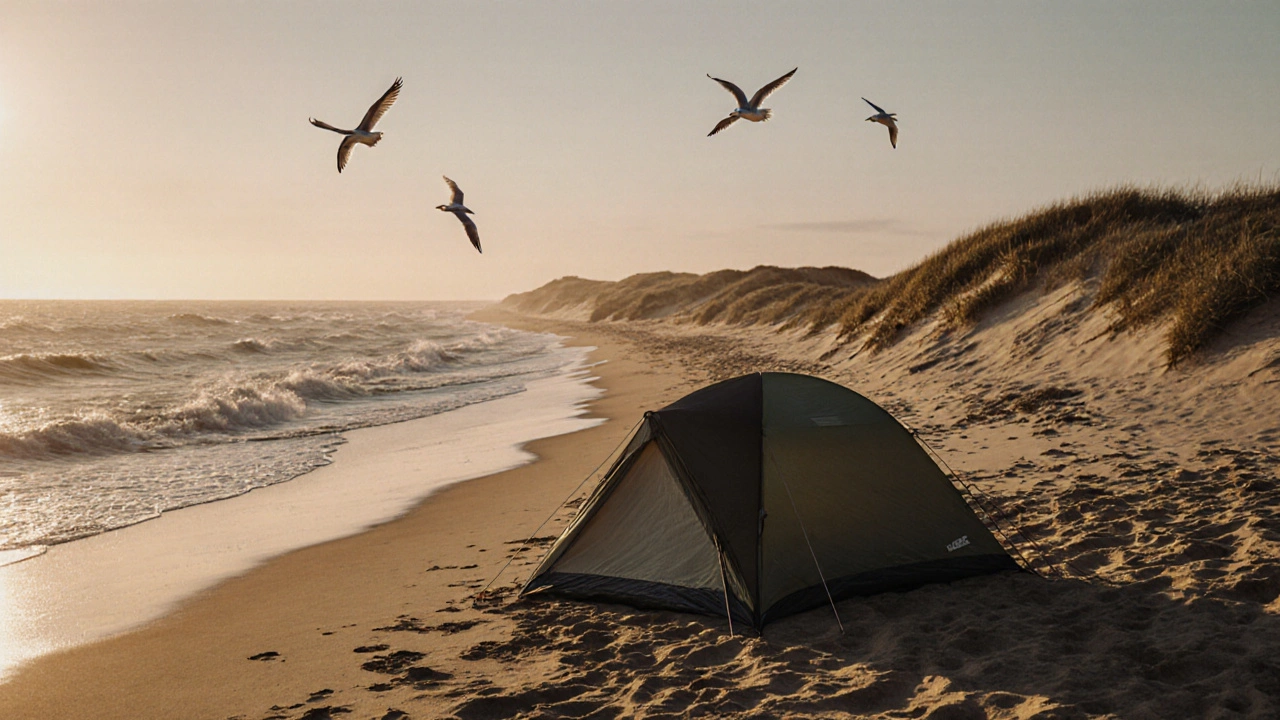
People love the idea of sleeping under the stars with the sound of waves nearby. But if you’ve ever packed a tent and headed for the English coast, you’ve probably wondered: is it illegal to camp on the beach in England? The answer isn’t simple. It’s not a flat yes or no-it depends on where you are, who owns the land, and whether you’ve asked permission.
Most Beaches in England Are Private Land
You might think the beach is public because everyone walks on it. But legally, the sand between the high and low tide marks is often owned by the Crown, local councils, or private landowners. The area above the high tide line? That’s almost always private property. Even if you see other people camping, that doesn’t mean it’s legal. In places like Cornwall, Devon, or the Jurassic Coast, landowners don’t allow overnight stays without permission.
There’s no universal right to camp on beaches in England. Unlike Scotland, where the Land Reform Act gives you freedom to camp responsibly in most rural areas, England has no such law. You can walk along the coast on public footpaths, but setting up a tent? That’s a different story.
Where You Can Legally Camp on the Beach
There are exceptions. Some beaches allow camping-but only if it’s officially permitted. Look for:
- Designated wild camping spots run by local councils or charities
- Private campsites that sit right on the shoreline
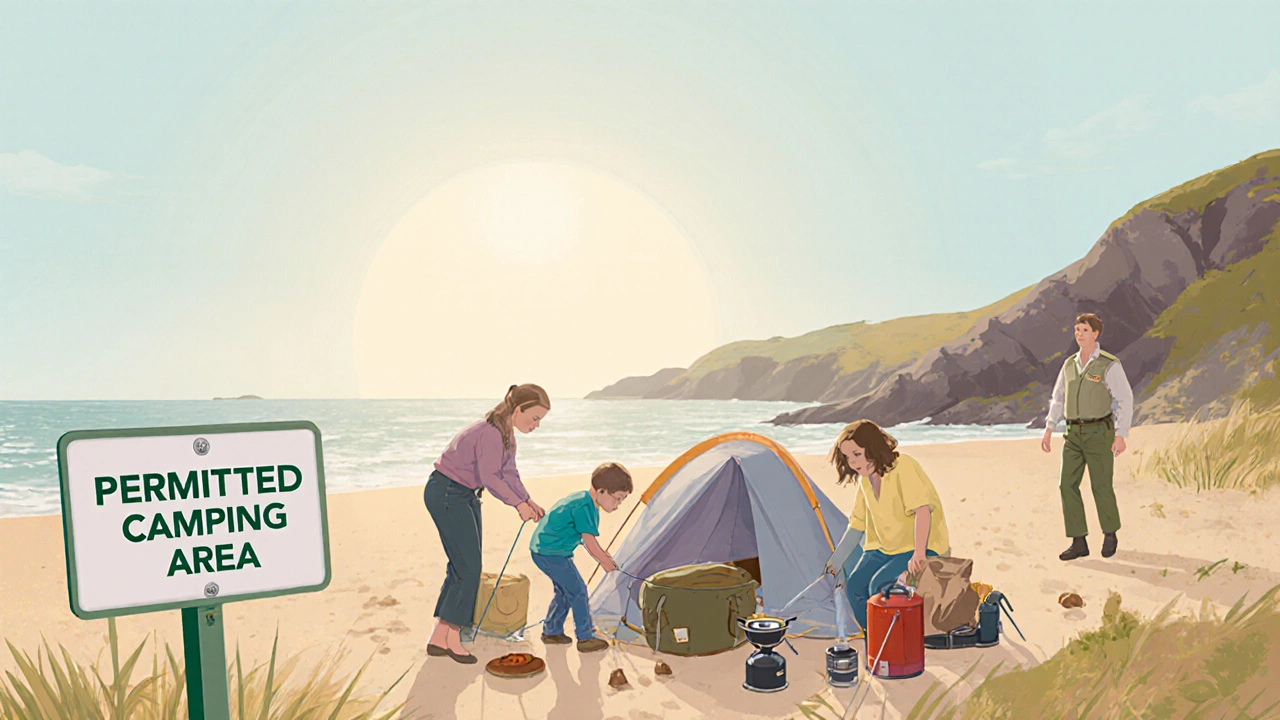
- Beaches managed by the National Trust or Forestry Commission with clear signage
For example, the National Trust allows camping on a few coastal sites like Lulworth Cove in Dorset, but only if you book in advance. You can’t just roll up with your tent and call it a night. Other places, like parts of the Northumberland coast, have informal but tolerated wild camping areas-but they’re not legal by default. You’re relying on the goodwill of landowners and low visitor numbers.
What Happens If You Get Caught?
If you camp without permission, you’re trespassing. That’s a civil offense, not a criminal one. So the police won’t arrest you. But the landowner can ask you to leave. If you refuse, they can call the police for assistance under the Criminal Justice and Public Order Act 1994, which allows removal of trespassers if they’re causing damage or disruption.
Most landowners won’t call the cops for a single tent. But if you leave trash, start fires, block access, or camp in large groups, you’re more likely to get reported. In protected areas like Sites of Special Scientific Interest (SSSIs), you could face fines for damaging habitats. Rangers in places like the New Forest or the South Downs have been known to issue warnings or even remove tents.
Beach Camping vs. Wild Camping: What’s the Difference?
People often mix up beach camping with wild camping. Wild camping means setting up camp outside of designated sites-usually in forests, moors, or mountains. In England, wild camping is mostly illegal unless on private land with permission. Beach camping is the same rule: no permission, no camping.
The key difference? Beaches are more crowded, more monitored, and more sensitive ecologically. Sand dunes, nesting birds, and tidal ecosystems are easily damaged. Many beaches are protected under the Wildlife and Countryside Act 1981. Camping in these areas-even without a fire or tent-can disturb protected species like little terns or sand lizards.
How to Camp on the Beach the Right Way
You don’t have to give up beach camping. You just need to do it legally.
- Use a licensed campsite with beach access. Sites like Seaham Hall Caravan Park in County Durham or Beach View Caravan Park in North Yorkshire let you sleep near the shore legally.
- Check the website of the local council or National Trust for permitted areas.
- Ask the landowner. If you find a quiet stretch of beach, find out who owns it. A quick call or email asking permission can go a long way.
- Leave no trace. Pack out everything. Don’t dig trenches or build fires. Use a portable stove.
- Go off-season. Fewer people mean less chance of complaints-and more tolerance from locals.
Some campers use the “stealth camping” method: arrive late, leave early, camp in small groups, and avoid drawing attention. But that’s risky. If you’re seen, you’re still trespassing. It’s not a legal loophole-it’s a gamble.
What About the Right to Roam?
You might have heard of the “Right to Roam.” That’s a real law, but it doesn’t cover beaches. The Countryside and Rights of Way Act 2000 gives you access to open countryside like moorland, heath, and mountain areas. Beaches aren’t included. Even if you’re walking the coast path, you can’t stop to camp unless the land is designated as open access.
Some coastal paths are public, but the land behind them isn’t. You can walk from Boscastle to Clovelly in Cornwall, but you can’t pitch a tent on the cliffside grass just because you’re on the footpath.
Alternatives to Beach Camping in England
If you want the beach experience without breaking the law, try these:
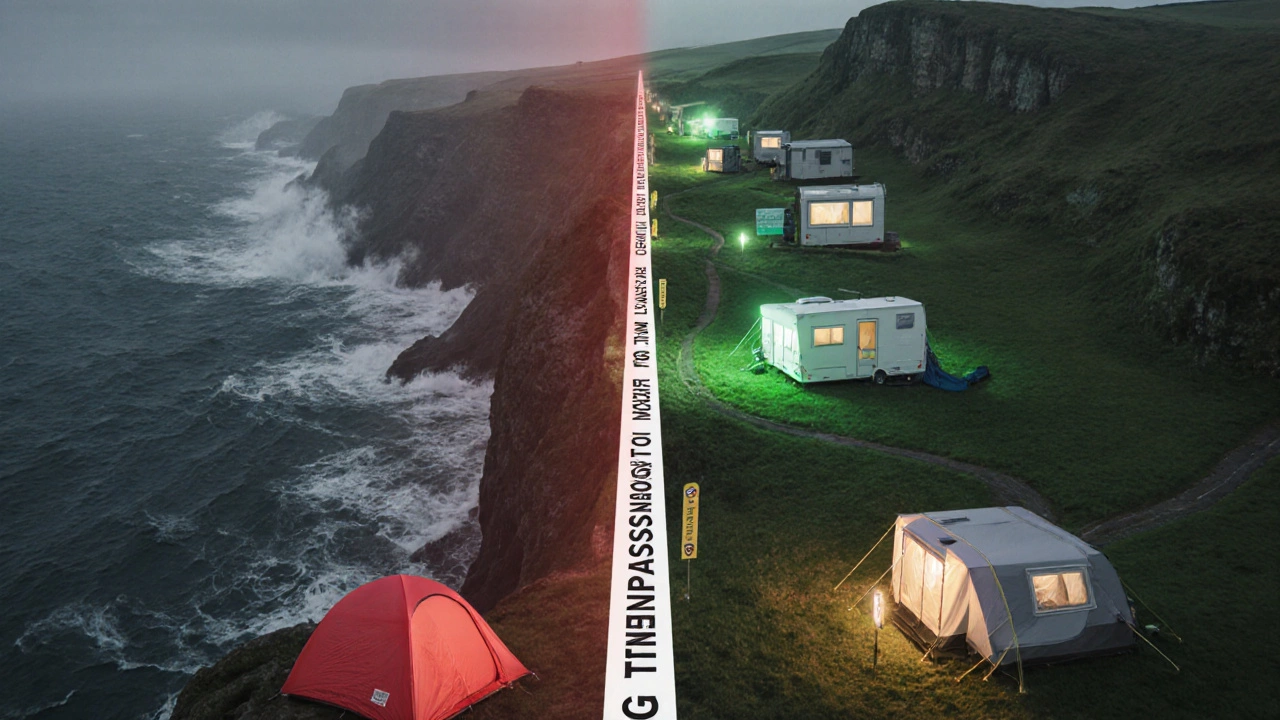
- Stay at a caravan park within 500 meters of the shore
- Book a glamping pod or yurt near the coast
- Use a campsite with a beach shuttle service
- Try a beachside cabin or B&B with a campsite nearby
There are dozens of affordable options. For example, Driftwood Sands in Cornwall offers tent pitches just 200 meters from the beach. You get legal access, showers, and a safe place to leave your gear.
Why the Rules Exist
These restrictions aren’t just about control. Beaches are fragile. Tents damage dunes. Fires scare nesting birds. Litter harms marine life. In 2023, the Marine Conservation Society reported over 1,200 cases of beach pollution linked to unregulated camping. Local councils have spent thousands removing tents, toilets, and trash from protected areas.
Also, many beaches are used for fishing, farming, or military training. Camping in the wrong spot can interfere with those activities. In places like the Solent or the Thames Estuary, you might be camping right next to restricted zones you didn’t even know existed.
Final Rule: When in Doubt, Don’t Camp
If you’re not sure if you can camp on a beach, assume you can’t. Look for official signs. Check the local council’s website. Call a nearby campsite and ask. Most will tell you exactly where you can go.
There’s no shame in planning ahead. The best beach camping experiences aren’t the ones where you sneak in under cover of night. They’re the ones where you wake up to sunrise over the water, knowing you did it right.
Can you sleep on the beach in England if you don’t use a tent?
No. Sleeping on the beach without permission is still trespassing, even if you’re just lying on a blanket. The law doesn’t distinguish between tents, sleeping bags, or hammocks. If the land isn’t open for public camping, you’re breaking the rules regardless of what gear you use.
Is wild camping allowed on any beaches in England?
No. Wild camping isn’t legally permitted on any beaches in England. Even remote spots like the Lizard Peninsula or the Farne Islands require landowner permission. What some people call "wild camping" is usually tolerated informal camping, not legal access.
Can you camp on the beach in the National Trust areas?
Only at specific sites that allow it-and only if you book in advance. National Trust beaches like Lulworth Cove or Studland Bay have designated camping areas. You can’t just turn up. Always check their website for current rules before you go.
Are fires allowed on beaches in England?
Almost never. Open fires are banned on most beaches due to fire risk and environmental damage. Even in areas where camping is allowed, you’re usually required to use a portable stove. Check local bylaws-some councils issue fines up to £500 for beach fires.
What’s the difference between beach camping in England and Scotland?
Scotland has the Right to Roam under the Land Reform Act, which allows responsible wild camping on most land, including some beaches. England has no such right. Even if a beach looks empty and untouched, it’s still private land in England. What’s legal in the Highlands is illegal on the south coast.