Wild Camping Florida: What You Need to Know Before You Go
When people talk about wild camping Florida, the practice of camping outside designated campgrounds without fees or services. Also known as boondocking Florida, it’s a tempting way to save money and get closer to nature—but it’s not as free as it sounds. Unlike in Scotland or parts of the UK, Florida doesn’t have a tradition of open access to public land for camping. Most state forests, wildlife management areas, and beaches are off-limits unless you’re at a registered site. Even if you’re just sleeping in your RV overnight, you could be breaking the law—and getting fined.
The biggest misconception? That if you’re not on private property, you’re fine. That’s not true. Florida’s Department of Environmental Protection and Fish and Wildlife Conservation Commission strictly control where you can stay overnight. Florida state parks, officially managed campgrounds with amenities like restrooms, water, and trash pickup are your safest bet. But they fill up fast, especially in winter when snowbirds flock south. If you’re trying to avoid them, you’ll need to know where boondocking Florida, free, unsupervised overnight parking for RVs is quietly tolerated. Some Walmart parking lots allow it, but only if you’re quiet, don’t stay too long, and don’t trash the place. Same goes for rest areas—some let you stay a few hours, but not overnight. And don’t even think about pulling into a beachside dune or a state forest trailhead. Rangers patrol these areas, and cameras are common.
What makes Florida different isn’t just the rules—it’s the risks. Mosquitoes here aren’t just annoying, they’re dangerous. Dengue, Zika, and West Nile virus are real threats. Alligators aren’t just in the swamps—they’re in drainage ditches, golf course ponds, and even backyard pools. And during hurricane season, a sudden storm can turn a quiet roadside stop into a life-threatening situation. You can’t just wing it. You need a plan: where you’ll go, how long you’ll stay, and what you’ll do if the weather turns.
That’s why the posts below aren’t just about where to camp. They’re about survival, legality, and smart choices. You’ll find real stories from people who’ve been asked to leave Walmart parking lots, fined for sleeping on public land, and found hidden gems that actually work. You’ll learn what’s allowed, what’s not, and how to avoid the traps most first-timers walk right into. No fluff. No guesswork. Just what you need to know before you hit the road in Florida.
-
 VIEW POST
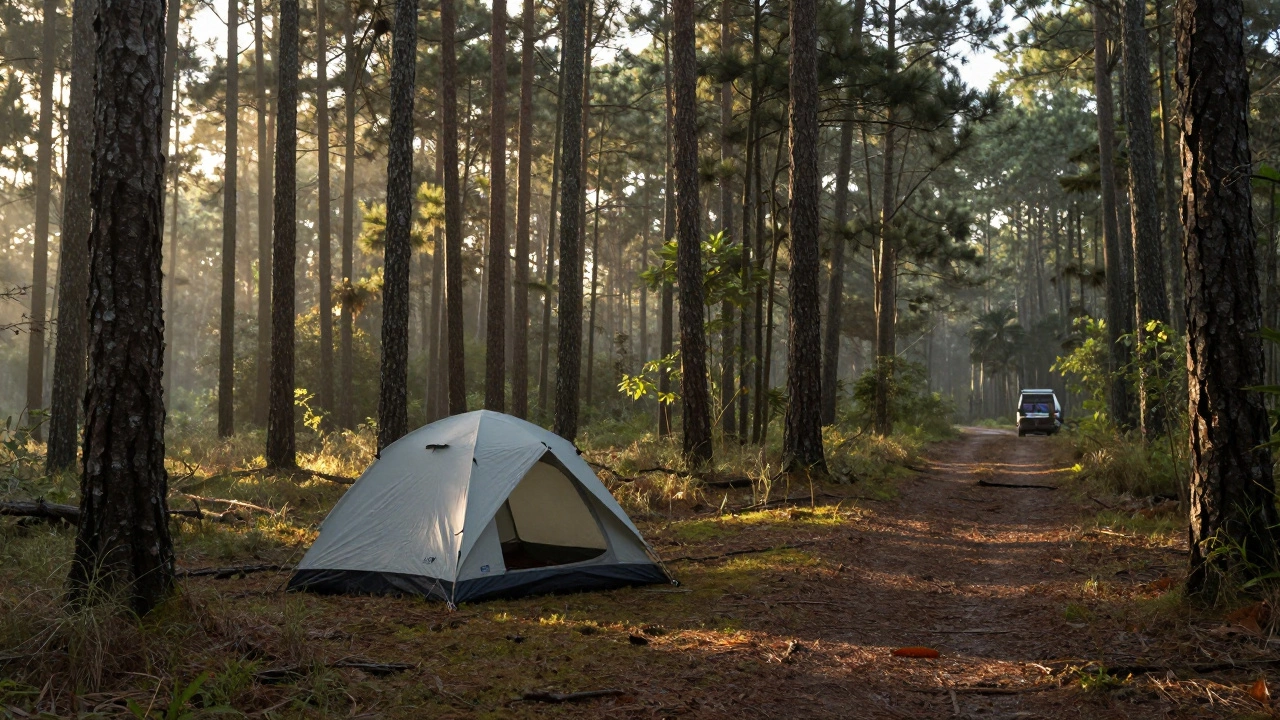
Is It Legal to Camp in the Woods in Florida? Here's What You Need to Know
Dec, 1 2025|0 CommentsIs it legal to camp in the woods in Florida? The answer isn't yes or no-it depends on where you are. Learn where you can camp legally, where you can't, and how to avoid fines while enjoying Florida's forests. -
 VIEW POST
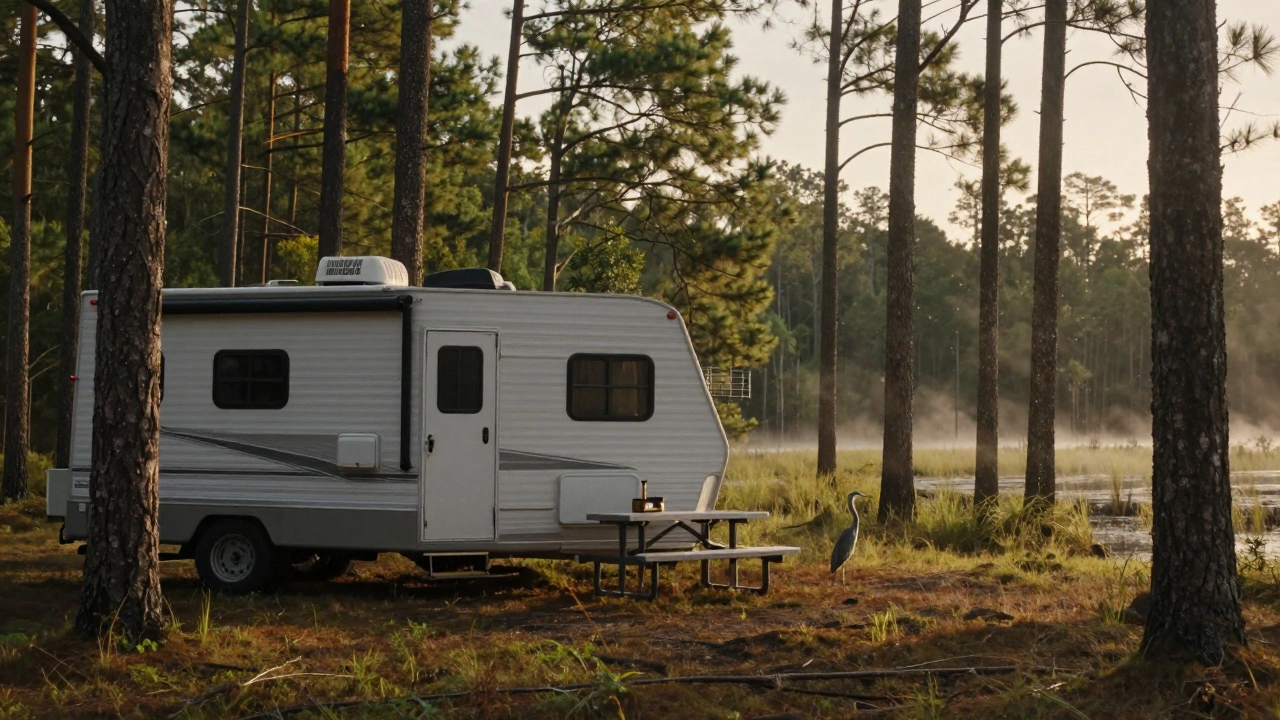
Can I Boondock in Florida? Your Complete Guide to Free Camping in the Wild
Dec, 1 2025|0 CommentsLearn where, when, and how to boondock legally in Florida. Discover free camping spots in national forests, rules to avoid fines, weather dangers, and essential gear for safe wild camping.