Is It Legal to Camp in the Woods in Florida? Here's What You Need to Know
 Dec, 1 2025
Florida Camping Legality Checker
Check Your Camping Legality
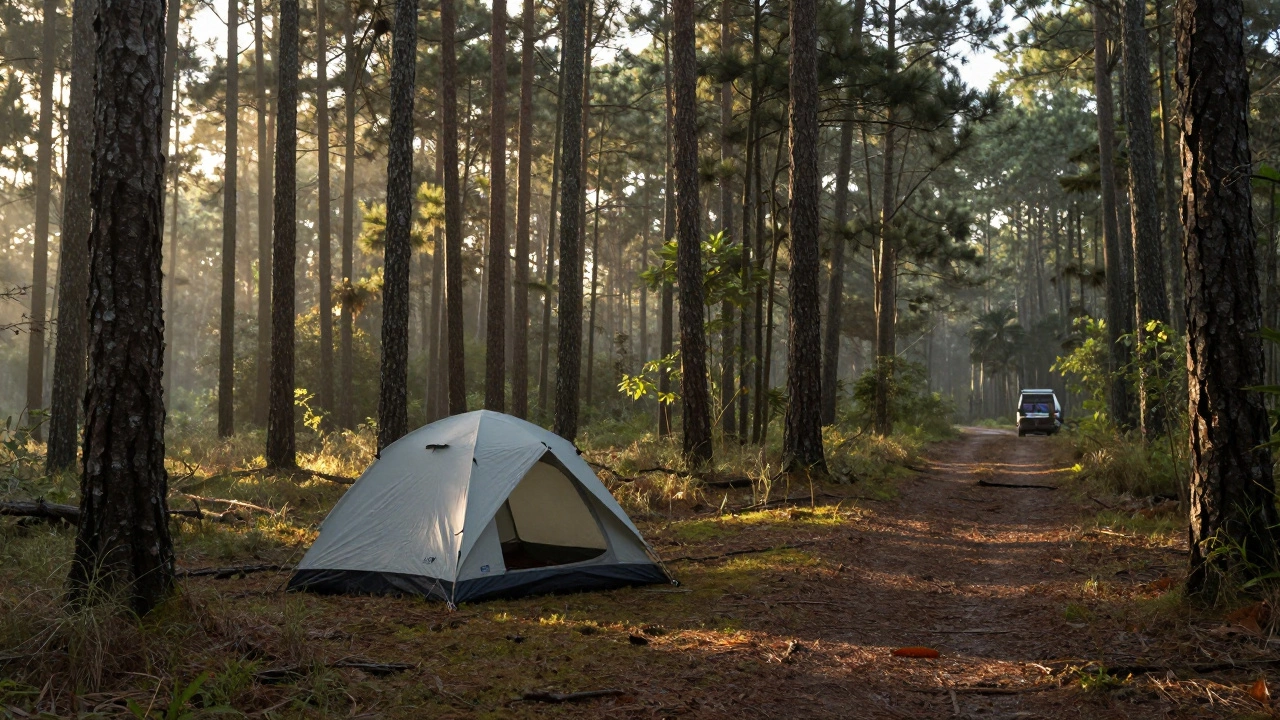
You’ve got a tent, a sleeping bag, and a craving for quiet. The Florida woods look perfect-pine trees, quiet trails, maybe even a glimpse of a deer at dawn. But before you pitch your tent under those pines, you need to know: is it legal to camp in the woods in Florida? The short answer? Sometimes. But it’s not as simple as finding a patch of dirt and calling it yours.
Florida Doesn’t Allow Random Wild Camping
Unlike parts of the U.S. like the Appalachian Trail or national forests in the West, Florida doesn’t have a blanket right to camp anywhere in the woods. You can’t just pull off the road, walk into the forest, and set up camp. Most state and federal lands in Florida require permits, reservations, or are outright off-limits for overnight stays.The Florida Department of Environmental Protection and the U.S. Forest Service manage the majority of public forest land. These agencies don’t allow dispersed camping-meaning no random tent spots-on most state forests, wildlife management areas, or national forests unless specifically marked.
For example, the Ocala National Forest, one of the largest in the state, only allows camping in designated campgrounds. You can’t just camp near Lake George or along the Silver River just because it looks peaceful. Rangers patrol these areas, and fines for illegal camping can hit $500 or more.
Where You CAN Camp Legally in Florida’s Woods
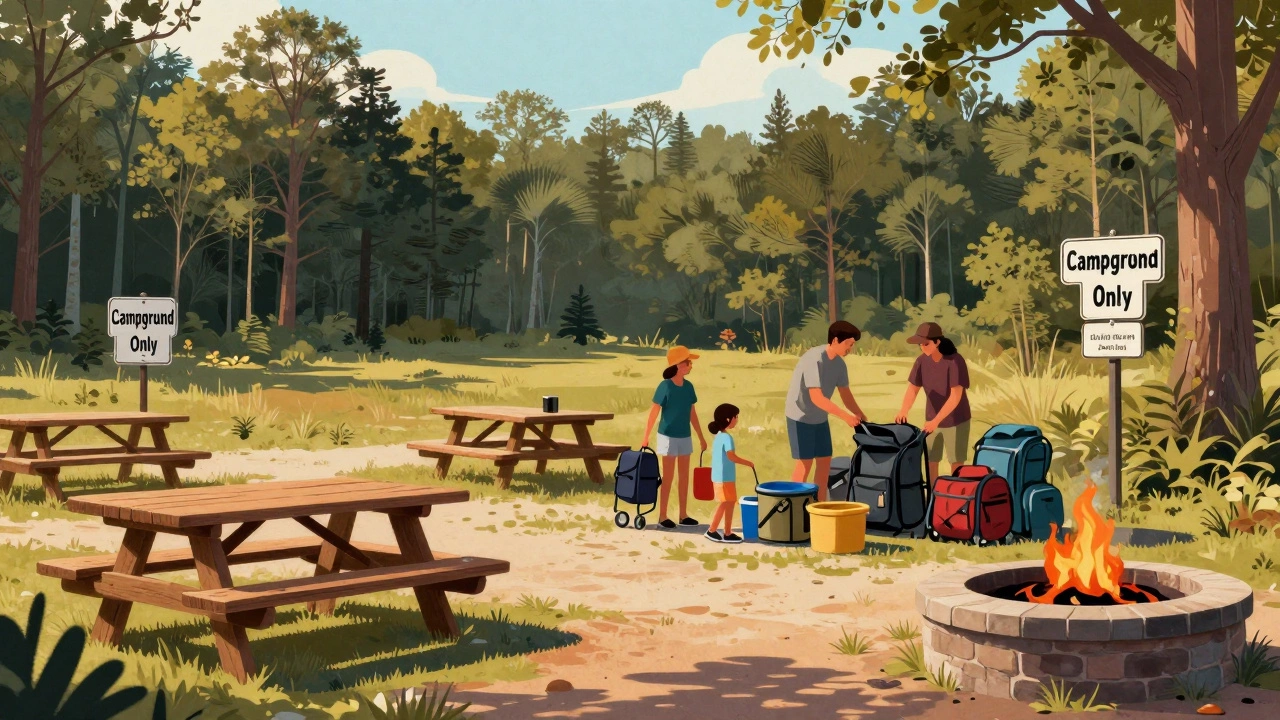
There are legal ways to camp in Florida’s forests. You just need to know where to look.- State Forests with Campgrounds: Ocala, Apalachicola, and Osceola National Forests all have official campgrounds. These range from basic sites with picnic tables to spots with hookups. Reservations are required and can be made through Florida State Parks or USDA Forest Service websites.
- State Parks: Florida has over 175 state parks. Many sit inside or next to forested areas. Paynes Prairie, Torreya, and Jonathan Dickinson are great examples. These parks often have trails that lead into wilder zones, but you must stay in the designated camping areas.
- Dispersed Camping Zones: A few areas, like parts of the Apalachicola National Forest, allow dispersed camping-but only in specific zones marked by signs. You must be at least 150 feet from roads, trails, and water sources. No fires allowed in dry season. No dumping waste. No staying more than 14 days in one spot.
Some of these spots are first-come, first-served. Others require booking months ahead, especially in spring and fall. Don’t assume you’ll find an open spot just because you showed up.
What Happens If You Get Caught Camping Illegally?
Florida takes trespassing and illegal camping seriously. If you’re caught setting up camp where it’s not allowed, you could face:- Fines between $100 and $500
- Confiscation of gear (tents, coolers, stoves)
- Being escorted off the property by rangers or law enforcement
- Being banned from state lands for up to a year
It’s not just about breaking rules-it’s about safety and conservation. Florida’s forests are home to endangered species like the Florida black bear and gopher tortoise. Unregulated camping leads to soil erosion, trash buildup, and wildlife disturbance. Rangers aren’t out to ruin your trip-they’re trying to protect it.
Private Land Is Your Best Bet for True Wild Camping
If you’re looking for the real backcountry experience-no crowds, no signs, just trees and silence-your best option is private land. But you need permission.Many landowners in rural Florida rent out small plots for camping. Websites like Hipcamp and Harvest Hosts list private properties where you can legally camp for a fee. Some farmers let campers stay for a few dollars a night. You might find a spot near Lake Okeechobee or in the panhandle with direct access to forest trails.
Always ask before you go. A simple text or call to the property owner goes a long way. Never assume a dirt road leading into the woods means it’s open for camping. That land could be privately owned, even if it looks wild.
Rules That Apply Everywhere
Even in legal camping zones, there are non-negotiable rules:- No open fires during dry season (usually March-May)
- Store food in bear-proof containers or hang it 10 feet off the ground
- Pack out everything you bring in-yes, even banana peels
- No alcohol in state parks
- Quiet hours start at 10 p.m. and end at 6 a.m.
- Maximum stay is usually 14 consecutive days
These aren’t suggestions. They’re enforced. Rangers check sites regularly. If your tent is still there after two weeks, you’ll get a notice. Ignore it, and you’ll be in trouble.
What About Beaches or Coastal Forests?
Florida’s coastline has some of the most beautiful wooded areas-think St. Joseph Peninsula, Gulf Islands National Seashore, or the Everglades fringe. But camping here is even more restricted.Beachfront forests are often protected wildlife corridors. Overnight stays are banned in most of these zones. Even if you see someone camping near the dunes, they’re probably on private property or have a special permit.
The Everglades National Park allows camping only on designated islands via canoe or kayak. You need a backcountry permit, which requires advance planning and a safety briefing. You can’t just hike in and set up.
Alternatives to Wild Camping in Florida
If you want the forest feel without the legal risk, here are better options:- RV Parks in Forests: Many RV parks sit inside or near state forests. They offer full hookups, showers, and fire pits-plus legal peace of mind.
- Glamping Sites: Companies like Under Canvas and Glamping Hub offer canvas tents with real beds and electricity in forested areas. It’s not roughing it, but it’s close.
- Boondocking on Public Land: Some areas allow overnight parking for vehicles. Check with the Florida Fish and Wildlife Conservation Commission for approved pull-offs. You can sleep in your car or van, but no tents allowed.
Final Tip: Always Check Before You Go
Before you head out, visit the official website for the area you want to camp in. Search for:- "[Forest Name] camping rules"
- "[Park Name] overnight stays"
- "[Area] dispersed camping"
Call the ranger station if you’re unsure. Most have answering machines or email contacts. A quick 10-minute call can save you a $500 fine and a ruined trip.
Florida’s woods are beautiful. But they’re not free for the taking. Respect the rules, plan ahead, and you’ll get the quiet, wild experience you’re looking for-without the risk.
Can I camp anywhere in the Florida National Forests?
No. You can only camp in designated campgrounds or in specific dispersed camping zones marked by signs. Most areas require reservations. Random tent pitching is illegal and can result in fines.
Is it legal to sleep in my car in the woods in Florida?
Only in designated parking areas approved for overnight vehicle stays. You cannot park on forest roads or trails to sleep. Many state forests prohibit overnight parking unless it’s in a registered campground. Check with the local ranger station before you go.
Can I camp on private land in Florida without permission?
No. Trespassing on private land, even if it looks unused or wild, is illegal. Always get written or verbal permission from the landowner. Many rural landowners offer affordable camping spots-just ask.
Are there free camping spots in Florida?
True free camping is rare. Some state forests offer very low-cost sites ($10-$20/night), but they’re not free. There are no legal, truly free dispersed camping areas in Florida like you’d find in Nevada or Oregon. If someone claims there is, they’re likely mistaken or breaking the law.
What’s the penalty for illegal camping in Florida?
Fines range from $100 to $500, depending on the location and severity. Gear can be confiscated, and repeat offenders can be banned from state lands. Rangers use patrols, cameras, and reports from other visitors to catch violators.
If you’re planning a trip, start by checking the Florida State Parks website or the USDA Forest Service site for the area you’re interested in. Book early, follow the rules, and leave no trace. The woods will thank you-and so will you when you wake up to silence, not a ticket.