Wild Camping England: Where It’s Legal, Safe, and Worth It
When you think of wild camping England, the practice of setting up camp on public or private land without designated facilities. Also known as dispersed camping UK, it’s the raw, unfiltered version of outdoor travel—no hookups, no fees, just you and the landscape. But here’s the catch: most of it is illegal. Not because the government hates nature lovers, but because land ownership in England is tightly controlled. Unlike Scotland, where wild camping is a protected right, England treats most off-grid sleeping as trespassing—unless you’re in one of the few places where it’s quietly tolerated.
That doesn’t mean you can’t do it. It just means you need to know where. wild camping laws, the legal framework governing overnight stays on non-campsite land in England are confusing because they’re not written in one place. They’re scattered across bylaws, common law, and local enforcement habits. You can camp legally on some stretches of the Lake District fells, parts of Dartmoor, and a few remote areas in the Peak District—but only if you follow unspoken rules: leave no trace, stay one night, avoid livestock areas, and never light a fire. England camping restrictions, the local and national limits placed on overnight stays outside official sites are strict, but they’re also unevenly enforced. Many rangers turn a blind eye if you’re quiet, clean, and respectful. Others will fine you £100 or worse—especially near popular trails or private farmland.
What you can’t do is assume it’s okay just because no one told you not to. The law doesn’t care about your intentions. If you’re caught on private land without permission, you’re breaking the law—even if you’re miles from the nearest house. That’s why knowing the difference between legal camping England, overnight stays permitted under specific conditions or in designated zones and illegal camping matters more than ever. The good news? There are dozens of spots where wild camping is tolerated, even encouraged, if you do it right. You just need to know where they are.
And that’s what this collection is for. Below, you’ll find real, practical advice from people who’ve done it—where they camped, what they got away with, what got them in trouble, and how they stayed safe. You’ll learn how to avoid fines, what gear makes a difference, and why some areas are safer than others. You’ll also see why some popular spots like beaches or forests are off-limits, and what alternatives exist when the law says no. This isn’t about pushing boundaries. It’s about knowing them so you can enjoy the wild without risking your trip—or your wallet.
-
 VIEW POST
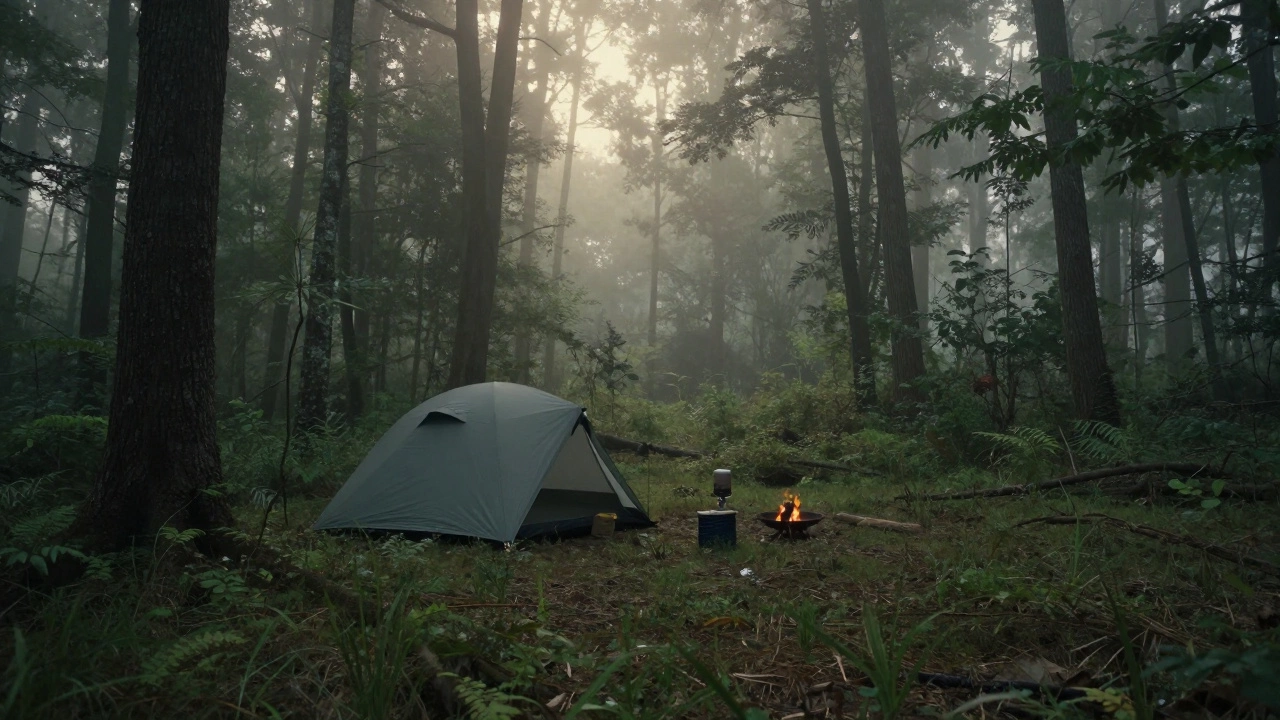
Can You Camp in Forests in England? The Real Rules for Wild Camping
Mar, 23 2026|0 CommentsCan you camp in forests in England? The rules aren't clear-cut. While wild camping isn't legal everywhere, there are safe, legal ways to camp in wooded areas-if you know where to look and how to do it right. -
 VIEW POST
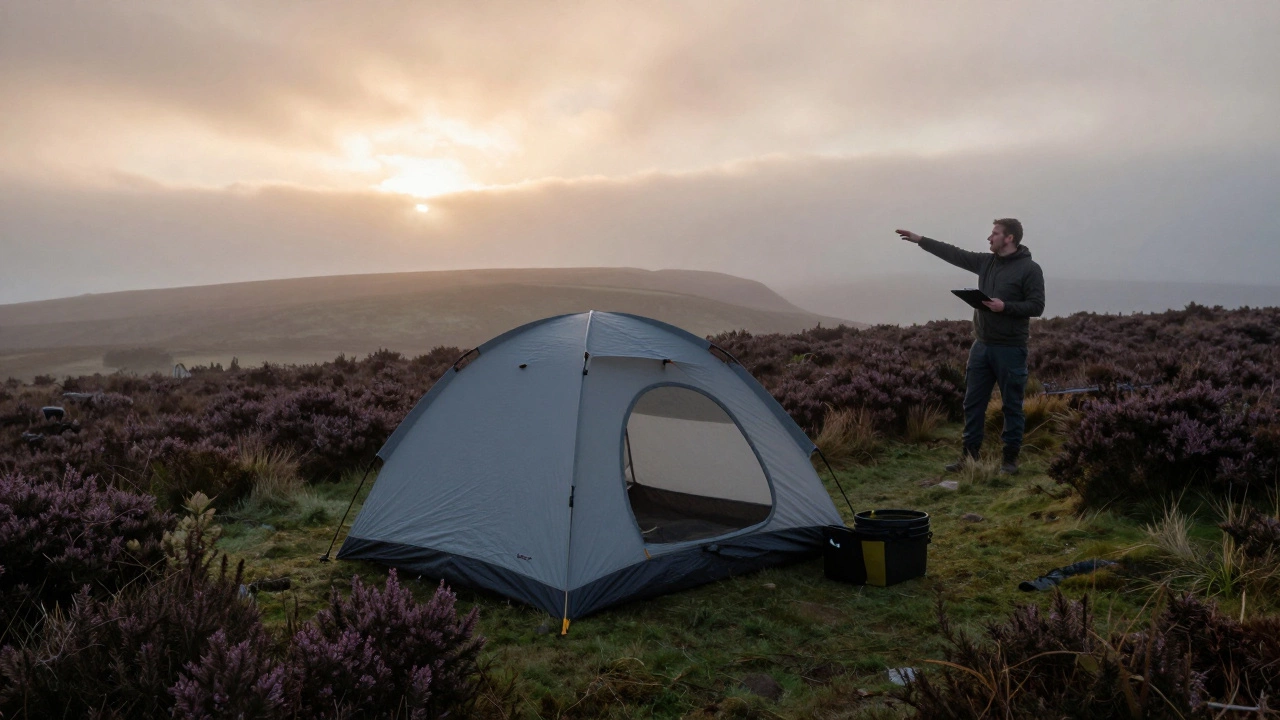
What Happens If You Get Caught Wild Camping in England?
Dec, 22 2025|0 CommentsWild camping in England isn't illegal everywhere, but without permission, you're trespassing. Learn what happens if you're caught, where it's tolerated, and how to camp legally without fines or conflict. -
 VIEW POST
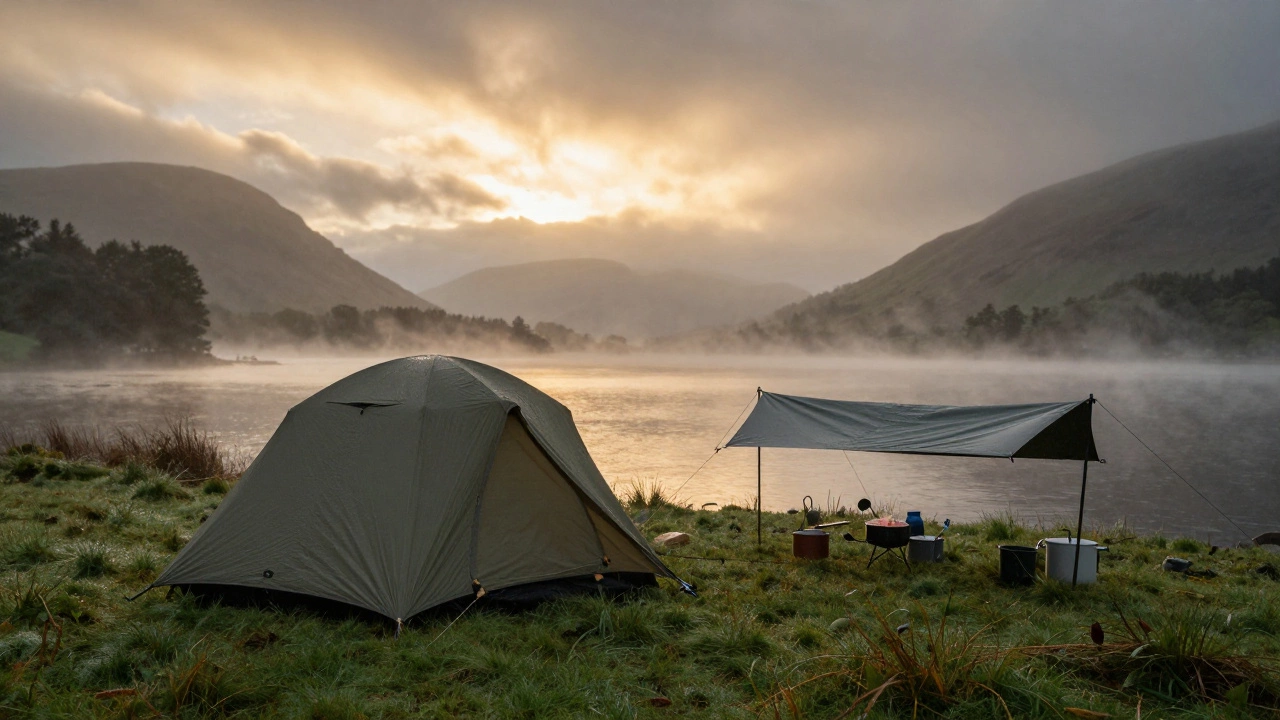
Is England Good for Camping? Real Talk on Sites, Weather, and Rules
Dec, 4 2025|0 CommentsEngland offers surprisingly good camping with diverse sites, from wild spots in Dartmoor to family-friendly parks. Know the rules, pack for rain, and you'll find quiet beauty in its landscapes.