Is England Good for Camping? Real Talk on Sites, Weather, and Rules
 Dec, 4 2025
England Camping Cost Calculator
How much will your England camping trip cost?
Calculate estimated costs based on your preferences
Estimated Cost
Season adjustment: £0.00
Membership discount: -£0.00
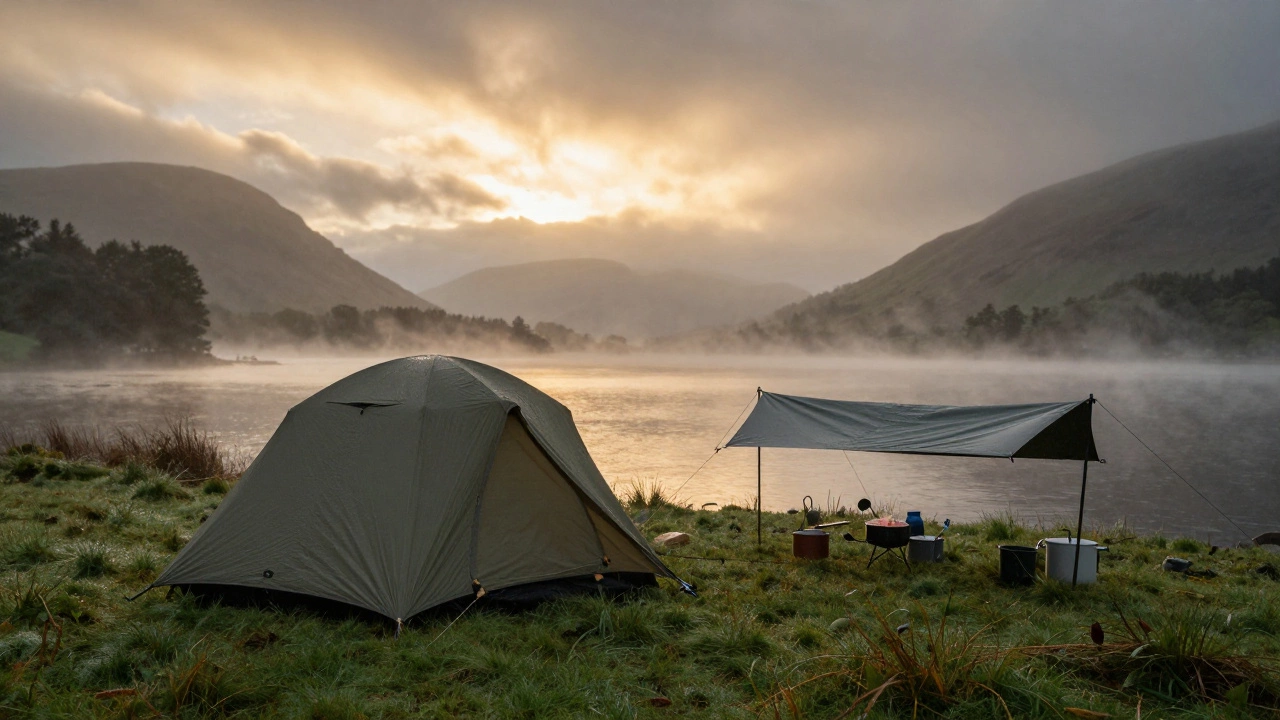
England isn’t the first place you think of for camping if you’ve ever seen its weather forecasts. But if you’ve ever pitched a tent under a clear sky in the Lake District at dusk, or woken up to birdsong in the South Downs, you know it’s got something special. The truth? England is surprisingly good for camping-if you know where to go and what to expect.
Weather: Don’t Pack for Summer, Pack for Everything
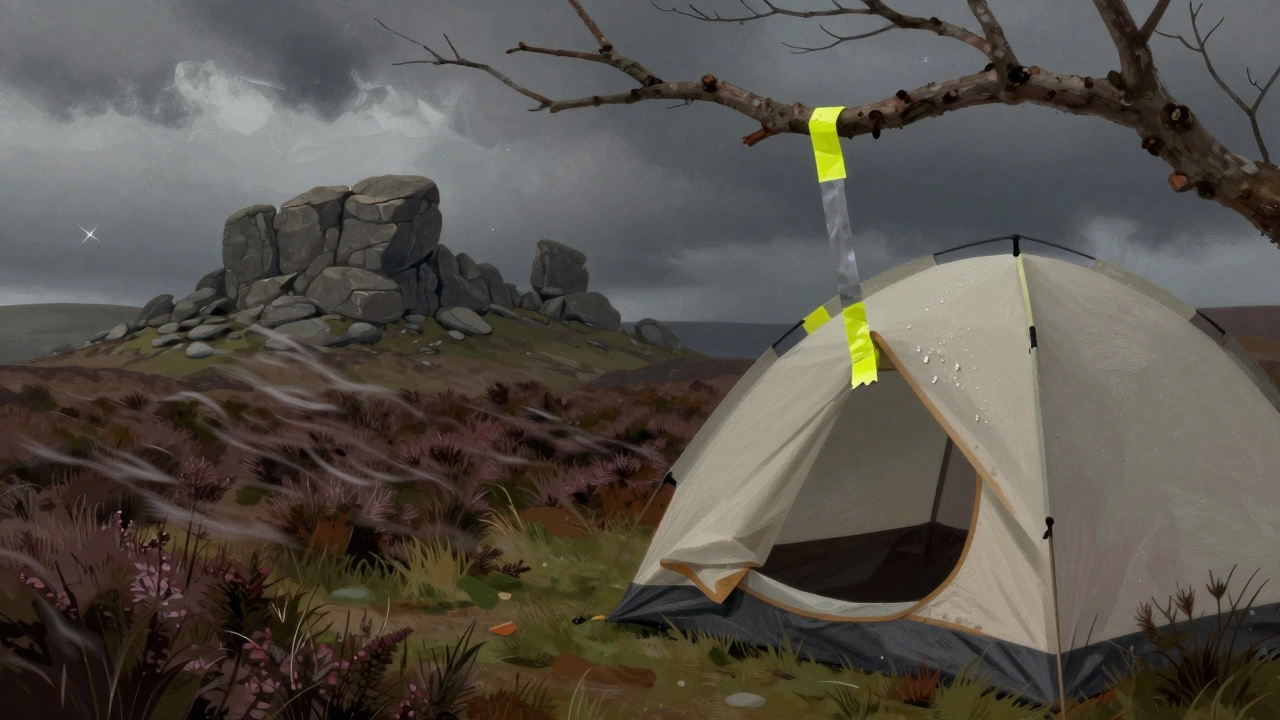
People talk about England’s rain like it’s a myth. It’s not. You’ll get sun, you’ll get wind, and you’ll get rain-all in the same day. July and August are your safest bets, with average highs around 21°C. But even then, a sudden downpour can turn a dry field into a mud pit by evening. Don’t assume you’re getting a beach holiday. Pack waterproofs, quick-dry gear, and a tarp. One camper in Dartmoor last year told me he lost two tents to overnight storms. The third one? He used duct tape and a tree branch. He’s still camping there every August.
Where to Camp: Not All Sites Are Created Equal
England has over 2,000 official campsites. Most are run by the Camping and Caravanning Club or the Caravan Club. These sites have toilets, showers, and sometimes even laundry. They’re family-friendly, quiet, and safe. But they’re not cheap. Expect to pay £20-£35 a night for a basic pitch in peak season.
For better value, look at smaller, independent sites. Places like YHA a network of hostels and campsites across England, often in scenic or historic locations or Farmstay UK a collection of working farms that open their land to campers offer cheaper rates and real character. One farm near the Cotswolds lets you sleep next to alpacas. Yes, really.
Then there’s wild camping. Legally, it’s mostly not allowed in England-unlike in Scotland. But there are loopholes. The Lake District, Dartmoor, and parts of the Peak District have tolerated wild camping for decades, as long as you’re discreet, leave no trace, and don’t stay more than one night. The Dartmoor Commons Act 1985 gives walkers limited rights to camp, but you still need to avoid private land, livestock areas, and protected sites. Get it wrong, and you’ll be asked to leave. Get it right, and you’ll have a sky full of stars with no one else in sight.
Wild Camping: The Gray Area
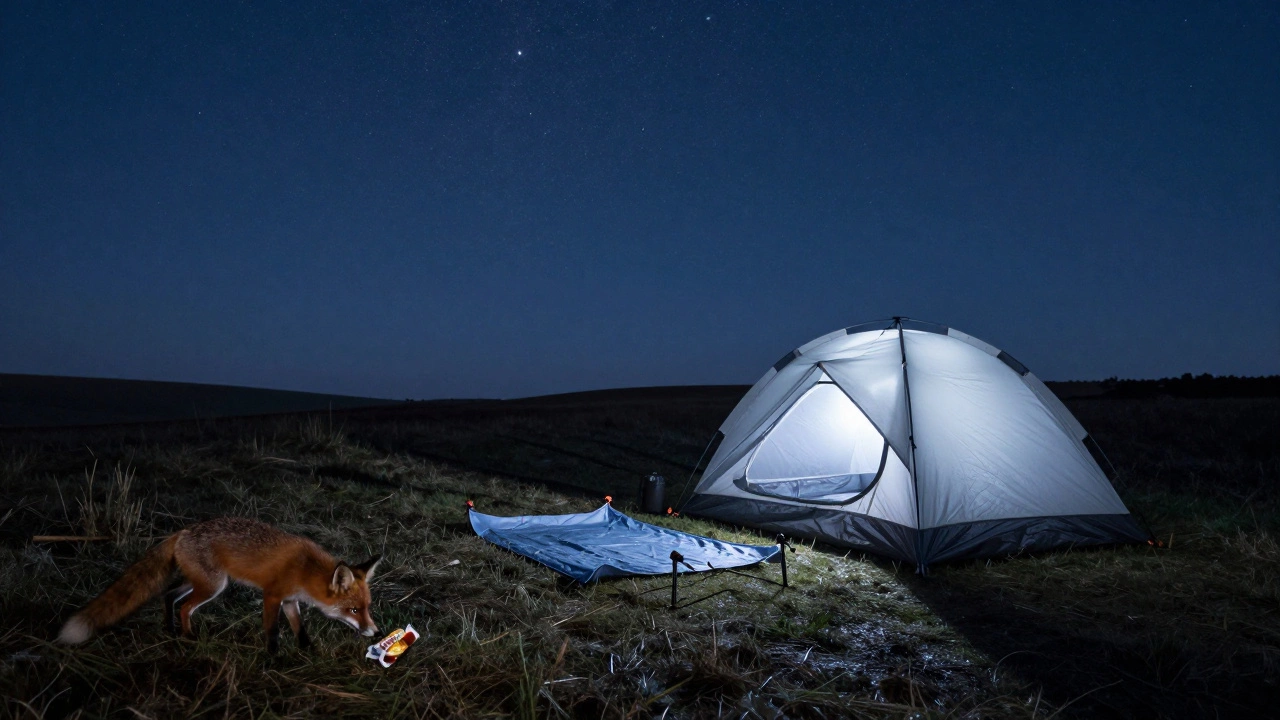
Let’s be clear: wild camping isn’t a right in England. It’s a privilege you earn by being responsible. No fires. No litter. No loud music. No dogs off-leash near sheep. The National Park authorities don’t patrol every inch of land, but they do respond to complaints. Last year, 17 people were fined in the Lake District for leaving food out-bears don’t live here, but foxes do, and they’ll tear your tent apart for a snack.
Some groups, like the Wilderness England a community of outdoor enthusiasts advocating for responsible access to natural spaces, are pushing for legal reform. They’ve mapped out 12 areas where wild camping is commonly accepted. Their map isn’t official, but it’s the best guide you’ll find. Download it. Print it. Stick it in your pack.
Facilities: What You’ll Actually Get
Don’t expect luxury unless you’re paying for it. Most campsites have shared toilets and cold showers. Hot water? Sometimes. Heated showers? Rare. One site in the New Forest charges £5 for a 5-minute hot shower. It’s worth it after a rainy hike. Some newer sites, like The Glamping Hub a platform connecting campers with upgraded outdoor stays, from yurts to treehouses, offer proper bathrooms and even Wi-Fi. But they’re not cheap. If you’re camping with kids, look for sites with play areas. If you’re camping solo, look for quiet zones. Most sites let you choose.
Costs: How Much Does It Really Cost?
A basic tent pitch in summer: £25. A family pitch with electric hook-up: £40. A glamping pod: £80. A weekend at a popular site like Butlins a chain of holiday resorts in England with camping and caravan options during school holidays? £120. Book early. Sites fill up months ahead, especially near the coast or national parks. The cheapest option? Camping and Caravanning Club a UK membership organization offering access to over 2,000 campsites members get discounts and free nights. Membership is £45 a year. If you camp three times a year, it pays for itself.
Best Regions for Camping in England
- Lake District: Rugged, wet, beautiful. Best for hikers. Book early-sites sell out by March.
- Dartmoor: Wild camping is tolerated here. Stone circles, granite tors, and zero streetlights. Perfect for stargazing.
- South Downs: Gentle hills, sheep, and coastal views. Great for families. Lots of quiet, low-key sites.
- North York Moors: Less crowded than the Lake District. Forest trails and cozy pubs nearby.
- Devon and Cornwall: Beach campsites galore. But summer means crowds. Go in May or September.
What to Bring That You Forgot Last Time
Here’s what most first-timers miss:
- Groundsheet under your tent-even if it’s dry now, dew rolls in fast.
- Extra pegs. Wind snaps cheap ones like twigs.
- A portable power bank. Phones die fast when you’re off-grid.
- Hand sanitizer. Showers aren’t always reliable.
- A small tarp. Use it as a rain cover for your cooking area.
- Snacks you can eat cold. Cooking in the rain is a nightmare.
Is England Worth It?
Yes-if you go in with the right mindset. You won’t get perfect weather. You won’t get luxury without paying. But you’ll get quiet mornings with mist over a lake. You’ll get the smell of woodsmoke from a distant campfire. You’ll get the kind of silence you can’t find in a city. England’s camping scene isn’t flashy. It’s real. And that’s why people keep coming back.
Is wild camping legal in England?
No, wild camping is not legally permitted in most of England. It’s allowed only in a few areas like Dartmoor under specific conditions, and even there, you must follow strict rules: no fires, no litter, no staying more than one night, and no camping on private land or near livestock. In most national parks, you’ll be asked to leave if caught. Always check local bylaws before pitching a tent.
What’s the best time of year to camp in England?
Late May to early September is the best window. June and July offer the most stable weather, with average temperatures between 18°C and 22°C. August is popular but crowded. September is quieter, with fewer bugs and still decent warmth. Avoid October to April unless you’re experienced-rain, wind, and cold make camping uncomfortable and risky.
Are there free campsites in England?
Official free campsites are rare. Some rural parishes allow overnight parking for campervans, but tents are usually not permitted. The closest thing to free camping is wild camping in tolerated areas like Dartmoor or the Lake District, but even then, you’re not supposed to stay more than one night. Don’t expect free showers, toilets, or water. Most free options require self-sufficiency and leave-no-trace ethics.
Can you camp on the beach in England?
Yes, but only at designated beach campsites. You can’t just pitch a tent on any beach. Popular spots include Bournemouth, Cornwall’s Lantic Bay, and the Gower Peninsula. These sites have facilities, rules, and fees. Beach camping is great for sunrise walks and sea breezes-but watch the tides. High tide can flood your site overnight if you’re too close to the waterline.
Do I need a membership to camp in England?
No, you don’t need a membership to camp. But if you plan to camp more than twice a year, joining the Camping and Caravanning Club or the Caravan Club is worth it. Members get discounts on over 2,000 sites, free access to some locations, and access to exclusive guides. Membership costs £45 a year. It pays for itself after three trips.
Final Tip: Start Small
If you’ve never camped in England before, don’t go to Dartmoor on your first trip. Pick a quiet, well-reviewed site in the South Downs or the Cotswolds. Book a weekend in May. Bring a friend. Test your gear. Learn how your tent holds up in wind. See how you feel after a night under the stars. If you love it, go deeper. If you hate it, you’ll know why-and you won’t waste your next holiday.