What Not to Keep in a Tent
When you’re camping, your tent, a portable shelter used for overnight outdoor stays. Also known as a camping shelter, it’s meant to protect you from rain, wind, and bugs—not attract bears, raccoons, or ants. The biggest mistake most campers make isn’t forgetting the flashlight—it’s stuffing the wrong stuff inside. You wouldn’t leave snacks on your kitchen counter with the door open, so why do it in your tent? Food, toothpaste, deodorant, and even dirty clothes can turn your cozy sleep space into a wildlife buffet.
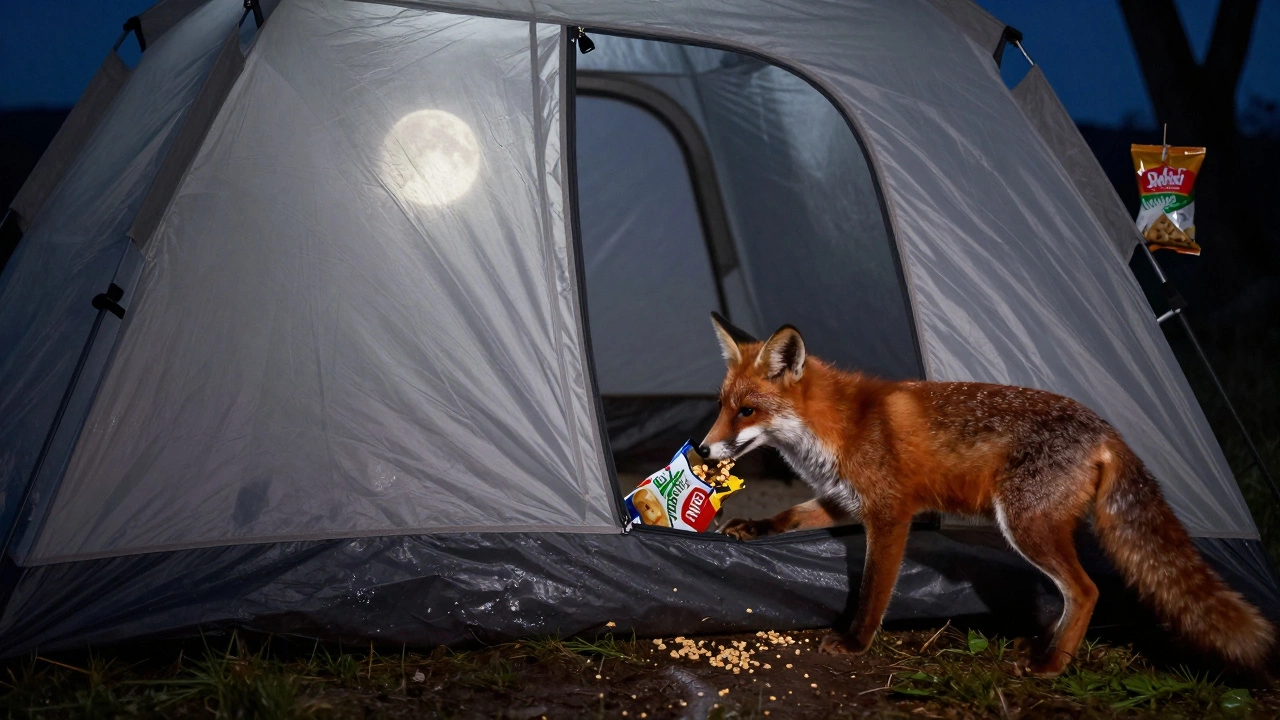
food, anything edible brought into a camping environment. Also known as camping meals, it’s the number one reason animals break into tents. Even a tiny crumb of granola bar or a smear of peanut butter on your hand can lure raccoons or mice through the zipper. In places like Dartmoor or the Lake District, bears aren’t common—but foxes, badgers, and even hungry deer will sniff out anything that smells like dinner. Same goes for toiletries, personal care items like soap, shampoo, and deodorant. Also known as camping hygiene products, they often contain scents that mimic food to animals. A tube of mint toothpaste? To a raccoon, it’s a snack. A deodorant stick? That’s dessert. And don’t forget dirty clothes. Sweat-soaked shirts and socks? They’re basically a dinner bell for insects and critters. Store all of it in sealed containers, hang them from a tree at least 200 feet from your tent, or use a bear-proof locker if you’re in a park that provides one.
It’s not just about animals. Keeping flammable items, lighters, candles, or aerosol sprays. Also known as fire hazards, they pose a real risk if left near a lantern or heater inside the tent. A single spark from a faulty stove or a knocked-over candle can turn your tent into a fire trap. Even vaporizers and e-cigarettes shouldn’t be charged or used inside—overheating batteries are a silent danger. And if you’re camping with kids, keep small toys, batteries, or plastic wrappers out of reach. Tiny items get lost, swallowed, or chewed—and then you’re dealing with an emergency instead of a sunset.
Here’s the simple rule: if it smells, tastes, or used to taste like something, it doesn’t belong in your tent. Keep your sleeping area clean, quiet, and scent-free. Use a gear bag outside or a hanging bag on a tree. Pack a small bin for trash and take it with you when you leave. It’s not about being paranoid—it’s about being smart. The fewer smells you bring in, the fewer unwanted guests you’ll have. And the better you sleep, the more you’ll enjoy the next morning’s coffee and view.
Below, you’ll find real stories and hard-won advice from campers who learned the hard way—what happened when they ignored the rules, what worked when they changed their habits, and how to turn your tent into a safe, peaceful refuge instead of a hazard zone.
-
 VIEW POST
What Should You Not Keep in a Tent? Essential Do’s and Don’ts for UK Campers
Dec, 4 2025|0 CommentsLearn what not to keep in a tent when camping in the UK to avoid wildlife, mold, and accidents. Essential tips for food, gear, and safety on every campsite.