What Should You Not Keep in a Tent? Essential Do’s and Don’ts for UK Campers
 Dec, 4 2025
Tent Safety Checker
Check If Your Item Is Safe for Tent Storage
Enter any item (e.g., 'energy bar', 'gas canister', 'wet socks') to see if it should be kept outside your tent.
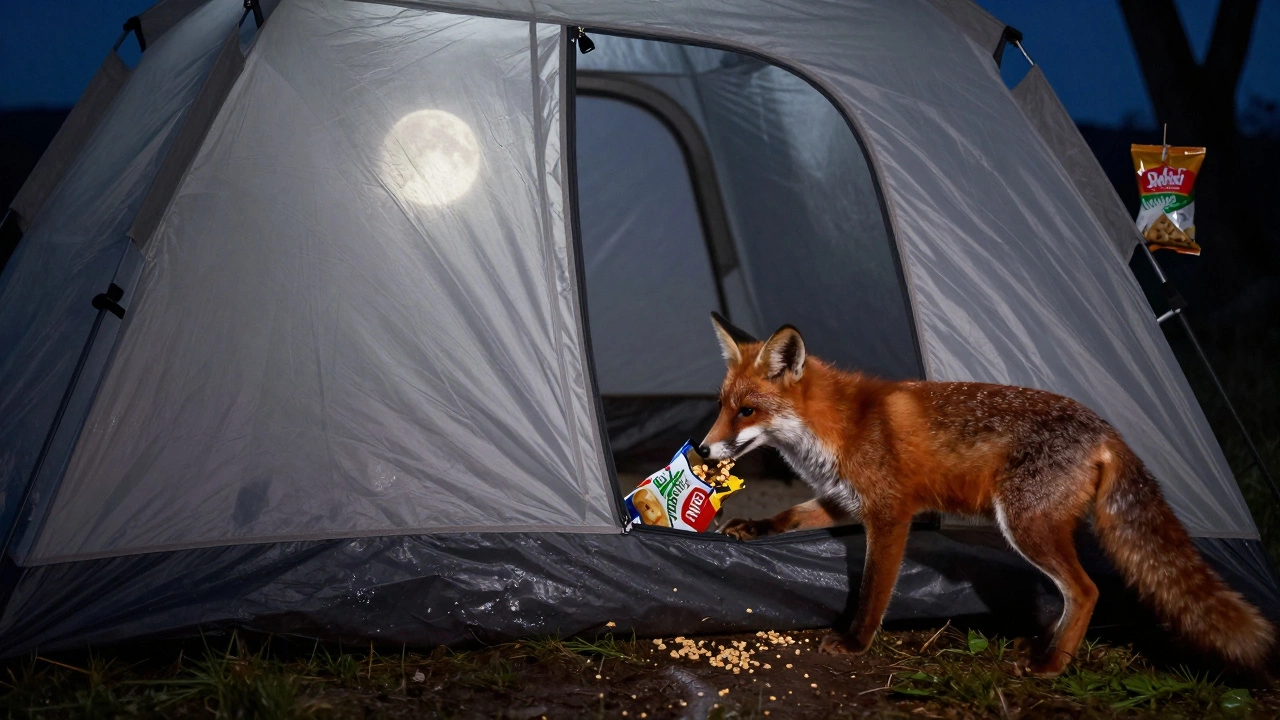
Ever woken up in the middle of the night to the sound of crunching plastic and rustling fabric, only to find a raccoon or mouse digging through your backpack? Or maybe you opened your tent in the morning to find your chocolate bar melted into your sleeping bag. These aren’t just annoying-they’re dangerous. In the UK, where weather changes fast and wildlife is more curious than aggressive, what you store in your tent can turn a peaceful trip into a nightmare.
Food and Smelly Items Are the Biggest Mistake
Food is the number one thing you should never keep inside your tent. Not even snacks. Not even energy bars. Not even your midnight peanut butter sandwich. The smell lingers-even if you think you sealed it tight. Bears don’t roam the UK, but foxes, badgers, and even rats do. They’ve got noses built for finding food, and they’ll tear through zippers like tissue paper.
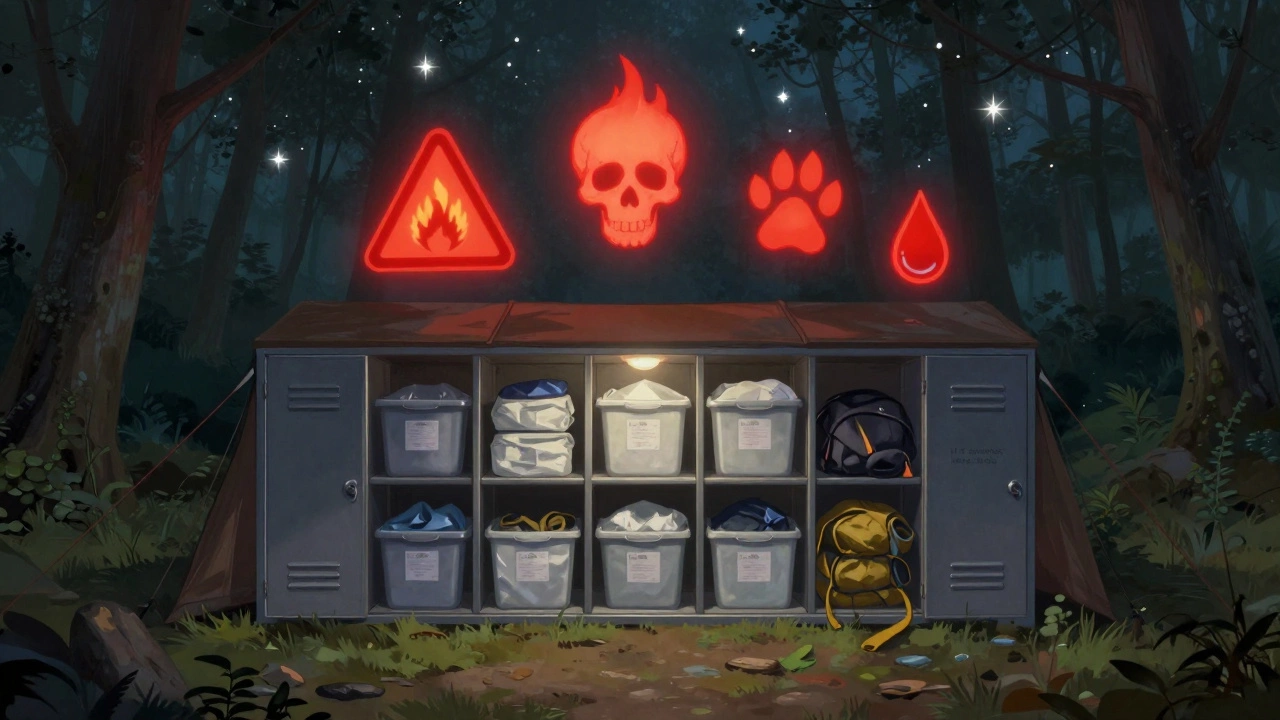
UK campsites often have designated food storage lockers for a reason. If yours doesn’t, hang your food from a tree at least 10 feet off the ground and 4 feet away from the trunk. Or use a bear-proof canister-yes, they work for foxes too. Even toothpaste, deodorant, and lip balm can attract animals. These items smell like food to wildlife, even if they’re not edible to you.
Cooking Gear Belongs Outside
Never cook inside your tent. Not even with a tiny stove. Not even if it’s pouring rain. The risk isn’t just fire-it’s carbon monoxide poisoning. In a sealed tent, fumes build up fast. You won’t feel dizzy until it’s too late. There are no warning signs until your body starts shutting down.
Plus, cooking inside leaves grease and food residue on your tent walls. That smell stays for months. Next time you pitch your tent, the same animals that smelled your dinner last week will come back for more. Always cook at least 200 feet away from your sleeping area. Use a portable stove on a flat, clear patch of ground. Keep a fire extinguisher or bucket of sand nearby, just in case.
Open Containers Are a No-Go
Even if you think you’ve got food sealed, open containers are a red flag. A half-eaten bag of crisps, a cracked jar of jam, or an unzipped snack pouch are like a dinner bell for pests. Use hard-sided, airtight containers for anything with a scent. Glass jars? Avoid them. They break. Plastic tubs with locking lids are better. Some campers swear by odor-proof bags like Opsak-they’re not foolproof, but they reduce smell by 90%.
And don’t forget drinks. Energy drinks, juice boxes, and even water bottles with leftover sugar can attract ants and wasps. Empty them before bringing them into the tent. Rinse them out if you can. A sticky bottle might seem harmless, but in the dark, a wasp will mistake it for a flower.
Chemicals and Fuel Are a Fire Hazard
Gas canisters, lighter fluid, and even hand sanitizer belong outside. These aren’t just flammable-they’re explosive under heat. A tent in direct sunlight can hit 40°C in summer. A gas canister left inside can rupture. A spilled bottle of fuel can soak into your sleeping mat and create a slow-burning fire you won’t notice until it’s too late.
Store fuel in a sealed metal container, away from your sleeping area. Keep it in your car if you have one. If you’re wild camping, bury it in a cool, shaded spot under a rock-just make sure you can find it again. Never store propane or butane canisters inside your tent, even if they’re empty. Residual gas can still leak.
Electronic Devices Need Protection
Phones, cameras, and power banks are fine in your tent-but only if they’re dry. Moisture is the real enemy. Condensation builds up inside tents every night, especially in the UK’s damp climate. That little drop of water on your phone screen might seem harmless, but it can fry the circuitry over time.
Keep electronics in a dry bag or sealed plastic container. Don’t leave them on the ground. Put them on a raised surface, like your backpack or a dry mat. If you’re charging something overnight, do it outside your tent. A power bank in a wet tent is a short-circuit waiting to happen.
Wet Clothes and Gear Are a Recipe for Mold
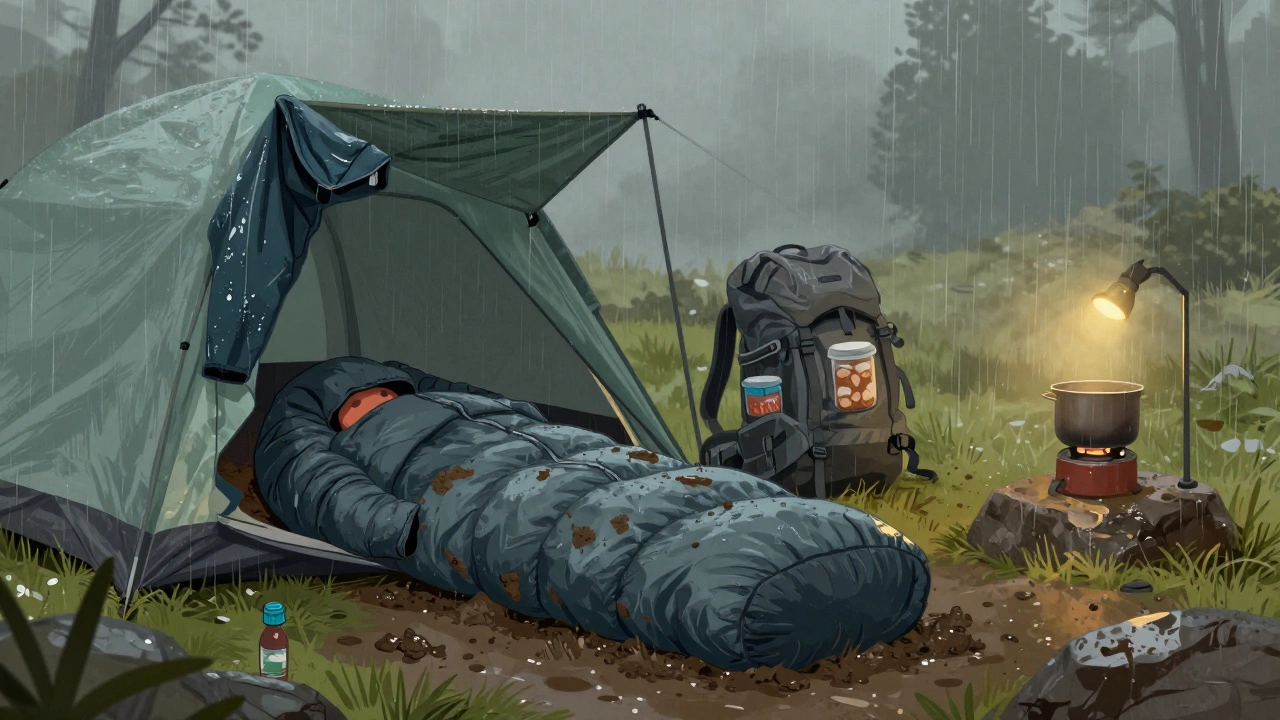
Wet jackets, muddy boots, and damp sleeping bags? Don’t bring them inside. They’ll turn your tent into a humidity chamber. Mold grows fast in dark, moist places. It doesn’t just ruin gear-it can trigger allergies and respiratory issues. One study found that 60% of campers who slept in tents with wet gear inside reported stuffy noses or coughs by day three.
Hang wet clothes on a line outside, or drape them over your tent’s vestibule. If you’ve got no space, use a dry bag to seal them off from your sleeping area. Even better-dry them out during the day. Take a walk. Let the sun and wind do the work.
Sharp Objects and Tools Can Cause Accidents
Knives, multi-tools, and even tent stakes can be dangerous in a cramped space. You’re not in a hotel room. You’re sleeping on the ground, surrounded by gear. A misplaced knife in your backpack could poke through the fabric and stab you in the leg while you roll over. Tent stakes left on the floor? You’ll step on them in the dark.
Keep tools in a separate, labeled bag. Hang them from a hook or stash them in your car. If you need something at night, bring it in one at a time. Don’t leave anything sharp within arm’s reach of your sleeping bag.
Trash and Packaging Are a Magnet for Trouble
Empty wrappers, candy foil, and used tissues? Don’t leave them in your tent. Even if you’re planning to pack them out in the morning, animals will smell them overnight. A fox can tear open a plastic bag in under 30 seconds. Once they learn your tent is a snack bar, they’ll come back every night.
Store trash in a sealed, odor-proof bag. Hang it with your food. Or keep it in your car. If you’re wild camping and have no car, bury it at least 200 feet from your tent and cover it with rocks. Never burn trash in your campfire-it releases toxins and leaves behind plastic fragments that animals might eat.
What About Pets?
Some people bring dogs into their tents. That’s fine-but only if they’re clean and dry. Wet paws, muddy fur, and leftover treats are just as tempting to wildlife as human food. A dog that’s been sniffing around a badger sett? That’s a walking attractant.
Never let your pet sleep with food in the tent. Even their kibble can draw attention. And if your dog barks at night? That’s a signal to every creature in the woods that something’s there. Keep them calm, clean, and outside the tent when possible.
Final Rule: If It Smells, It Belongs Outside
The simplest rule to remember? If it has a smell, keep it out of your tent. That includes food, toiletries, dirty clothes, fuel, and even your sweaty socks. Animals don’t care if you’re a hiker, a parent, or a retiree. They care about scent. And they’re smarter than you think.
Plan ahead. Pack separate bags: one for food, one for gear, one for dirty clothes. Use odor-proof containers. Store everything outside your sleeping zone. Your tent isn’t a storage closet. It’s your shelter. Keep it clean, dry, and smell-free-and you’ll sleep better, stay safer, and leave no trace behind.
Can I keep my phone in my tent?
Yes, but only if it’s dry and sealed. Condensation inside tents can damage electronics. Store your phone in a dry bag or sealed plastic container, and never leave it on the ground. Charge it outside the tent if possible.
Is it safe to store food in a cooler inside the tent?
No. Even a sealed cooler smells to wildlife. Foxes and badgers can smell food through plastic and metal. Always store coolers outside your tent, hung from a tree or placed in a designated food locker. If you’re wild camping, keep it at least 200 feet from your sleeping area.
What should I do if an animal gets into my tent?
Stay calm and don’t panic. Slowly back away without making sudden moves. Turn on your headlamp-bright light usually scares animals off. Don’t try to chase them. Once they leave, check for damage and clean the tent thoroughly. Wash all fabric with unscented soap and air it out for 24 hours before using again.
Can I bring my dog into the tent?
Yes, but only if your dog is clean, dry, and doesn’t have food on them. Never let them sleep with snacks or treats. Keep their bedding separate from your gear. If your dog has been near wildlife or muddy areas, wipe them down before entering the tent.
Are bear canisters necessary in the UK?
Bears don’t live in the UK, but foxes, badgers, and rats do-and they’re just as good at breaking into food. Bear canisters work for these animals too. If you’re camping in areas with known wildlife activity, use one. They’re more reliable than hanging food or relying on lockers.