UK Camping Legality: What You Can and Can't Do on the Open Road
When it comes to UK camping legality, the rules around sleeping outdoors in England, Wales, and Scotland aren’t the same—and they’re often misunderstood. Also known as wild camping, this practice is mostly illegal in England and Wales, but allowed in parts of Scotland under the Land Reform Act. The confusion starts because you’ll see people camping in fields, forests, and by lakes without getting stopped—but that doesn’t mean it’s legal everywhere. What most people don’t realize is that wild camping, the act of pitching a tent or sleeping in a motorhome away from designated sites. Also known as stealth camping UK, it’s tolerated in some rural areas if done responsibly, but still technically against the law in England and Wales. The 36 rule camping, a guideline that suggests staying no more than 36 hours in one spot and keeping at least 100 meters from roads, buildings, and water sources. Also known as UK camping restrictions, this isn’t law—but many landowners and police use it as a benchmark for what’s considered acceptable.
If you’re driving a motorhome, you can’t just park anywhere overnight. Even on a quiet country lane, you could be asked to move on. The real issue isn’t just the law—it’s perception. Landowners don’t mind a single camper who leaves no trace, but they hate groups that trash the area or block access. That’s why stealth camping UK, the practice of blending in, arriving after dark, leaving before dawn, and taking all trash with you. Also known as wild camping, it’s the only way most people get away with it in England. You’ll find communities online sharing hidden spots near Dartmoor, the Lake District, or the Scottish Highlands—but even those spots can change if too many people show up. And while Scotland is more forgiving, you still need to follow the Scottish Outdoor Access Code: no fires near trees, no camping near farms or houses, and always respect private property.
The UK camping legality mess isn’t just about rules—it’s about culture. Most campsites charge £20–£40 a night. That’s why so many people risk it. But if you get caught, you could face a fine or worse: being banned from future trips. The good news? There are legal alternatives. Many farms, pubs, and even churches offer free or low-cost overnight parking for motorhomes. Some councils allow it in designated areas. And if you stick to the 36 rule, keep quiet, and clean up after yourself, you’re far more likely to be left alone than ticketed. Below, you’ll find real stories, legal breakdowns, and hidden spots that actually work—without breaking the law.
-
 VIEW POST
Is It Illegal to Camp on the Beach in England? The Real Rules
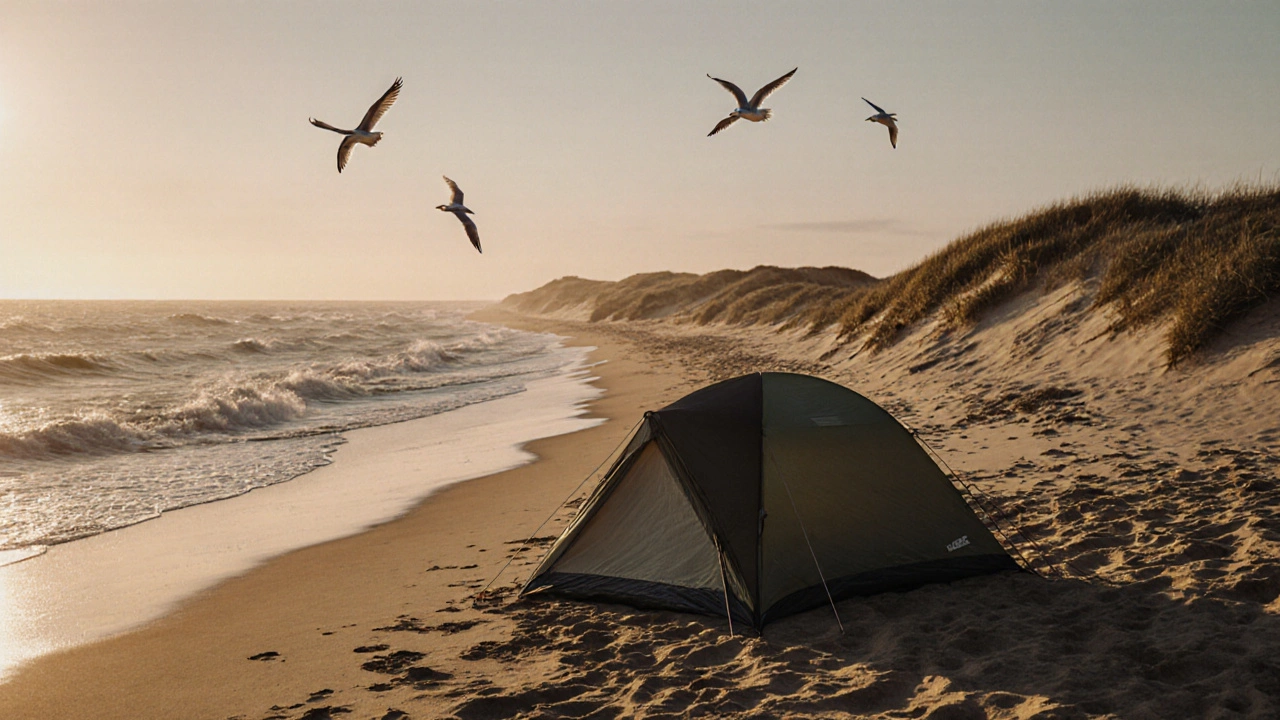
Nov, 16 2025|0 CommentsCamping on beaches in England isn't automatically illegal-but it's rarely allowed without permission. Learn where you can camp legally, what happens if you get caught, and safer alternatives for beachside nights.