Tent Storage Mistakes: How to Keep Your Gear Lasting Longer
Storing your tent, a portable shelter designed for outdoor use, often made of waterproof fabric and poles. Also known as camping tent, it's one of the most important pieces of gear you own might seem simple—just fold it up and toss it in the closet. But if you’re doing it wrong, you’re slowly killing it. The biggest tent storage mistakes aren’t about forgetting the stakes—they’re about moisture, compression, and neglect. A tent stored damp or crushed in a stuff sack for months will develop mold, lose its waterproof coating, and start tearing at the seams. You don’t need to be an expert to fix this. You just need to know what not to do.
One of the most common errors is putting away a wet or even slightly damp tent. Rain, dew, or sweat from inside can sit in the fabric for days, and fungi love that. You might think, "I’ll dry it out tomorrow," but tomorrow never comes. Mold doesn’t wait. Even if the outside feels dry, the inner coating can still hold moisture. Always air out your tent completely—ideally in the sun—for at least a full day before packing. If you’re on the road and can’t wait, hang it over a chair or porch rail overnight. A stuff sack, a compact bag used to compress and carry tents and sleeping bags is great for transport, but terrible for long-term storage. The constant pressure crushes the fabric’s waterproof membrane. Instead, store your tent loosely in a large cotton sack or even a breathable laundry basket. This lets air circulate and keeps the material from breaking down.
Then there’s the storage location. Basements, garages, and attics might seem convenient, but they’re humidity traps. If it’s hot and sticky, mold grows. If it’s cold and damp, condensation forms. Your tent needs a cool, dry, and dark spot—like a closet shelf or under a bed in a climate-controlled room. Avoid plastic bins unless they’re vented. And never store it near chemicals like gasoline, paint, or cleaning supplies. The fumes can eat through coatings. Also, don’t forget the poles and stakes. Bend a carbon fiber pole once while it’s cramped in a sack, and it might snap next season. Keep them separate, clean, and dry. A tent repair kit, a small collection of patches, seam sealer, and extra guylines for fixing gear on the go should live with your tent, not in a different box. You’ll thank yourself when a gust tears a guyline and you can fix it before your trip even starts.
There’s no magic trick here—just consistency. Clean your tent after every trip, even if it didn’t rain. Brush off dirt, rinse off salt or pollen, and let it breathe. Check for tears or frayed seams. Reapply seam sealer every year or two. These aren’t chores—they’re habits that turn a $200 tent into a 10-year companion. The difference between a tent that lasts and one that dies in two seasons comes down to what you do after the adventure ends. You wouldn’t leave your car out in the rain for weeks without washing it. Don’t treat your tent any differently.
Below, you’ll find real stories and practical fixes from people who’ve made these mistakes—and learned the hard way. Whether you’re packing up after a weekend in the Lake District or storing your rig for winter, these posts will show you exactly how to avoid the traps that ruin gear. No fluff. No theory. Just what works.
-
 VIEW POST
What Should You Not Keep in a Tent? Essential Do’s and Don’ts for UK Campers
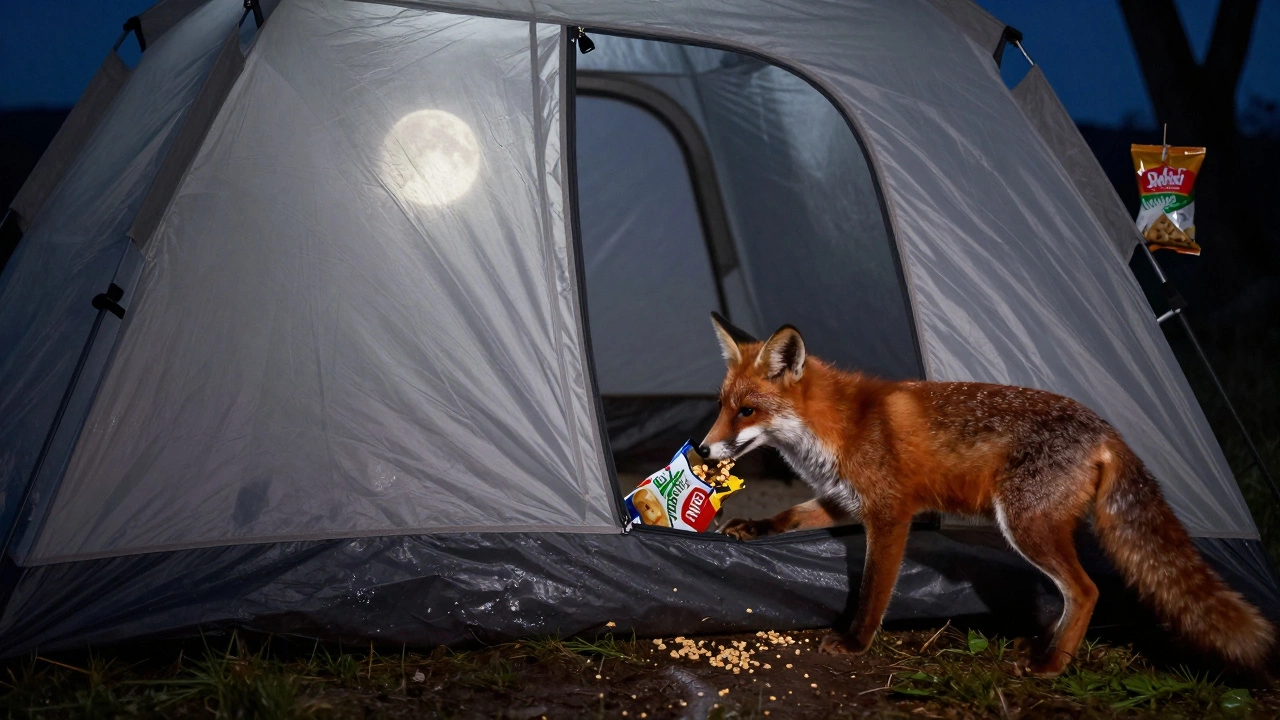
Dec, 4 2025|0 CommentsLearn what not to keep in a tent when camping in the UK to avoid wildlife, mold, and accidents. Essential tips for food, gear, and safety on every campsite.