Tent Safety UK: How to Camp Safely in Tents Across Britain
When you pitch a tent, a portable shelter used for overnight stays outdoors. Also known as a camping tent, it’s one of the most common ways to experience the UK’s wild landscapes. But a tent isn’t just fabric and poles—it’s your protection against rain, wind, wildlife, and even fire. In the UK, where weather shifts fast and legal camping rules are tight, tent safety isn’t optional. It’s the difference between a peaceful night under the stars and a dangerous, costly mistake.
One of the biggest risks? campfire safety, the practice of managing open flames responsibly in outdoor settings. Too many campers light fires too close to tents, especially in dry grass or under low-hanging branches. A single spark can turn a cozy night into a disaster. Even small stoves or lanterns can melt nylon or ignite damp fabric if left unattended. The UK’s damp climate doesn’t make this safer—it makes it sneakier. Moisture hides the danger until it’s too late. Always keep flames at least three meters from your tent, never leave them burning overnight, and always have water or sand nearby to douse embers.
Then there’s wild camping, camping outside designated sites, often on public or private land without permission. It’s popular in Scotland and parts of Northern England, but in England, it’s mostly illegal unless you have landowner approval. Even if you’re not caught, pitching your tent on a slope, near a riverbank, or under a tree with dead branches puts you at risk. Rain can turn a dry patch into a flash flood zone overnight. Wind can snap branches without warning. Always check the ground for hidden holes, ant nests, or signs of past flooding. And never assume a spot is safe just because someone else camped there last week.
Weather is another silent threat. UK summers can turn cold and wet in hours. A tent that handles light drizzle might collapse under heavy rain if the fly isn’t taut or the pegs are weak. Always test your tent before you leave—pitch it in your garden, seal the seams, and see how it holds up. Bring extra pegs, a repair kit, and a groundsheet. And don’t forget condensation. Even the best tents get wet inside if you don’t ventilate. Leave a vent open, even in rain. Moisture builds up faster than you think—and damp gear leads to hypothermia.
There’s also the issue of campsite rules, local regulations that dictate what you can and can’t do while camping. Some sites ban open flames, others restrict noise after 10pm. A few don’t allow dogs in tents. Ignoring these rules doesn’t just get you kicked out—it can lead to fines, especially in protected areas like national parks. Always read the signs. If you’re unsure, ask the site manager. Most are happy to help.
And what about gear? A good tent matters, but so does what you bring inside. No candles. No electric heaters. No charging phones right next to your sleeping bag. Batteries can overheat. Sparks from faulty wiring can ignite fabric. Stick to battery-powered lanterns with protective casings. Keep your cooking gear outside, even if it’s raining. A small gas stove is fine—if it’s used properly and away from flammable materials.
Finally, think about who’s with you. Kids and pets need extra care. A curious dog might chew through a guy line. A toddler might crawl too close to a stove. Always set boundaries. Use a small play mat inside the tent for kids. Keep pets on a leash when outside. And never let anyone sleep in a tent without knowing the exit plan. In an emergency, you need to get out fast.
There’s no magic trick to tent safety in the UK. It’s about preparation, awareness, and respect—for the land, the weather, and the rules. The posts below cover real stories, legal limits, gear mistakes, and survival tips from people who’ve been there. Whether you’re camping in Dartmoor, the Lake District, or your own backyard, you’ll find what you need to stay safe, stay dry, and stay out of trouble.
-
 VIEW POST
What Should You Not Keep in a Tent? Essential Do’s and Don’ts for UK Campers
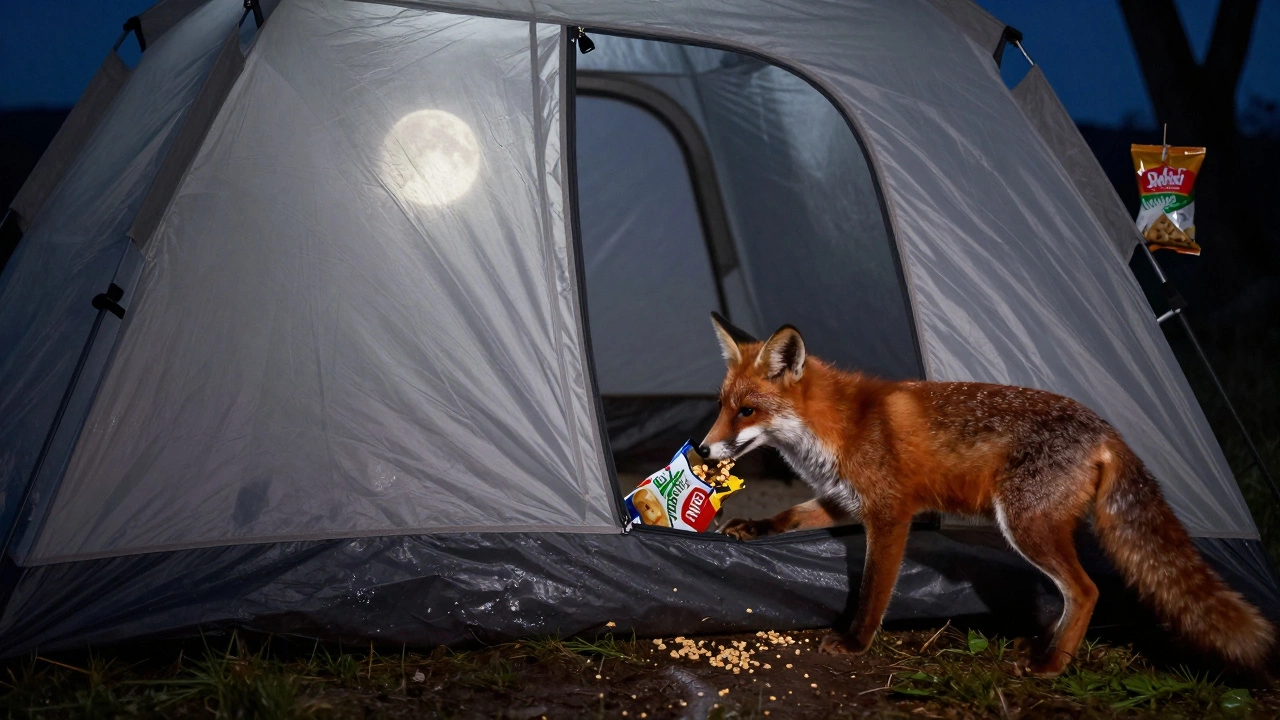
Dec, 4 2025|0 CommentsLearn what not to keep in a tent when camping in the UK to avoid wildlife, mold, and accidents. Essential tips for food, gear, and safety on every campsite.