RV Hosting: Where to Stay for Free, Legal, and Safe Overnight Stops
When you hear RV hosting, a system where travelers stay on private land or public areas with permission, often for free or low cost. Also known as wild camping, it’s not just about saving money—it’s about freedom, flexibility, and avoiding crowded RV parks. But here’s the thing: not all RV hosting is legal, and not all free spots are safe. In the UK, you can camp on your own land for up to 28 days a year without permission, but beyond that, you need planning approval—even if you’re not charging anyone. And in places like Florida or England, what looks like an empty field or quiet Walmart parking lot could get you fined—or worse, asked to leave in the middle of the night.
Many people mix up boondocking, camping without hookups, usually on public or unmonitored land. Also known as dispersed camping, it’s one of the most popular ways RVers stretch their budget with free camping, any overnight stay that doesn’t require payment, whether on public land, private property with permission, or in parking lots. Also known as wild camping, it’s the backbone of budget road trips. But they’re not the same. Boondocking often happens in national forests or BLM land in the US, while in the UK, free camping is mostly limited to remote areas like the Scottish Highlands—with strict rules. Walmart boondocking? It’s tolerated in some states, but banned in others. And in England, sleeping on the beach or in the woods without permission? That’s usually illegal, even if no one’s around.
What makes RV hosting work isn’t just finding a spot—it’s knowing the rules. Smoking or vaping in forest campsites can get you fined for fire risk. Running your fridge on propane while driving? Illegal in many places and dangerous. Even using bots to book last-minute sites is changing how spots get taken, leaving regular travelers scrambling. The real secret? It’s not about hacking the system. It’s about respecting the land, the locals, and the law. That’s why the best RV hosting experiences come from places where you’ve done your homework: checking local ordinances, calling ahead, and leaving no trace.
Below, you’ll find real stories from people who’ve done it right—and wrong. From how to stay safe at Walmart overnight to why Florida’s public lands are a boondocking goldmine, these posts cut through the noise. You’ll learn where you can legally sleep for free, what gear you actually need, and how to avoid the traps that ruin road trips. No fluff. No guesswork. Just the facts you need to keep your wheels rolling and your nights peaceful.
-
 VIEW POST
How to List Your RV on Airbnb: A Step-by-Step Guide for 2025
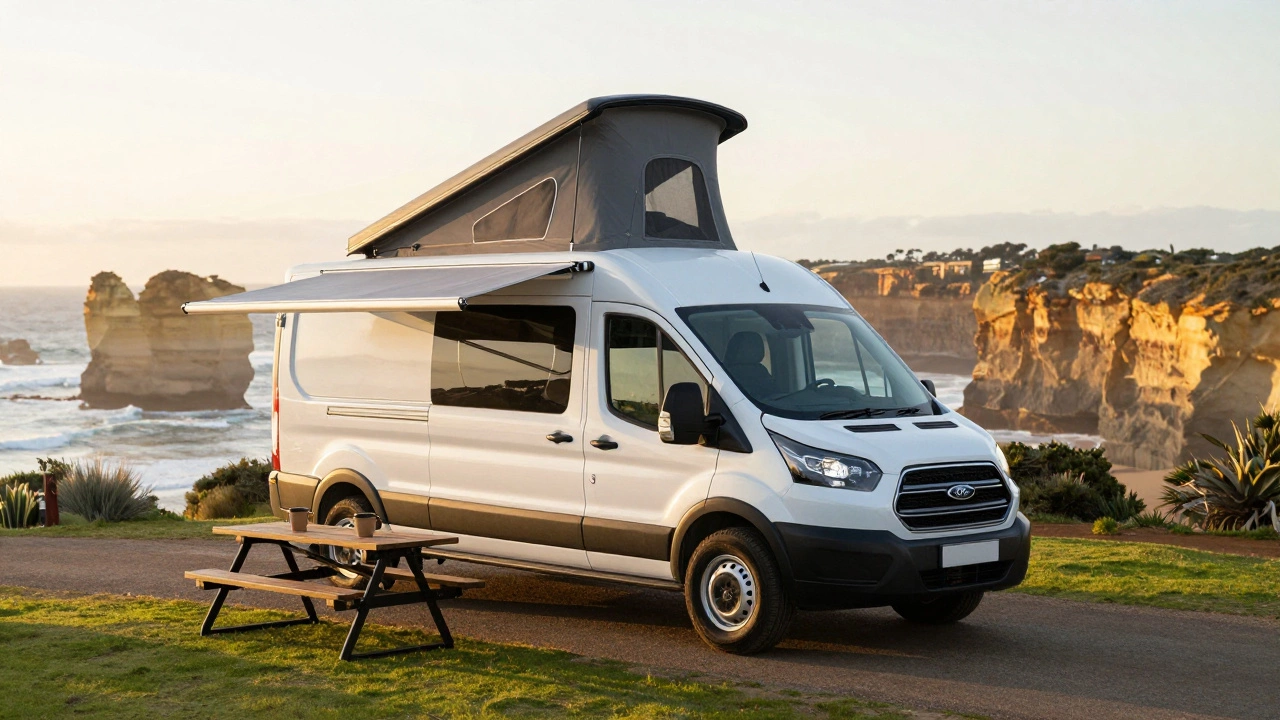
Dec, 1 2025|0 CommentsLearn how to list your RV on Airbnb in 2025 with practical steps for photos, pricing, cleaning, and legal tips. Turn your camper van into a steady income source with real advice from Australian hosts.