How to List Your RV on Airbnb: A Step-by-Step Guide for 2025
 Dec, 1 2025
Listing your RV on Airbnb isn’t just about putting up a photo and hoping for bookings. It’s about turning a vehicle you use for weekend trips into a steady source of income-especially if you’re in Australia, where road trips are part of the culture. In 2025, more travelers are skipping hotels and choosing unique stays like campervans, especially in places like the Great Ocean Road, Tasmania, or the Outback. If you’ve got an RV sitting idle, here’s exactly how to list it right-no fluff, no guesswork.
Start with the right RV
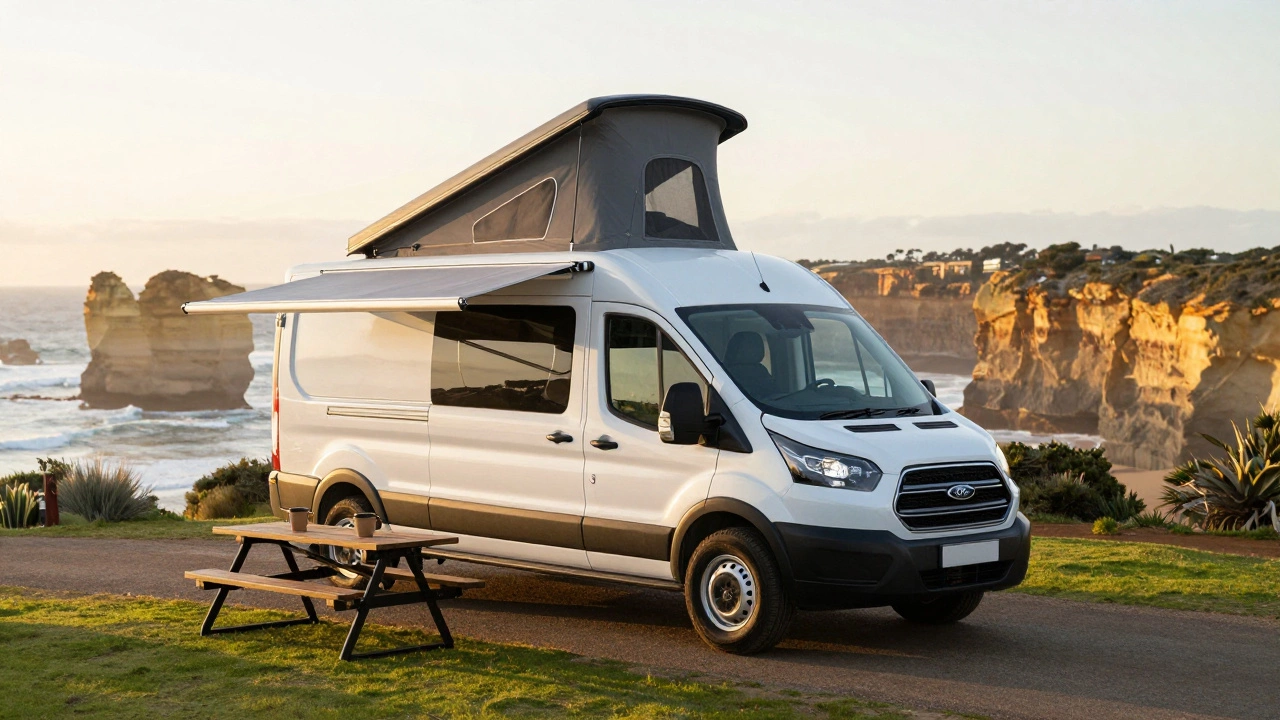
Not every RV works well on Airbnb. The best listings are clean, reliable, and have features travelers actually care about. Think about what makes a camper van stand out: a functional kitchenette, a cozy sleeping area, a good water tank, and a reliable power system. If your RV doesn’t have a fridge, running water, or a toilet, you’ll struggle to compete. Most top-performing listings in Australia have at least a 12V fridge, a portable toilet, and a solar panel or dual-battery setup. You don’t need luxury, but you do need basics that make self-contained living possible.Also, check your RV’s age and condition. Travelers avoid units older than 2010 unless they’re classic models with character. A 2018 Ford Transit camper with a pop-top and rooftop AC will outperform a 2005 Winnebago with peeling vinyl and a broken heater.
Take professional-quality photos
Your photos are your first and last chance to make a good impression. Don’t use phone snapshots taken at sunset with glare on the windows. Go out on a clear morning. Clean the inside and outside thoroughly. Open all blinds and curtains. Use a wide-angle lens to show the full interior. Shoot from low angles to make the space feel bigger.Include these must-have shots:
- Exterior: Front and side views with the RV parked in a scenic spot
- Living area: Sofa bed, table, and kitchen counter
- Bed: Made with clean linens, no clutter
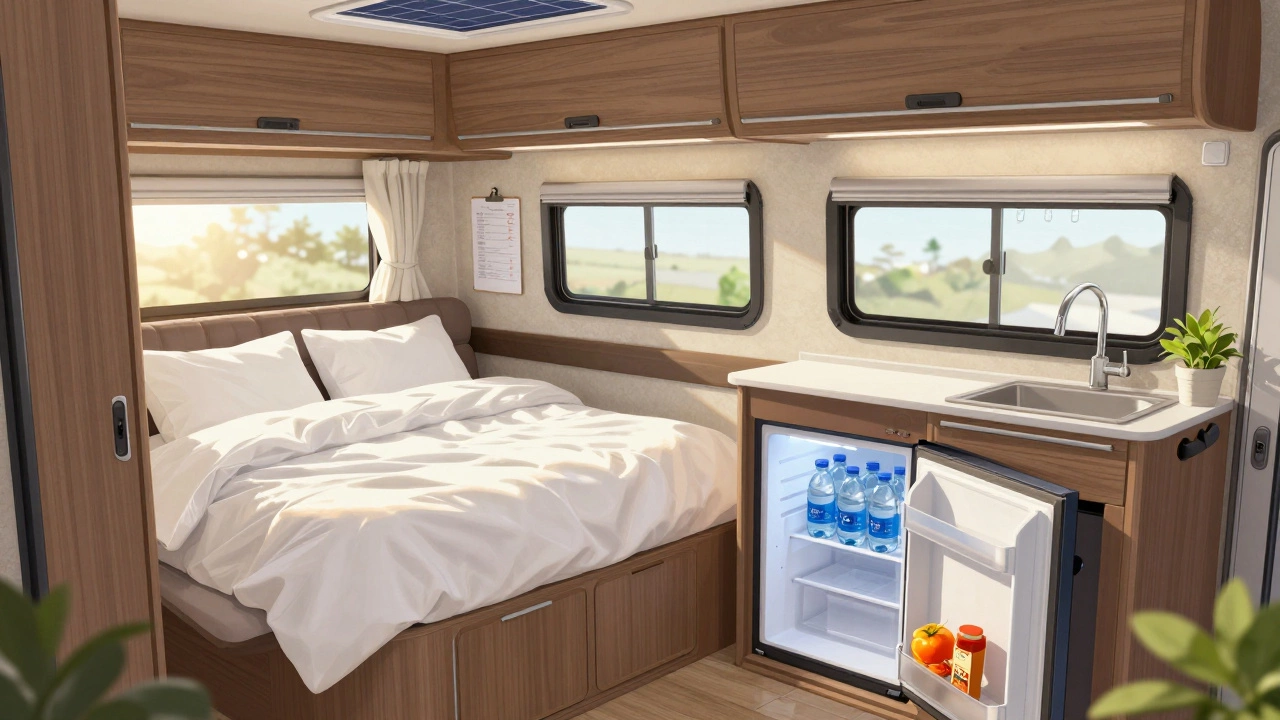
- Kitchen: Fridge open, sink clean, utensils neatly arranged
- Restroom: Toilet, sink, and shower (if applicable)
- Extras: Outdoor awning, table and chairs, bike rack, or rooftop gear
One host in Perth added a photo of their RV parked at Rottnest Island with the caption “Your home base for kangaroo selfies.” That listing got 40% more bookings. Specific, real-life context sells.
Write a listing that speaks to travelers
Your title matters. Avoid generic names like “My RV for Rent.” Instead, use: “2022 Ford Transit Camper - Perfect for Great Ocean Road Road Trip” or “Family-Friendly Campervan with Solar Power - Perth Base.”In the description, answer these questions before the guest even asks:
- Is this RV self-contained? (Yes/No)
- What’s included? (Linens, cooking gear, camping chairs, etc.)
- Can I bring pets? (Be honest-many travelers have dogs)
- Where can I park overnight? (List nearby free or paid campsites)
- What’s the fuel type and tank size? (Diesel? 80L? Good for 800km)
- Is there a toilet? Is it chemical or composting?
Don’t just list features. Tell a story. “This RV took me from Broome to Byron Bay last year. Now it’s your turn.” People connect with emotion, not specs.
Set smart pricing and availability
Airbnb’s pricing tool is helpful, but don’t rely on it blindly. In Australia, demand spikes during school holidays, long weekends, and summer (December-February). During peak season, you can charge 30-50% more. In winter, drop prices by 20% to stay competitive.Check what similar RVs in your area are charging. A 2020 Mercedes Sprinter with a full kitchen and solar setup in Melbourne rents for $180-$220/night in summer. A basic 2015 Ford Transit might go for $110-$140. Don’t undersell, but don’t overprice either. Your goal is to fill 20-25 nights a month, not sit empty waiting for the perfect booking.
Use Airbnb’s “Minimum Stay” feature. Set a 2-night minimum on weekends and 3 nights during holidays. It reduces turnover stress and increases revenue.
Make your RV easy to access
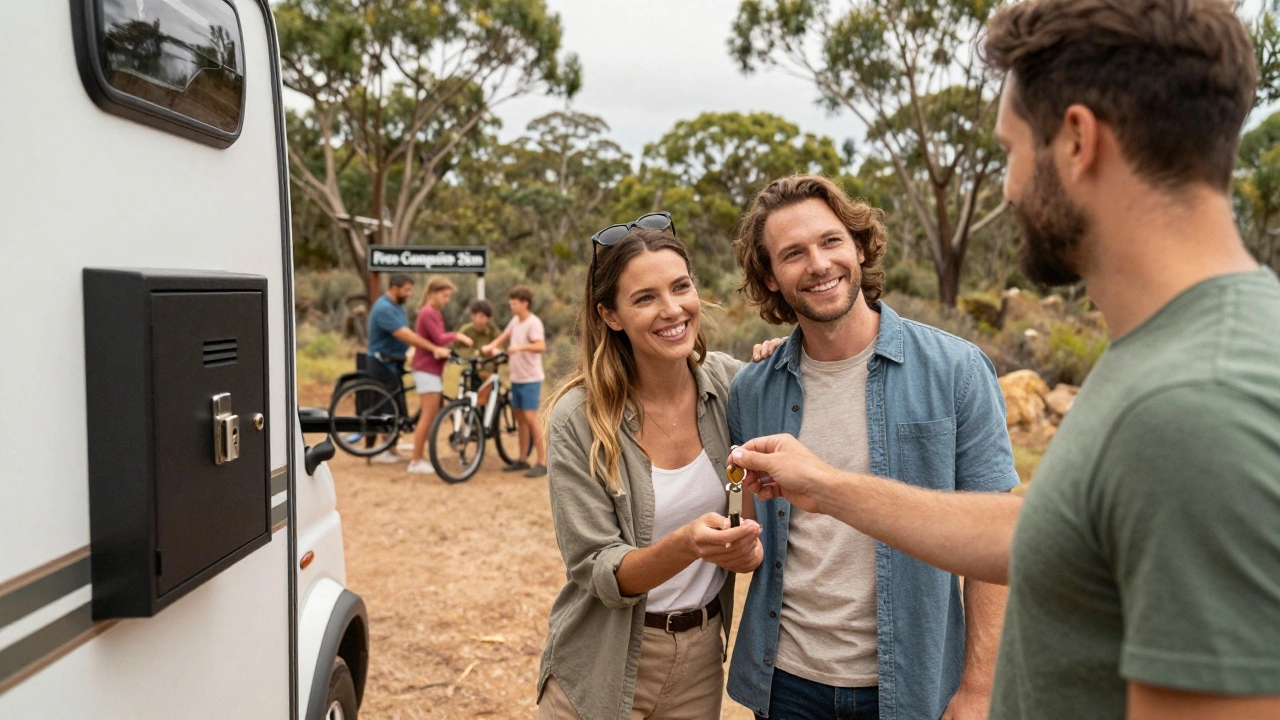
One of the biggest complaints from RV renters is complicated key handovers. If you’re not home when they arrive, you need a secure, foolproof system. Use a smart lock like August or Schlage Encode that lets you send temporary codes. Or leave a key in a lockbox near the RV.Include a printed checklist in the RV: how to turn on the water pump, how to empty the waste tank, where the fuse box is, how to use the stove. Most guests have never operated an RV before. Don’t assume they know.
Also, give them a local tip sheet: “Best free campsites near you,” “Where to refill water,” “Where to dump waste.” This turns a rental into an experience-and gets you 5-star reviews.
Handle cleaning and maintenance
You’re not just renting a vehicle-you’re renting a home. After every trip, the RV needs a deep clean. That means vacuuming, wiping down surfaces, sanitizing the toilet, checking for food crumbs (ants are a nightmare), and refilling water and gas.Most hosts hire a local cleaning service for $60-$90 per turn. It’s worth it. Guests notice if the fridge smells or the shower is sticky. One review said, “The RV looked like it had been used by a family of four. I expected better.” That’s a one-star review you can’t afford.
Keep a maintenance log. Note every oil change, tire rotation, battery test, and appliance repair. If something breaks, you’ll know when it was last serviced. This also builds trust. Guests feel safer knowing you care about upkeep.
Set clear house rules
Your rules protect you and set expectations. Don’t be vague. Be specific.- No smoking inside
- No parties or loud music after 10 PM
- Do not drive off-road unless approved
- Waste tank must be emptied before return
- Do not use the generator after 10 PM unless necessary
- Damage deposit: $500 (refundable within 48 hours)
Put these in writing in your listing and again in a welcome message. If someone breaks a rule, you have proof. Airbnb sides with hosts who document everything.
Get reviews fast
Your first five reviews are the hardest. Ask guests to leave feedback before they leave. Send a polite message: “Hope you loved your trip! If you had a good experience, we’d really appreciate a quick review. It helps other travelers find this RV.”Respond to every review-positive or negative. Thank them for the stars. If they mention a problem, say: “Thanks for letting us know. We’ve fixed the showerhead and updated the checklist. We’d love to welcome you back.” That shows you care.
After 10 bookings, your listing will start appearing in search results without you having to promote it. That’s the magic of Airbnb’s algorithm.
Know the legal side
In Australia, you don’t need a special license to rent out your RV on Airbnb-but you do need to follow local rules. Some councils restrict long-term parking of RVs in residential areas. If you’re listing from your driveway, check your local council’s bylaws. In Perth, it’s generally fine as long as the RV isn’t used as a permanent residence.Also, make sure your insurance covers commercial use. Most standard auto policies don’t. You need a short-term rental endorsement or a policy from a provider like Allianz or NRMA that covers hired vehicles. Without it, you’re liable for any damage or accident.
And don’t forget tax. If you earn over $18,200 a year from rentals, you must declare it to the ATO. Keep receipts for fuel, cleaning, repairs, and insurance. You can claim these as expenses.
What to expect in your first 3 months
Don’t get discouraged if bookings are slow at first. It takes time to build visibility. Here’s what most hosts see:- Week 1-2: 1-2 inquiries, no bookings
- Week 3-4: First booking, maybe a 3-star review
- Month 2: 3-5 bookings, better reviews
- Month 3: Consistent bookings, especially on weekends
One host in Adelaide listed a 2019 Hymer on a whim. First month: 2 bookings. Second month: 8. Third month: 14. By month 6, she was making $4,500/month. She didn’t do anything fancy-just cleaned it well, took great photos, and answered messages fast.
Final tip: Be human
People don’t rent RVs because they need a vehicle. They rent them because they want freedom, adventure, and a sense of escape. Your job isn’t to be a landlord. It’s to be a guide. Answer messages quickly. Send a welcome note. Offer a local tip. Follow up after their trip.The best RV hosts aren’t the ones with the fanciest rigs. They’re the ones who make guests feel like they’re borrowing a friend’s car for a road trip-not renting from a corporation.
Do I need special insurance to rent out my RV on Airbnb?
Yes. Standard car insurance doesn’t cover commercial rentals. You need a short-term rental policy from providers like NRMA, Allianz, or AAMI that includes coverage for hired vehicles. Without it, you’re personally liable for any damage, theft, or accident during a rental.
Can I list my RV if it’s not self-contained?
You can list it, but you’ll get fewer bookings and lower ratings. Most travelers on Airbnb look for self-contained RVs with a toilet, sink, and fridge. If your RV doesn’t have these, you’ll need to list nearby campgrounds where guests can access facilities-and even then, you’ll compete with better-equipped units.
How much can I realistically earn renting out my RV?
It depends on your RV’s condition and location. A well-maintained 2018-2022 model in a popular area like the Gold Coast or Byron Bay can earn $150-$250/night in peak season. If you book 20 nights a month, that’s $3,000-$5,000. After cleaning, insurance, and maintenance, most hosts net $2,000-$3,500 monthly.
What’s the biggest mistake new RV hosts make?
Underestimating cleaning and maintenance. Many hosts think renting an RV is like renting a house. It’s not. RVs get dirty faster-dust, sand, bugs, food crumbs, and moisture build up quickly. Skipping deep cleaning after each trip leads to bad reviews, pest issues, and expensive repairs.
Should I allow pets?
Yes-if you’re okay with extra work. Pet-friendly RVs get 40% more inquiries. But you need to charge a pet fee ($20-$50 per stay) and require proof of vaccinations. Always clean thoroughly after pets, especially carpets and upholstery. Consider using washable seat covers and a portable vacuum in the RV.