Running Fridge on Propane: How It Works and What You Need to Know
When you're out on the road in a motorhome or campervan, keeping food cold without grid power isn't optional—it's essential. That’s where a propane fridge, a refrigerator designed to run on liquefied petroleum gas instead of electricity. Also known as absorption fridge, it’s the go-to solution for off-grid camping because it doesn’t need batteries or generators to keep your milk from spoiling. Most motorhomes and RVs come with these units built in, and they’re the reason you can wake up in the middle of nowhere with a cold drink still chilling.
How does it actually work? Unlike your home fridge that uses a compressor and electricity, a propane fridge uses heat from a small flame to boil a mixture of ammonia and water. The vapor rises, cools down, and turns back into liquid—creating the cold you need. It’s simple, reliable, and silent. No humming, no generator noise, just steady cooling as long as you’ve got propane. But here’s the catch: it needs good airflow. If you’ve ever opened your fridge and smelled gas, or noticed frost building up inside, it’s usually because the vent is blocked or the unit isn’t level. That’s why so many people who boondock in Florida or camp on private land in the UK end up with fridge issues—not because the propane is bad, but because they didn’t check the basics.
You don’t need to be an engineer to use one, but you do need to understand a few things. First, propane fridges work best when the unit is perfectly level. If you park on a hill, your fridge won’t cool properly. Second, they use very little propane—a small tank can last weeks if you’re not running it 24/7. Third, they’re not magic. If you’re in a hot desert or stuck in a stuffy parking lot with no breeze, the cooling efficiency drops. That’s why many campers pair their propane fridge with solar panels or a battery system for backup. And yes, you can run it while driving, but make sure your propane system is shut off during fuel stops or in tunnels. Safety isn’t optional here.
Some people think running a fridge on propane is outdated, but it’s still the most common way to stay cool off-grid. Whether you’re sleeping at Walmart, wild camping in the UK, or parked near Myrtle Beach, this system keeps your food safe without draining your batteries. And if you’re thinking about listing your RV on Airbnb or turning your camper into a full-time home, knowing how to maintain this appliance matters more than you think. It’s not just about convenience—it’s about reliability.
Below, you’ll find real stories and practical advice from people who’ve dealt with propane fridges in every kind of weather, terrain, and situation—from Florida’s humidity to UK winters. You’ll learn what goes wrong, how to fix it, and how to avoid the mistakes that leave people with warm food and a frustrated attitude. Whether you’re new to motorhome life or you’ve been on the road for years, this collection has the no-fluff answers you need.
-
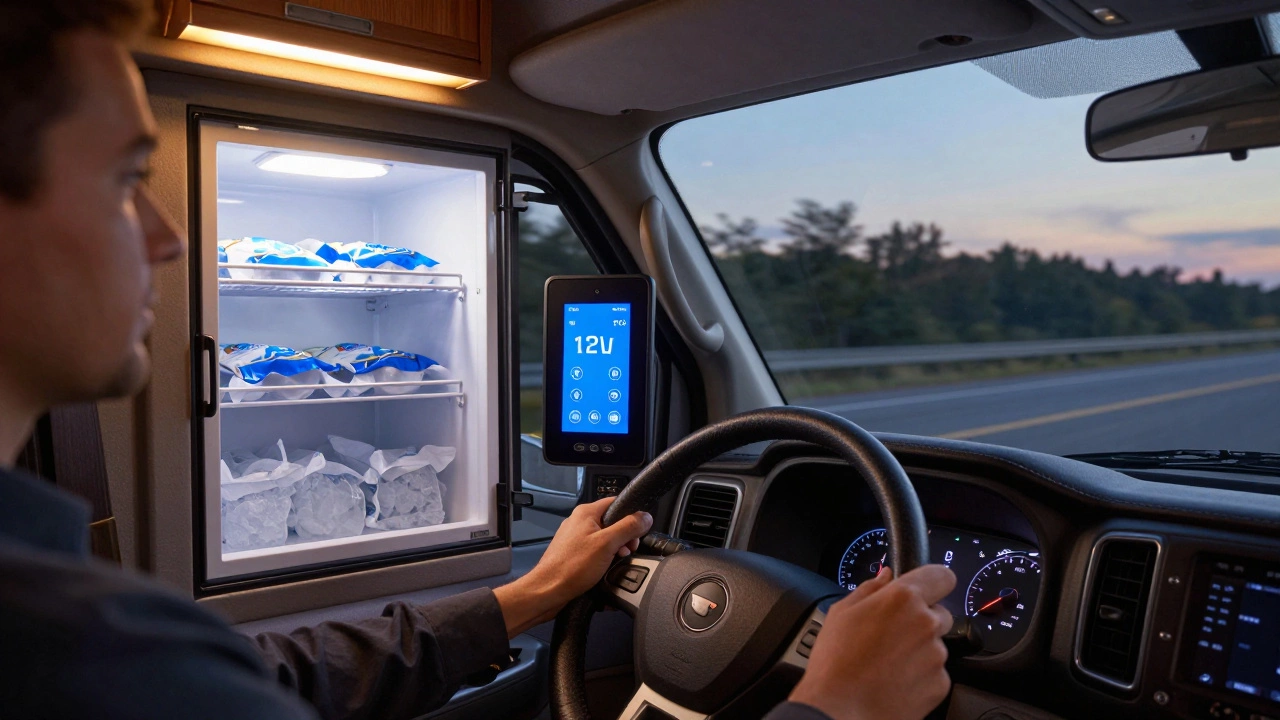 VIEW POST
Can You Run Your RV Refrigerator While Driving? Safety, Laws, and Practical Tips
Dec, 1 2025|0 CommentsRunning your RV fridge on propane while driving is dangerous and illegal in many places. Learn safe alternatives, legal rules, and how to keep food cold without risking fire or fines.