Overnight Camping Florida: Where to Sleep Safely and Legally in the Sunshine State
When you think of overnight camping Florida, the act of sleeping outdoors in a vehicle or tent across Florida’s public and private lands. Also known as wild camping Florida, it’s a popular way to stretch your budget and get closer to nature—but it’s not as simple as pulling over at a rest stop. Florida has over 1,200 miles of coastline, dozens of state forests, and miles of public land, but that doesn’t mean you can camp anywhere you want. Unlike some western states, Florida’s rules are strict, and fines for illegal camping can hit $500. So where can you legally sleep in your motorhome, tent, or camper van?
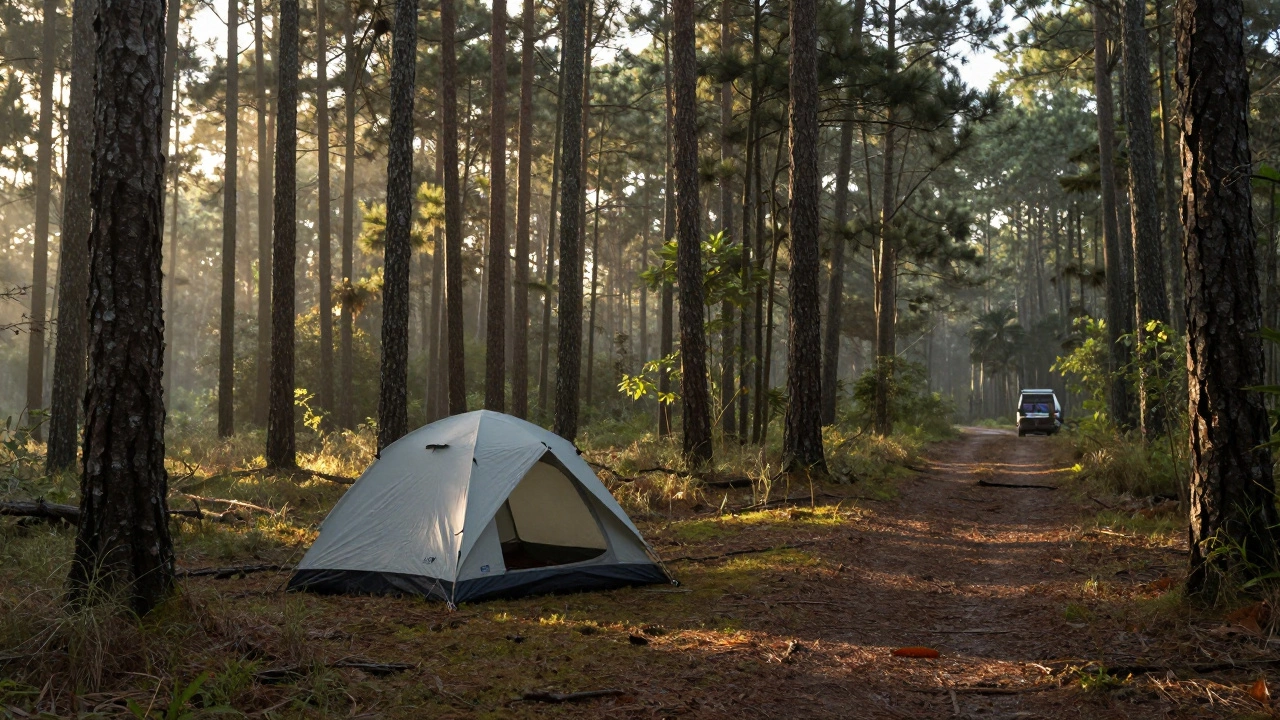
boondocking Florida, free, off-grid camping without hookups on public lands is possible, but only in specific areas. National forests like Osceola and Ocala allow dispersed camping for up to 14 days in one spot, as long as you’re at least 150 feet from water sources and trails. State parks, on the other hand, almost always require a reservation and a fee. Then there’s free camping Florida, camping without paying fees, often on public land or in designated pull-offs. Some Walmart parking lots allow it, but only if you’re quiet, leave no trace, and don’t overstay. Beaches? Most are off-limits unless you’re at a state park with a permit. And don’t assume that just because you’re on public land, you’re safe—Florida’s wildlife, from alligators to mosquitoes, makes preparation non-negotiable.
What you’ll find in the posts below isn’t just a list of spots—it’s a real-world guide built from people who’ve done it. You’ll learn where to park overnight without getting kicked out, what gear actually helps in Florida’s humid nights, which laws are enforced (and which aren’t), and how to avoid the traps that catch first-timers. Whether you’re in a rented RV or your own rig, these posts cut through the noise and give you what works. No fluff. No guesswork. Just clear, tested advice for sleeping safely under Florida’s stars.
-
 VIEW POST
Is It Legal to Camp in the Woods in Florida? Here's What You Need to Know
Dec, 1 2025|0 CommentsIs it legal to camp in the woods in Florida? The answer isn't yes or no-it depends on where you are. Learn where you can camp legally, where you can't, and how to avoid fines while enjoying Florida's forests.