Off-Season Motorhome: Save Money, Avoid Crowds, and Travel Smarter
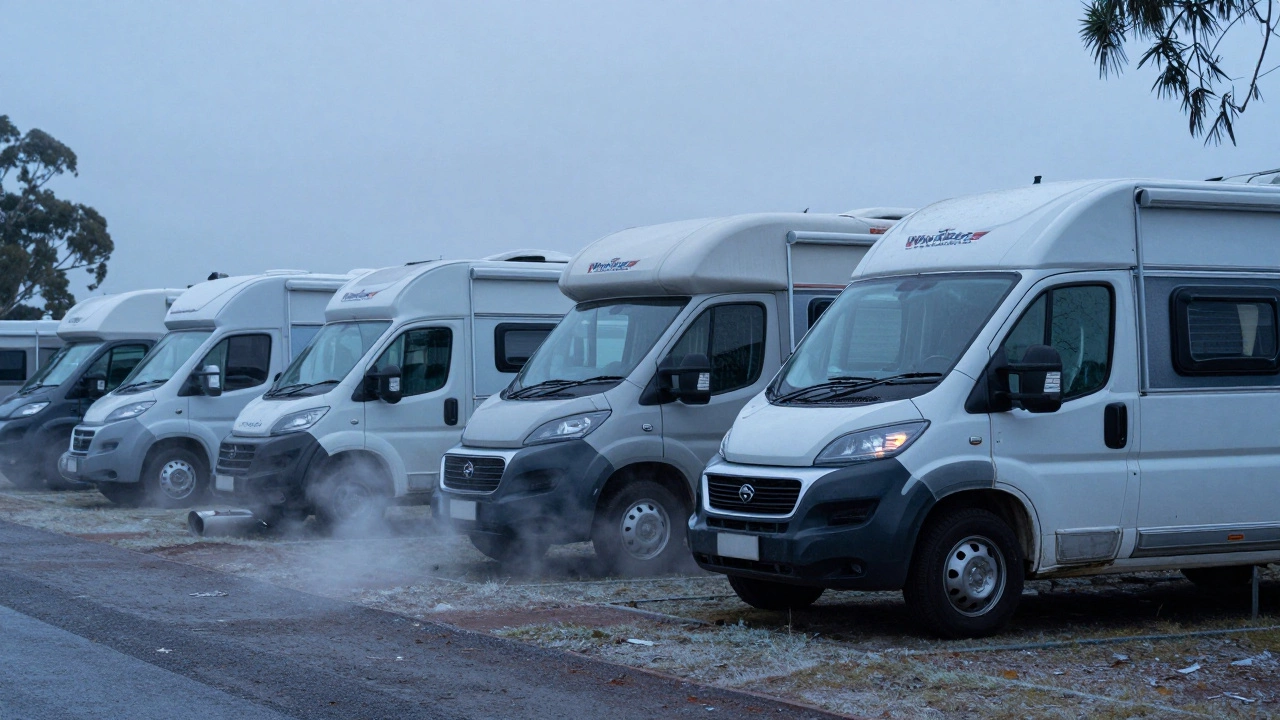
When you think of a motorhome road trip, you probably picture summer sun, packed campsites, and long waits for showers. But the real magic happens when the crowds leave—that’s where the off-season motorhome, a motorhome journey taken outside the busy summer months, typically between October and March in the UK. Also known as winter motorhome travel, it’s not just about saving money—it’s about rediscovering the freedom of the open road without the noise. Most people assume motorhomes are only for summer holidays, but the truth is, the UK’s landscapes come alive in quieter months. Frost on Dartmoor, mist over Lake Windermere, and empty coastal car parks make for unforgettable moments you won’t get in July.
Planning an off-season motorhome, a motorhome journey taken outside the busy summer months, typically between October and March in the UK. Also known as winter motorhome travel, it’s not just about saving money—it’s about rediscovering the freedom of the open road without the noise. means understanding a few key things. First, campsite availability, the number of open, staffed, or serviced camping locations during colder months. Also known as winter campsites, it’s far from guaranteed—many sites close, but dozens stay open year-round, especially in Scotland, Wales, and parts of northern England. Second, motorhome heating, the systems used to keep a motorhome warm in freezing temperatures, including diesel heaters, insulated windows, and thermal curtains. Also known as RV heating systems, it’s not optional—it’s essential. A standard gas heater won’t cut it if you’re dealing with sub-zero nights. Third, battery life, how long a motorhome’s power supply lasts without hookups, especially when running heaters, fridges, and lights in cold weather. Also known as 12V power endurance, it’s the silent hero of winter trips. Cold drains batteries faster, so you’ll need a bigger bank or a solar panel to stay off-grid.
You don’t need to be an expert to do this. Many UK motorhome owners swap their summer routes for coastal walks in Cornwall, forest trails in the Lake District, or quiet lanes in the Yorkshire Dales during the off-season. You’ll find campsites charging half the price, staff who actually have time to chat, and wildlife you never see in July—deer at dawn, owls in the evening, and frost-covered fields stretching for miles. It’s not about avoiding winter—it’s about embracing it. And yes, you can still use your TV, fridge, and water system just fine—you just need to plan for the cold.
What you’ll find below are real stories and practical guides from people who’ve done it: how to keep your motorhome from freezing, where to find open sites in November, how to charge batteries without hookups, and why some of the best UK road trips happen when no one else is looking. No fluff. No hype. Just what works when the weather turns and the crowds disappear.
-
 VIEW POST
When Is the Cheapest Time to Buy a Motorhome? Save Thousands by Timing Your Purchase Right
Dec, 8 2025|0 CommentsFind out when motorhome prices drop the most and how to score the best deal. Winter is the secret season for savings-learn why, where to look, and what to avoid.