When Is the Cheapest Time to Buy a Motorhome? Save Thousands by Timing Your Purchase Right
 Dec, 8 2025
Motorhome Timing Calculator
Save Thousands by Timing Your Purchase
The cheapest time to buy a motorhome in Australia is winter (May-August). Calculate your potential savings compared to peak season prices.
Buying a motorhome isn’t like buying a car. You’re not just paying for wheels and an engine-you’re paying for a home on wheels, and that price tag can jump from $30,000 to over $200,000 depending on what you want. But here’s the thing: the cheapest time to buy a motorhome isn’t when everyone else is shopping. It’s when the market is quiet, the dealers are desperate, and the previous owners are ready to let go.
Winter is the best season to buy
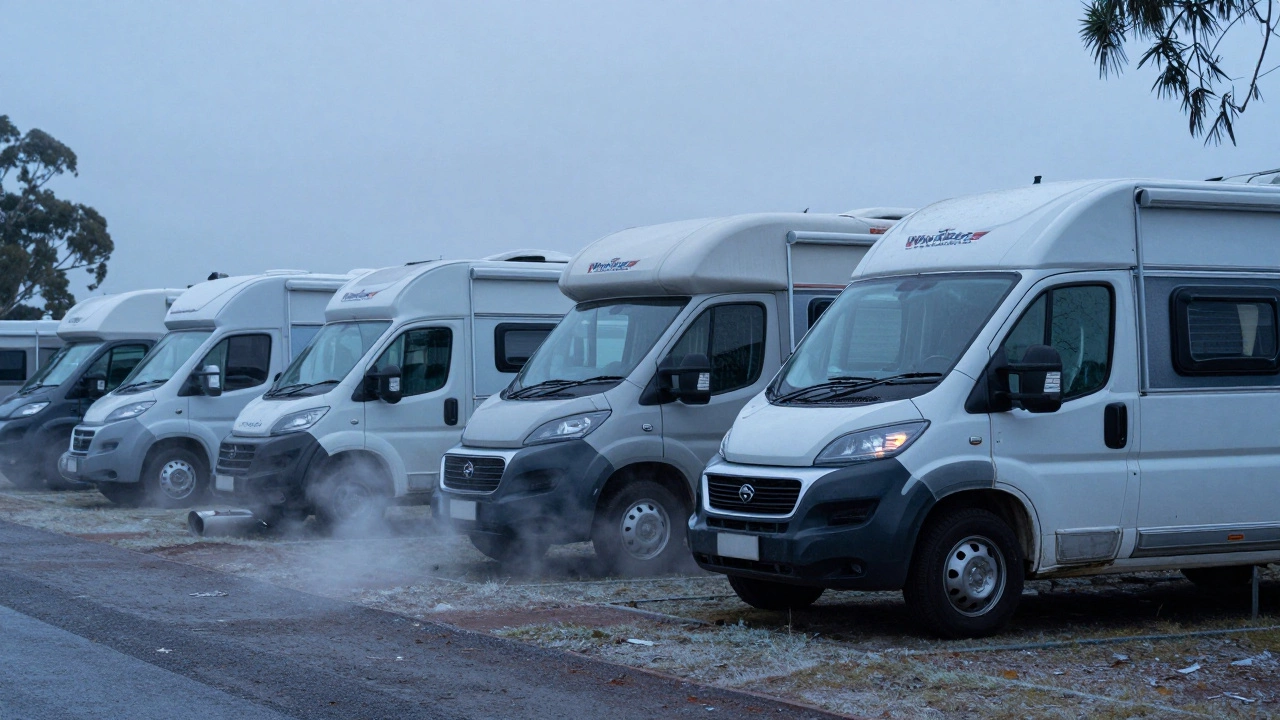
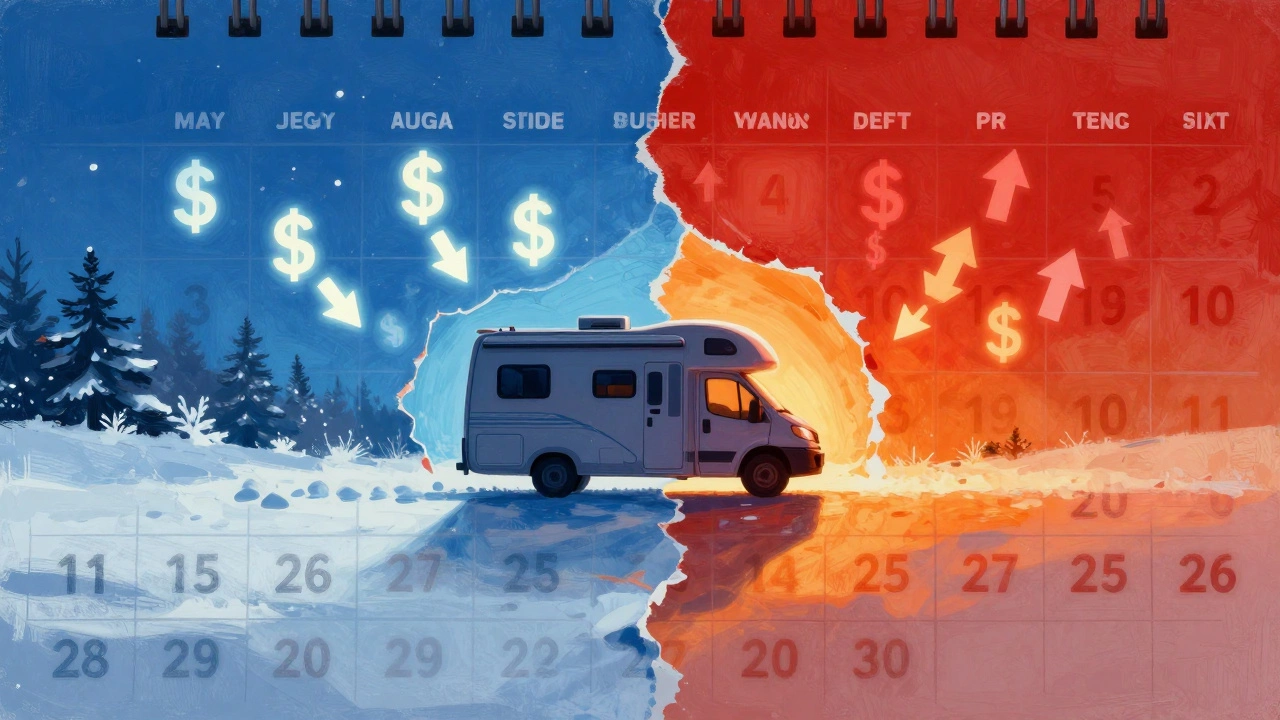
In Australia, the cheapest months to buy a motorhome are between May and August. That’s winter. While most people are dreaming of summer road trips to the Great Ocean Road or the Gold Coast, dealers are sitting on inventory that didn’t sell during peak season. They’re not making money sitting on it. Storage costs, insurance, and maintenance add up. So they lower prices-sometimes by 20% or more.
I’ve seen a 2022 Winnebago Era go from $89,000 in January to $69,500 in July. That’s $19,500 gone just because the buyer waited. Same thing happened with a 2021 Coachmen Freelander 24RB-dropped from $72,000 to $58,000 by the end of June. These aren’t rare cases. They’re standard.
Why? Because motorhomes are seasonal. People buy them in spring and summer to hit the road for holidays. By autumn, demand drops. By winter, it’s nearly flat. Dealers know this. So they start offering incentives: free delivery, extended warranties, free accessories, or straight cash discounts.
Why not buy in summer?
Summer is the most expensive time to buy a motorhome. Demand is high. Families are planning holidays. Retirees are getting ready to retire on the road. Inventory runs low. Dealers don’t need to discount. They can sell at full price-and often do.
Think about it: if you’re buying in December or January, you’re competing with hundreds of other buyers. Dealers know you want it now. They know you’ll pay more. There’s no pressure to negotiate. You’re the one doing the chasing.
And don’t fall for the ‘end-of-financial-year’ myth. While some dealers push deals in June, that’s mostly for business buyers and fleet operators. For private buyers, those discounts are thin. The real savings come months later, when the summer rush is over and the motorhome has been sitting on the lot for six months.
How to spot a good deal in winter
Not every winter motorhome is a bargain. Some are sitting there for a reason-accident history, mechanical issues, or poor maintenance. Here’s how to tell the difference:
- Check the service history. A full logbook with stamps from certified mechanics is a good sign.
- Look for low mileage. Under 40,000 km for a 2020-2023 model is ideal.
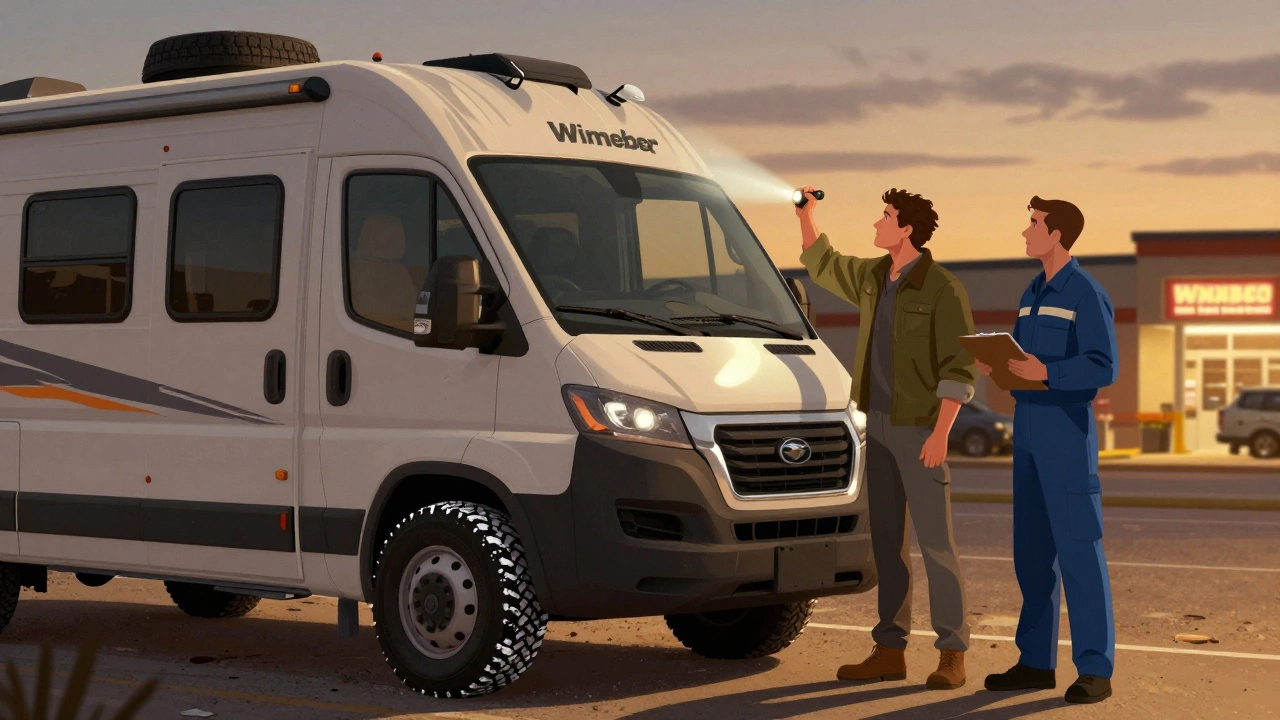
- Inspect the seals and roof. Water damage is the #1 killer of used motorhomes. Look for soft spots, stains, or mold near windows and vents.
- Test the fridge, heater, and water pump. These are expensive to replace. If they’re broken, walk away unless the price reflects it.
- Ask why the owner is selling. If they say, ‘We’re downsizing’ or ‘We found a better option,’ that’s a good sign. If they say, ‘It’s been sitting,’ dig deeper.
Don’t skip the pre-purchase inspection. Pay a mobile mechanic who specializes in motorhomes. It costs $200-$300, but it saves you thousands. I’ve seen buyers skip this and end up with a $15,000 repair bill six months later.
Where to find the best deals
Dealerships aren’t your only option. In fact, private sellers often offer better prices-especially in winter. Check these places:
- Facebook Marketplace-filter for ‘motorhome’ and sort by ‘oldest first.’ The oldest listings are the ones dealers ignored. Sellers are more likely to negotiate.
- Trading Post and CarSales-use the advanced filters. Set your price range low and sort by ‘price: low to high.’
- Local RV clubs-join groups like the Australian Motorhome Club. Members often sell privately and trust other members. You’ll find better-condition units here.
- Online auctions-sites like iBids and GovDeals sometimes have repos or fleet sales. These can be risky, but prices can be half of retail.
One buyer in Perth found a 2019 Jayco Sterling for $42,000 in August. It had 38,000 km, a full service history, and a brand-new battery. The original price was $68,000. He bought it because the seller was moving overseas and needed cash fast. That’s the kind of opportunity winter creates.
What to avoid
There are traps everywhere. Don’t get caught in them:
- Don’t buy a motorhome with a salvage title-even if it’s cheap. Insurance companies won’t cover it, and resale value drops by 50%.
- Avoid ‘too good to be true’ deals-if a 2023 model is listed for $35,000, it’s either a scam or has hidden damage. Check the VIN on the government’s vehicle history report.
- Don’t rush a deposit-never pay a deposit without seeing the vehicle in person, checking paperwork, and getting a written contract.
- Don’t ignore registration and insurance-some sellers don’t include these. Factor in $800-$1,200 extra for registration, CTP, and comprehensive insurance.
What to do after you buy
Once you’ve got your motorhome, don’t just hit the road. Do this first:
- Service it-even if the seller says it’s been done. Get a full check-up: brakes, tires, suspension, gas lines, and water system.
- Install a battery monitor and solar panel. Winter is coming, and you’ll need power for heating and lights.
- Get a spare tire and jack. Many motorhomes come with a space-saver that won’t fit on rough roads.
- Join a roadside assistance plan. Companies like RAC WA or NRMA offer motorhome-specific cover. It’s worth every dollar.
One last tip: if you’re buying in winter, plan your first trip for September or October. That’s when the weather turns mild, the campsites open up, and the roads are clear. You’ll get to enjoy your new motorhome at its best-and you’ll have saved enough to afford a few nights at a luxury site.
When to avoid buying altogether
There are times when buying a motorhome is a bad idea, no matter the price:
- If you’ve never driven a vehicle over 4.5 tonnes-you need training. Motorhomes handle differently. Take a course before you buy.
- If you live in a city apartment with no parking. Storage costs can eat your savings.
- If you’re buying on credit and can’t afford the monthly payments. Interest rates are rising. A $60,000 loan at 9% is $1,200 a month.
- If you’re buying because you think you’ll ‘make money’ flipping it. Motorhomes depreciate fast. You’ll lose 20-30% in the first year.
Buying a motorhome should be about freedom-not debt.
Is it cheaper to buy a new or used motorhome?
Used motorhomes are almost always cheaper. A 2-3-year-old model loses 30-40% of its value in the first three years. You get nearly the same features, warranty coverage, and condition for half the price. New motorhomes come with perks like factory warranties, but the depreciation hit is steep. For most buyers, a well-maintained used unit is the smarter financial move.
Do motorhome prices drop after Christmas?
Yes, but not as much as you might think. After Christmas, dealers clear out remaining stock to make room for new models arriving in February. You’ll find some deals, but the biggest discounts come in late winter-May to July-when summer demand is months away. Don’t wait until January unless you’re buying a floor model or display unit.
What’s the best motorhome brand for value?
Jayco, Winnebago, and Coachmen consistently rank highest for reliability and resale value in Australia. Jayco models are known for solid build quality and easy parts availability. Winnebago offers more tech and comfort features. Coachmen is often the most affordable. Avoid lesser-known brands unless you’re comfortable doing your own repairs. Parts and service for obscure models can cost twice as much.
Can I negotiate the price of a motorhome?
Always. Dealers expect it. Start by offering 10-15% below asking. Use the vehicle’s mileage, age, and condition as leverage. If it’s been sitting for six months, point that out. If the tires are worn or the fridge is old, use that as a reason to lower the price. Private sellers are often more flexible than dealers. Don’t be afraid to walk away. There’s always another one.
Are there any hidden costs when buying a motorhome?
Yes. Registration (around $800), CTP insurance ($200-$400), comprehensive insurance ($1,200-$2,500/year), and a tow bar or hitch (if needed) add up. Don’t forget servicing-$500-$1,000 in the first year. Also, many campsites charge extra for motorhomes. Factor in $50-$100 per night for powered sites. Budget at least $5,000 extra beyond the purchase price.
Final thought: Timing beats desire
The best motorhome deal isn’t the one you find first. It’s the one you wait for. If you’re patient, you can save $15,000-$25,000 just by buying in winter. That’s enough for a year’s worth of fuel, campsites, and upgrades. You don’t need to buy now. You need to buy smart.