Legal Camping UK: Where You Can Sleep Outside Without Breaking the Law
When it comes to legal camping UK, the rules around sleeping outdoors in England, Wales, and Scotland aren’t the same—and many people get it wrong. Also known as wild camping, it’s not a free-for-all. In England and Wales, you generally need landowner permission to pitch a tent or park a motorhome overnight, but in Scotland, the law is much more relaxed under the Scottish Outdoor Access Code. This difference trips up a lot of travelers who assume what’s allowed in one part of the UK works everywhere. The confusion doesn’t stop there. Terms like stealth camping UK, a practice where people camp discreetly without permission, often at night, to avoid detection. Also known as low-profile camping, it’s a gray area that’s common but risky. Then there’s campsite regulations, the official rules set by local councils and private landowners that dictate where you can legally park, how long you can stay, and what facilities you’re allowed to use. Also known as camping restrictions, these vary wildly from one county to the next.
So why does this matter? Because getting caught camping illegally isn’t just a warning—it can mean a fine, being asked to leave immediately, or even a criminal record in extreme cases. The UK 36 rule is one of the most misunderstood guidelines: it suggests you should stay at least 36 meters away from roads, buildings, and water sources, but it’s not law—it’s a best-practice suggestion from camping organizations. Meanwhile, the wild camping laws, the actual legal framework that determines where and when you can sleep outside without permission. Also known as right to roam, this concept applies differently depending on whether you’re in the Lake District or the Highlands. In Scotland, you can legally camp almost anywhere as long as you’re responsible. In England, you’re mostly limited to designated campsites, caravan parks, or land where you’ve gotten explicit permission. Beaches, forests, and moorlands are often off-limits unless they’re part of a licensed site.
Many people think legal camping means you have to book a pitch with electric hookups and showers—but that’s not true. There are quiet, legal spots across the UK where you can park your motorhome or pitch a tent without paying a penny. Some are on private land with permission, others are on public land with specific allowances, and a few are simply overlooked by authorities if you follow basic etiquette: leave no trace, don’t light fires, keep it quiet, and move on after one night. The posts below cover exactly where these spots are, what the real penalties are if you get caught, how to tell if a location is safe to use, and how to avoid common mistakes that land people in trouble. You’ll also find out why some campsites allow walk-up bookings while others don’t, how bots are changing the game for last-minute spots, and what to do if you’re caught out in the rain with no legal place to stay. This isn’t about guessing or hoping you won’t get caught. It’s about knowing the rules so you can camp with confidence—no fines, no stress, just the open road and a good night’s sleep under the stars.
-
 VIEW POST
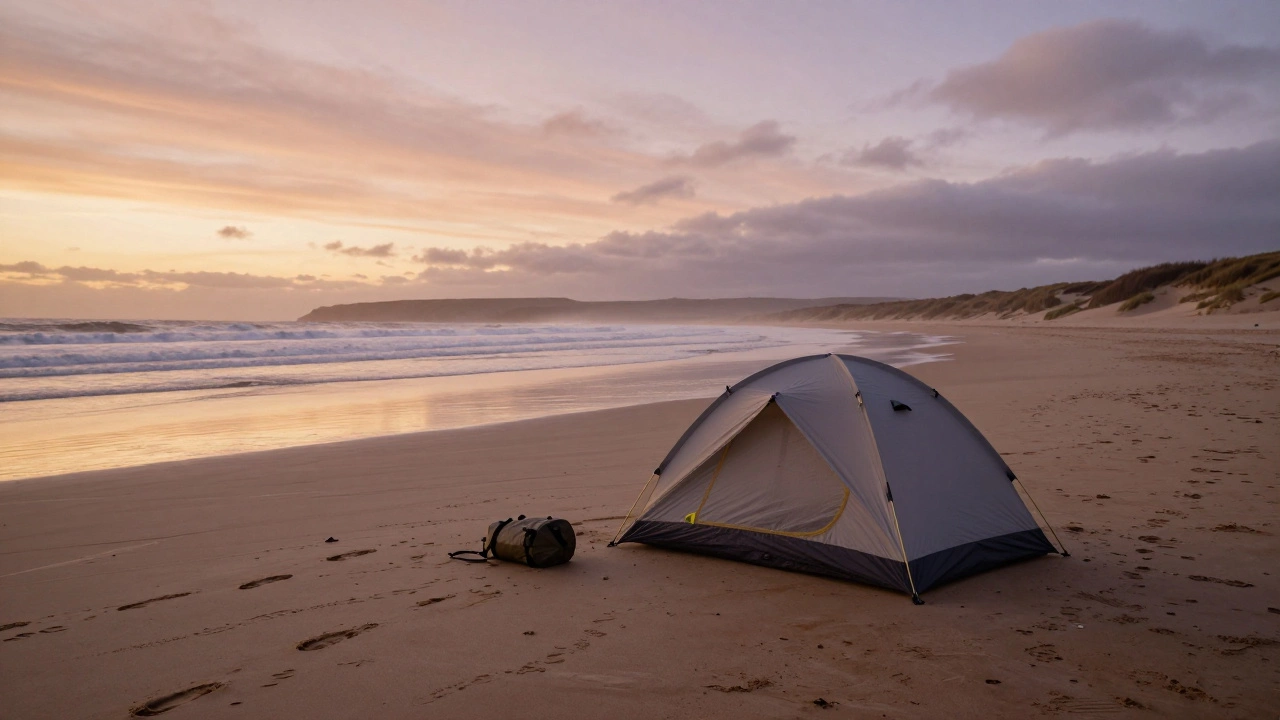
Can You Sleep in a Tent on the Beach in the UK? Here’s What You Need to Know
Jan, 8 2026|0 CommentsCan you sleep in a tent on the beach in the UK? The answer varies by region. Scotland allows it with responsibility; England and Wales mostly don’t. Learn where it’s legal, what the fines are, and safer alternatives. -
 VIEW POST
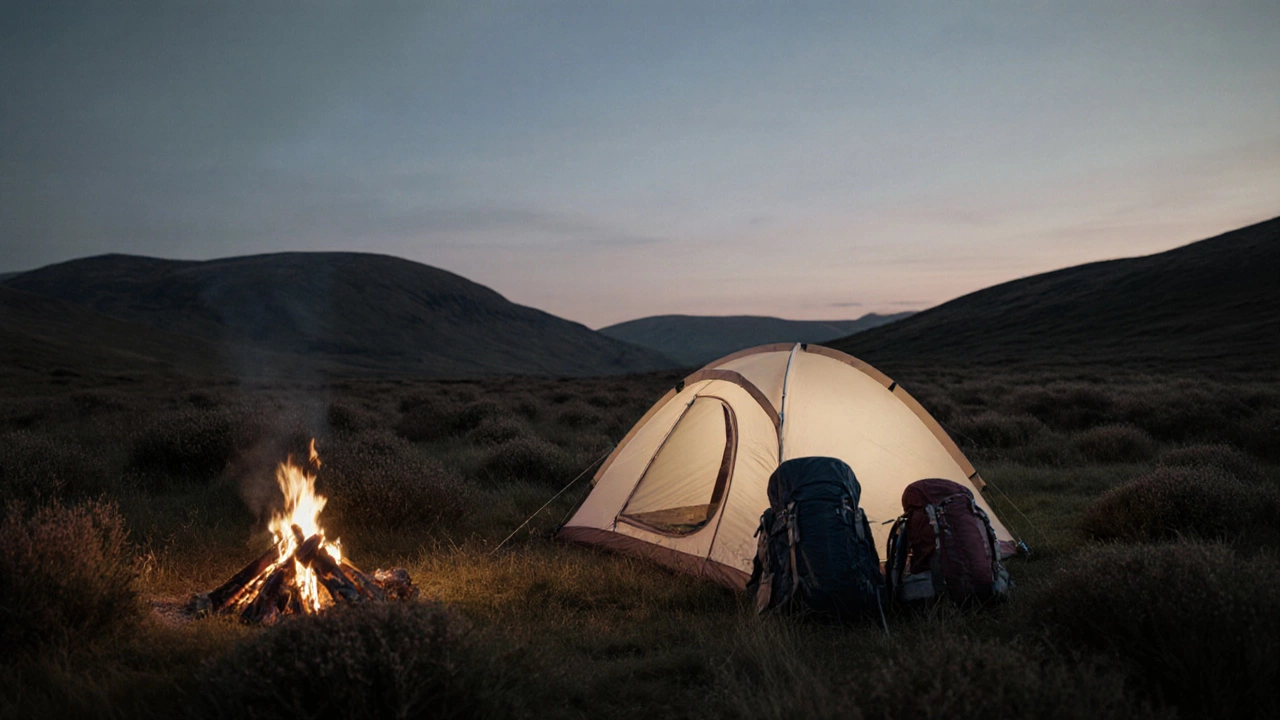
How Long Can You Camp on Your Own Land in the UK Without Permission?
Nov, 17 2025|0 CommentsIn the UK, you can camp on your own land for up to 28 days a year without permission. Beyond that, you need planning approval - even if you're not charging anyone. Here's what the law really says.