Can You Sleep in a Tent on the Beach in the UK? Here’s What You Need to Know
 Jan, 8 2026
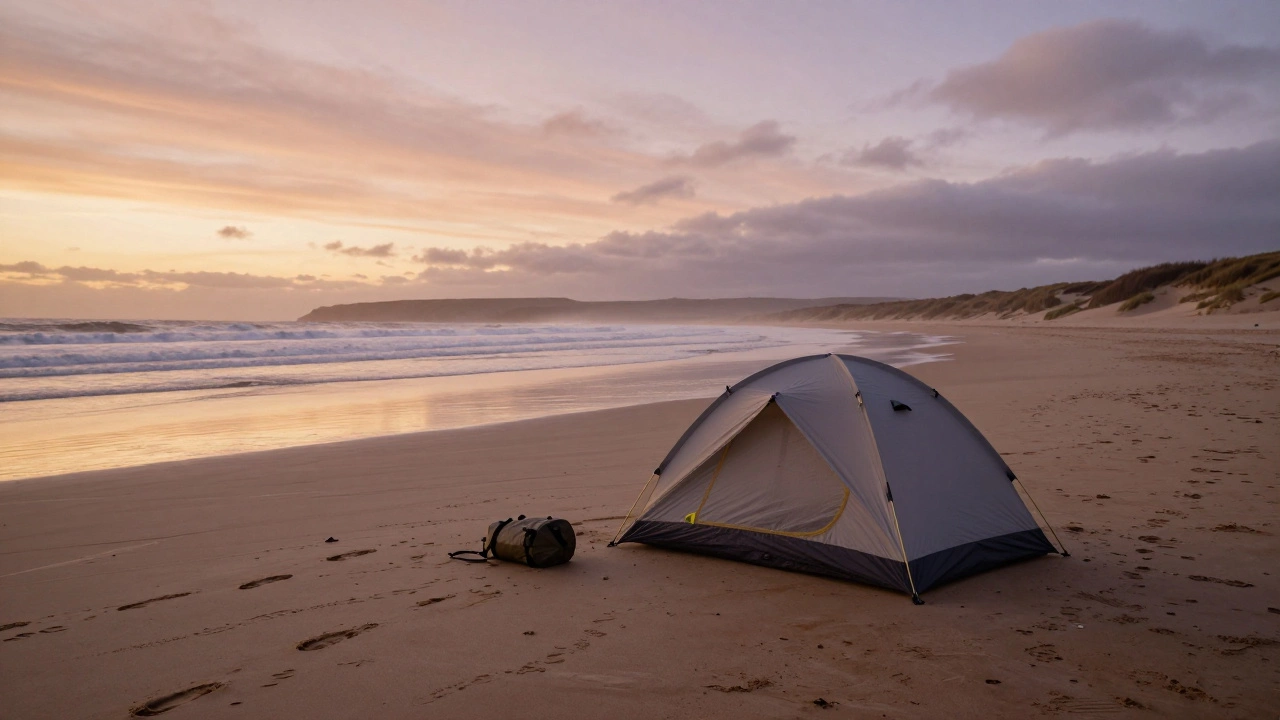
You’ve seen the photos: a tent pitched just feet from the tide line, waves rolling in as the sun sets behind dunes, no one else in sight. It looks like pure freedom. But can you actually sleep in a tent on the beach in the UK? The short answer: sometimes - but it’s not as simple as showing up with a sleeping bag and calling it a night.
It Depends on Where You Are
The UK isn’t one country when it comes to camping laws. Scotland, England, Wales, and Northern Ireland all have different rules. And even within those, local councils and landowners hold real power.
In Scotland, the right to roam is written into law. You can legally camp on most beaches, including remote ones like Sandwood Bay or the Isle of Mull, as long as you follow the Scottish Outdoor Access Code. That means leaving no trace, avoiding private property, not lighting fires, and keeping groups small. Many beach campers in Scotland do exactly that - and get away with it.
In England and Wales, it’s a different story. There’s no general right to camp anywhere. Most beaches are either privately owned, managed by local councils, or part of protected nature reserves. Pitching a tent without permission there is trespassing. That includes popular spots like Bournemouth, Tenby, or Newquay. Signs often say "No Camping" - and they’re enforced.
There are exceptions. A few beaches in England, like parts of the Northumberland coast or the Llyn Peninsula in Wales, are tolerated for wild camping if you’re discreet, leave no trace, and move on after one night. But tolerance isn’t legality. One ranger’s wink doesn’t mean another’s won’t issue a fine.
Why Beach Camping Is Risky in England and Wales
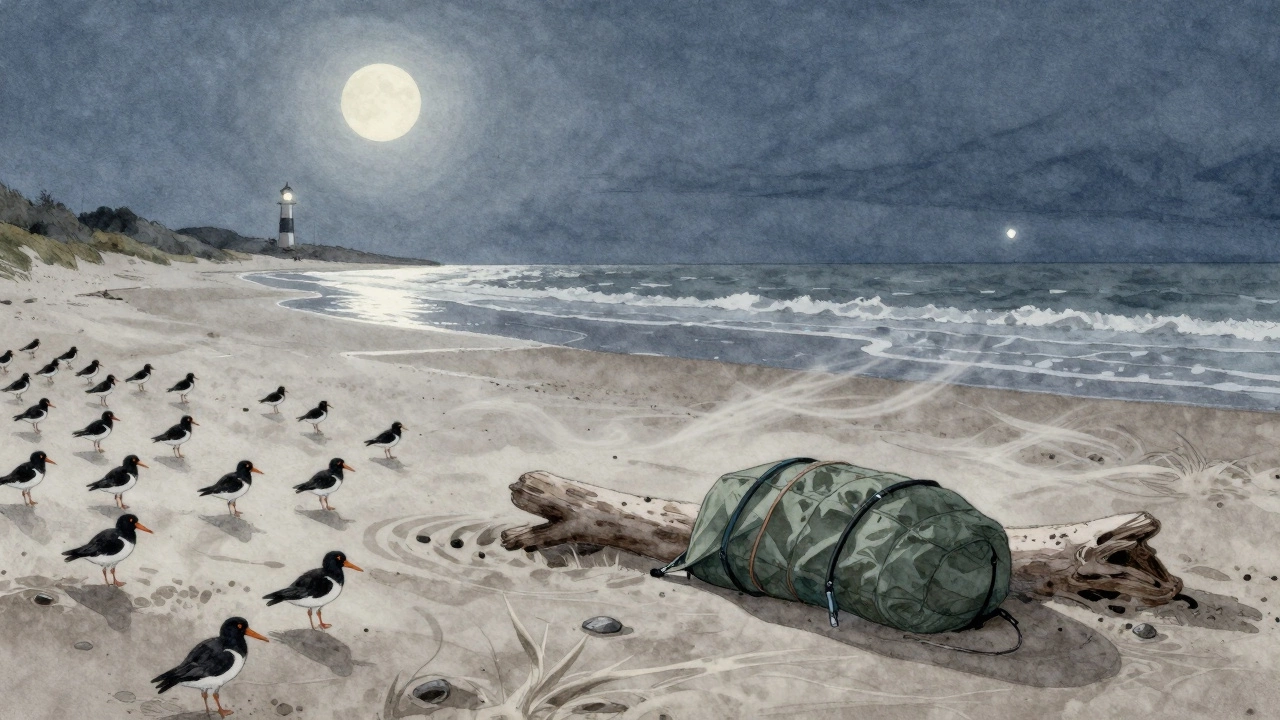
Beaches aren’t just sand and sea. They’re often protected habitats. Seabirds nest in dunes. Terns and oystercatchers lay eggs in shallow scrapes right where you might pitch your tent. Disturbing them can break the Wildlife and Countryside Act 1981.
Also, many beaches are part of Sites of Special Scientific Interest (SSSIs). Camping in these areas without a permit is illegal. Even if you don’t see signs, the law still applies. Natural England and Natural Resources Wales actively monitor these zones.
Then there’s the practical side. Tides. Wind. Sand in your sleeping bag. A tent pitched too close to the waterline can get flooded overnight. One camper in Cornwall told me his tent filled with seawater after a surprise high tide. He lost his sleeping pad, his phone, and his trust in beach camping.
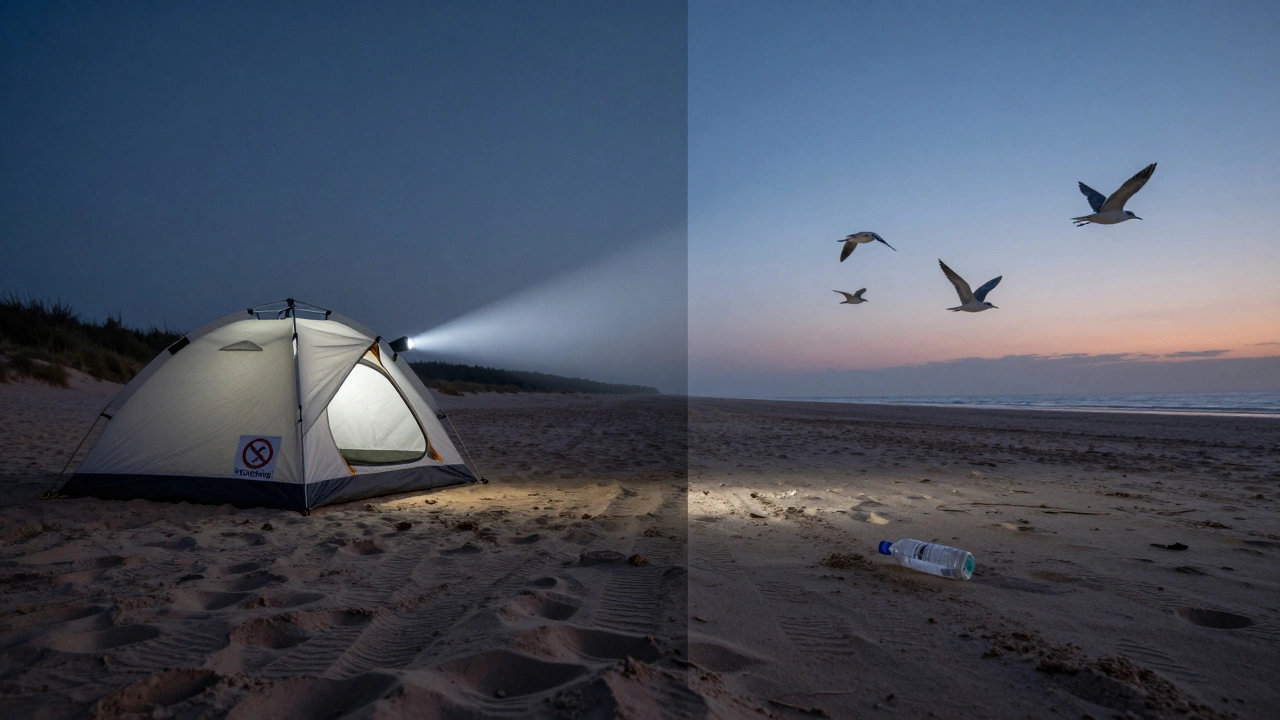
And let’s not forget litter. Beaches get crowded in summer. If you leave behind a single plastic bottle or a torn tent fly, you’re not just being rude - you’re adding to a problem that costs councils millions to clean up each year.
Where It’s Actually Allowed (and Safe)
If you want to camp on a beach legally in the UK, you have a few real options.
- Scotland: Beaches like Camusdarach, Achmelvich, and Traigh Mhòr on the Isle of Skye are popular with wild campers. Stick to the high tide line, avoid private land, and don’t stay more than two nights in one spot.
- Isle of Arran: The west coast has several spots where locals and visitors camp without issue - as long as you’re quiet and pack everything out.
- Northumberland: The coast between Bamburgh and Holy Island has stretches where wild camping is tolerated, especially near the Farne Islands. But check with the National Trust - some areas require permits.
- Wales: The Llyn Peninsula and parts of Pembrokeshire’s coast have informal tolerance, especially outside peak season. But avoid beaches with lifeguards or marked bathing areas.
Always ask landowners or local councils before setting up. A quick call to the council’s recreation department can save you a £100 fine.
What Happens If You Get Caught?
Most of the time, you’ll just be asked to leave. But if you’re seen as a repeat offender, or if you’ve caused damage, you could face a fine.
In England, local councils can issue Fixed Penalty Notices (FPNs) under the Environmental Protection Act 1990. These typically start at £75 and can rise to £1,000 if unpaid. In some cases, police have used anti-social behavior laws to remove campers.
There’s no national database of beach camping fines, but councils in Cornwall, Devon, and Dorset have increased enforcement since 2022. A 2023 report from the Marine Conservation Society showed a 40% rise in complaints about illegal camping on beaches.
Don’t assume you’ll get a warning. If you’re caught with a tent up after dark on a restricted beach, you might be given 30 minutes to pack up - or you’ll be asked to leave by police.
Alternatives That Are Safer and Legal
You don’t need to break the law to get that beach experience.
- Book a campsite with beach access: Places like Sea View Holiday Park in North Devon or Whitesands Bay Caravan Park in Pembrokeshire let you pitch within 100 meters of the shore. You get toilets, showers, and legal peace of mind.
- Use a wild camping app: Apps like CamperMate and Wild Camp list legal spots in Scotland and Wales. They include maps, user reviews, and recent enforcement alerts.
- Try a bivvy bag: If you’re after solitude, a lightweight bivvy bag lets you sleep close to the water without a tent. It’s less visible, less damaging, and often overlooked by rangers.
- Go in the off-season: October to March, most beaches are empty. Fewer people, fewer rules enforced. Just be prepared for cold, wind, and rain.
What You Should Never Do
Even if you think you’re being "responsible," some actions will get you in trouble:
- Don’t light a fire on a beach - it’s almost always banned, and it damages dune ecosystems.
- Don’t camp near signs that say "No Camping," "Protected Area," or "Nesting Site."
- Don’t stay more than one night in the same spot - it’s the biggest trigger for complaints.
- Don’t bring dogs off-leash. Many beaches have seasonal dog bans to protect birds.
- Don’t assume "no one’s around" means it’s okay. Drones, cameras, and CCTV are common on popular coasts.
Bottom Line: Plan Ahead, Respect the Land
Sleeping on a beach in the UK isn’t impossible - but it’s not a free-for-all. The difference between a memorable night under the stars and a fine on your doorstep comes down to one thing: respect.
If you’re in Scotland, you’re mostly good to go - just follow the code. In England and Wales, you’re better off booking a site or using a bivvy bag in a tolerated area. Know the rules before you go. Talk to locals. Check council websites. Look for recent photos on social media - if people are camping there and not getting fined, it’s a clue.
The beach isn’t yours to claim. It belongs to the birds, the tides, the next visitor, and the next generation. Camp like you’re a guest - not an owner.
Is it legal to sleep on the beach in England?
No, it’s generally not legal. Most beaches in England are privately owned or managed by local councils, and camping without permission is trespassing. There are rare exceptions where it’s tolerated, but that’s not the same as being legal. Always check local bylaws before pitching a tent.
Can I camp on the beach in Scotland?
Yes, under the Scottish Outdoor Access Code. You can camp on most beaches as long as you’re discreet, leave no trace, avoid private property, and don’t stay more than two nights in one place. Popular spots include Camusdarach and the Isle of Skye. Always follow the code - it’s the law.
What’s the fine for illegal beach camping in the UK?
Fines vary by location but typically start at £75 for a Fixed Penalty Notice in England and Wales. If unpaid, they can rise to £1,000. In protected areas like SSSIs, fines can be higher. Police can also use anti-social behavior laws to remove campers.
Can I use a bivvy bag on the beach?
Yes - and it’s often a better option than a tent. Bivvy bags are low-profile, cause less environmental damage, and are less likely to attract attention. In Scotland, they’re widely accepted. In England and Wales, they’re still technically trespassing if used on private land, but they’re rarely targeted unless you’re in a restricted zone.
Are there any beaches in Wales where wild camping is allowed?
There’s no official right to wild camp in Wales, but some areas like the Llyn Peninsula and parts of Pembrokeshire are tolerated if you’re quiet, leave no trace, and move on after one night. Avoid beaches with lifeguards, signs, or nesting birds. Always check with Natural Resources Wales for updates.
Is beach camping safe in winter?
It can be - if you’re prepared. Winter beaches are quieter, and enforcement is lower. But wind, rain, and cold are serious risks. Tides can be unpredictable. Always check weather forecasts, bring insulated gear, and never camp in low-lying areas. A bivvy bag with a waterproof groundsheet is better than a tent in stormy conditions.