Illegal Camping England: What’s Legal, What’s Not, and Where You Can Really Stay
When people talk about illegal camping England, the term refers to sleeping overnight in a vehicle or tent on land without the landowner’s permission, which is generally not allowed under English law. Also known as wild camping, it’s a gray area that confuses even experienced campers. Unlike Scotland, where wild camping is widely accepted, England has strict rules—and most public land, including national parks, doesn’t let you just pull over and sleep. The law doesn’t say you can’t camp everywhere, but it does say you can’t do it without permission. That’s the key difference.
Many assume that if no one stops you, it’s okay. But that’s not how it works. Landowners in England have the right to ask you to leave, and local councils can issue fines if you’re seen as causing a nuisance or damaging the environment. stealth camping UK, a practice where people camp discreetly without drawing attention. Also known as hidden camping, it’s a workaround many use—but it still carries risk. You might not get caught, but if you’re spotted near a popular trail, picnic area, or protected wildlife zone, you’re likely to be asked to move. Even if you leave no trace, the act itself can be considered trespassing.
There are exceptions. Some landowners allow camping for a small fee, and a few areas—like parts of Dartmoor—have long-standing informal rights. But these aren’t laws, they’re traditions. The camping laws UK, a patchwork of local bylaws, national park regulations, and common land rules vary by county. In some places, you can camp for up to 28 days on your own land. In others, even a single night on a roadside verge can trigger a complaint. The legal camping spots England, officially permitted areas like designated campsites, caravan parks, and approved wild camping zones are clearly marked and often require booking. Skipping them isn’t worth the risk of a £100+ fine or a police visit.
What most people don’t realize is that the issue isn’t just about law—it’s about respect. The same spots that look empty at dawn are often used by farmers, hikers, or conservation groups during the day. Camping illegally can lead to litter, noise, and damage to fragile ecosystems. That’s why many local groups now push for more legal, low-impact sites instead of cracking down on everyone. The solution isn’t stricter rules—it’s better access.
You’ll find plenty of posts here that break down exactly where you can camp without permission, how to avoid trouble, and what gear helps you stay under the radar. Some explain the 36 rule, others detail how to read land ownership maps, and a few share real stories from people who’ve been asked to leave—and how they handled it. Whether you’re planning a weekend escape or a full motorhome tour, knowing the difference between illegal camping England and legal alternatives isn’t just smart—it’s essential. The next time you’re wondering if you can sleep by that lake or under that tree, you’ll know exactly what to check before you pitch your tent.
-
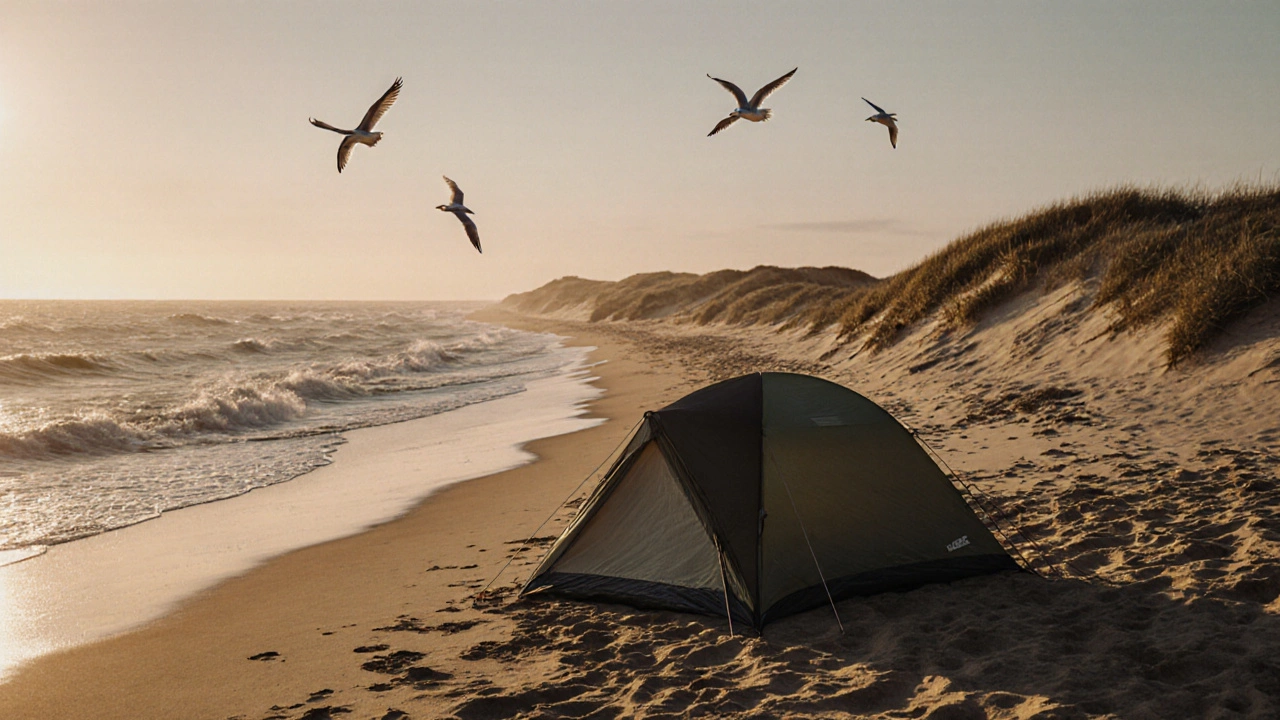 VIEW POST
Is It Illegal to Camp on the Beach in England? The Real Rules
Nov, 16 2025|0 CommentsCamping on beaches in England isn't automatically illegal-but it's rarely allowed without permission. Learn where you can camp legally, what happens if you get caught, and safer alternatives for beachside nights.