Free Camping Florida: Where to Sleep for Free and What You Can't Ignore
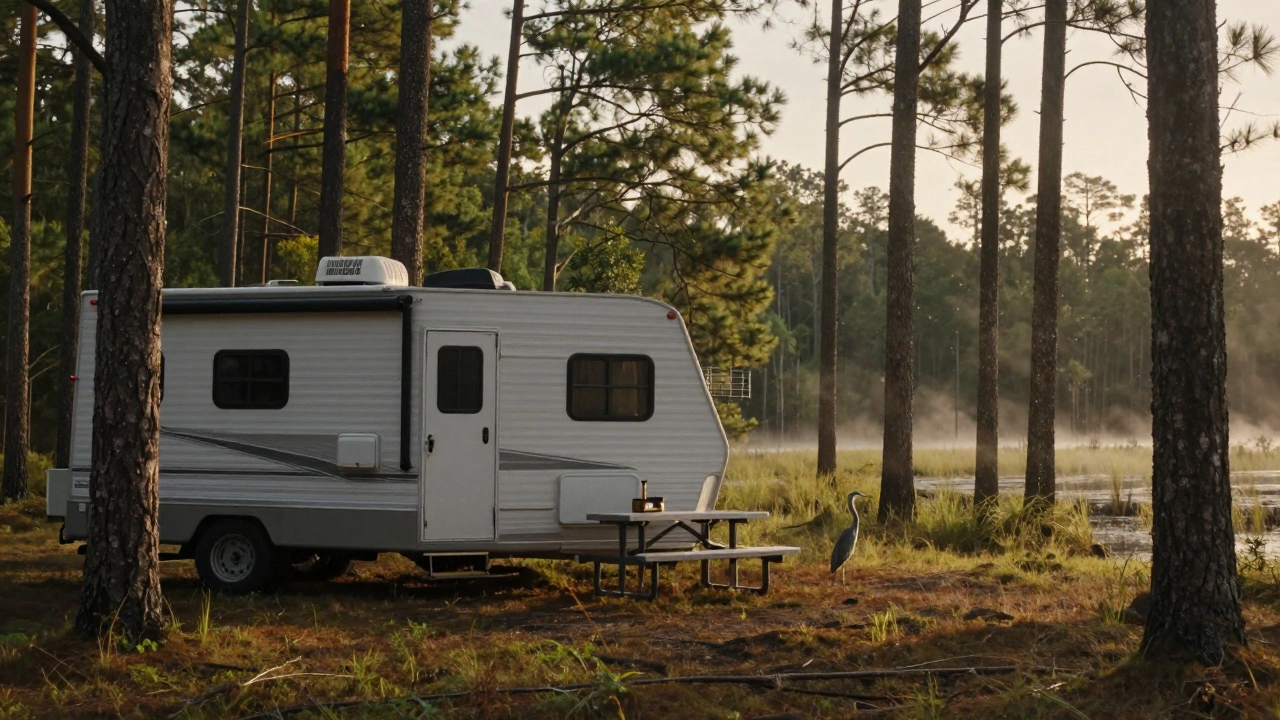
When you think of free camping Florida, the act of sleeping overnight in an RV or tent without paying a fee, often on public or undeveloped land. Also known as boondocking, it’s a popular way to stretch your travel budget while soaking up Florida’s pine forests, coastal dunes, and quiet state lands. But here’s the catch: just because you can pull over doesn’t mean you’re legal. Unlike some western states, Florida doesn’t have wide-open public lands for random overnight stops. Most free spots are either tightly controlled, seasonal, or quietly tolerated—not officially permitted.
That’s why knowing the difference between wild camping Florida, camping on undeveloped land without facilities, often in state forests or along rural roads and RV free parking, using retail parking lots, rest areas, or public land to sleep overnight in a motorhome matters. You might see people sleeping at Walmart or rest stops, but those aren’t guaranteed. Some towns ban it. Others fine you. And Florida’s weather? Humid nights, sudden storms, and mosquitoes make comfort a real challenge—even if the price is zero.
What actually works? A few state forests like Ocala or Apalachicola allow dispersed camping for free, but you need to know where to look. Some county parks let you stay overnight if you’re just passing through. And yes, there are hidden spots along the Florida Keys and in the Panhandle where locals quietly camp—but you won’t find them on Google Maps. You need local knowledge, respect for wildlife, and a backup plan when rangers show up.
Don’t assume free means easy. Florida’s rules are strict, enforcement is growing, and fines can hit $500. But if you play it smart—stick to known legal zones, leave no trace, and avoid crowded areas—you can enjoy nights under the stars without paying a dime. The posts below dig into real examples: where people actually sleep for free, what happens when they get caught, and how to avoid the biggest mistakes. No fluff. Just what works.
-
 VIEW POST
Can I Boondock in Florida? Your Complete Guide to Free Camping in the Wild
Dec, 1 2025|0 CommentsLearn where, when, and how to boondock legally in Florida. Discover free camping spots in national forests, rules to avoid fines, weather dangers, and essential gear for safe wild camping.