Florida Public Lands: Where to Camp Legally and What You Can't Do
When you think of Florida public lands, areas owned and managed by state or federal agencies for public use, including state parks, national forests, and wildlife management areas. Also known as public camping areas, these lands offer some of the most affordable and scenic spots to sleep under the stars in the Sunshine State. But here’s the catch: just because it’s public doesn’t mean you can camp anywhere. Many people assume if it’s not private property, it’s fair game. That’s not true—and it’s how you end up with a ticket, a forced eviction, or worse, a wildfire.
Florida’s wild camping, the practice of camping outside designated campgrounds without reservations or facilities. Also known as dispersed camping, it’s allowed in certain parts of the national forests, federally managed lands like the Ocala National Forest and Apalachicola National Forest that permit low-impact, temporary stays. But even there, you can’t just roll up anywhere. You need to stay at least 150 feet from water sources, avoid protected wildlife zones, and never burn trash. And don’t even think about camping in state parks, managed by Florida State Parks, which require reservations and fees for overnight stays. Those aren’t free-for-alls—they’re carefully regulated to protect ecosystems and visitors alike.
Some folks try to sneak in overnight parking at rest areas or roadside pull-offs, thinking it’s the same as boondocking. But Florida law is clear: sleeping in your vehicle at a rest stop is not allowed unless you’re a commercial driver taking a mandatory break. And while Walmart parking lots are a common workaround for RVers elsewhere, Florida’s state and local governments have cracked down hard on overnight stays in public lots—even if Walmart doesn’t officially ban it, local police often will.
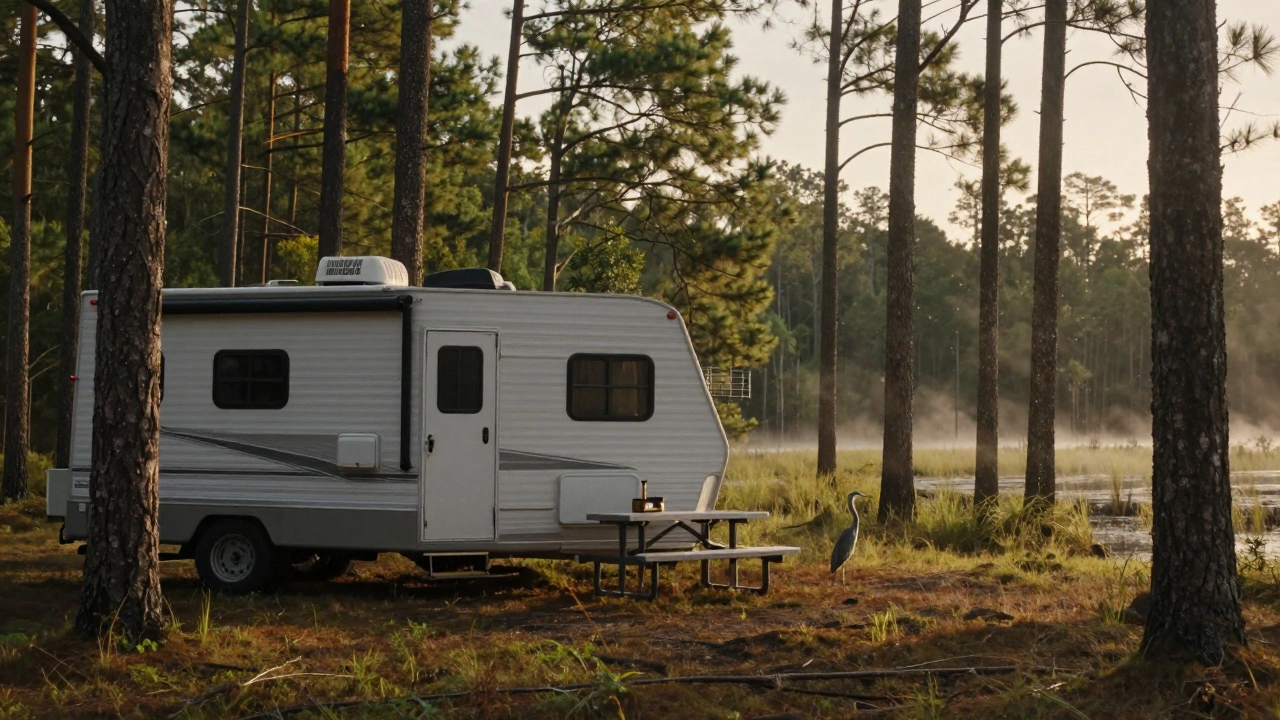
If you’re looking to save money and get off the grid, your best bets are the national forests and a few specific wildlife management areas that allow primitive camping. Places like the Ocala National Forest and Apalachicola National Forest have designated primitive sites with fire rings and vault toilets. You won’t find Wi-Fi or showers, but you’ll get solitude, wildlife, and clean air. Just remember: no fires during dry season, pack out all trash, and never cut live trees for firewood. These aren’t suggestions—they’re rules with fines up to $500.
What you’ll find in the posts below isn’t just a list of places to camp. It’s the real talk about what works, what gets you in trouble, and how to avoid the mistakes most first-timers make. From legal loopholes in Florida’s forest laws to why vaping in the woods is a bad idea, these stories come from people who’ve been there. No fluff. No hype. Just what you need to know before you roll out.
-
 VIEW POST
Can I Boondock in Florida? Your Complete Guide to Free Camping in the Wild
Dec, 1 2025|0 CommentsLearn where, when, and how to boondock legally in Florida. Discover free camping spots in national forests, rules to avoid fines, weather dangers, and essential gear for safe wild camping.