England Camping Guide: Where to Sleep, What’s Legal, and How to Stay Safe
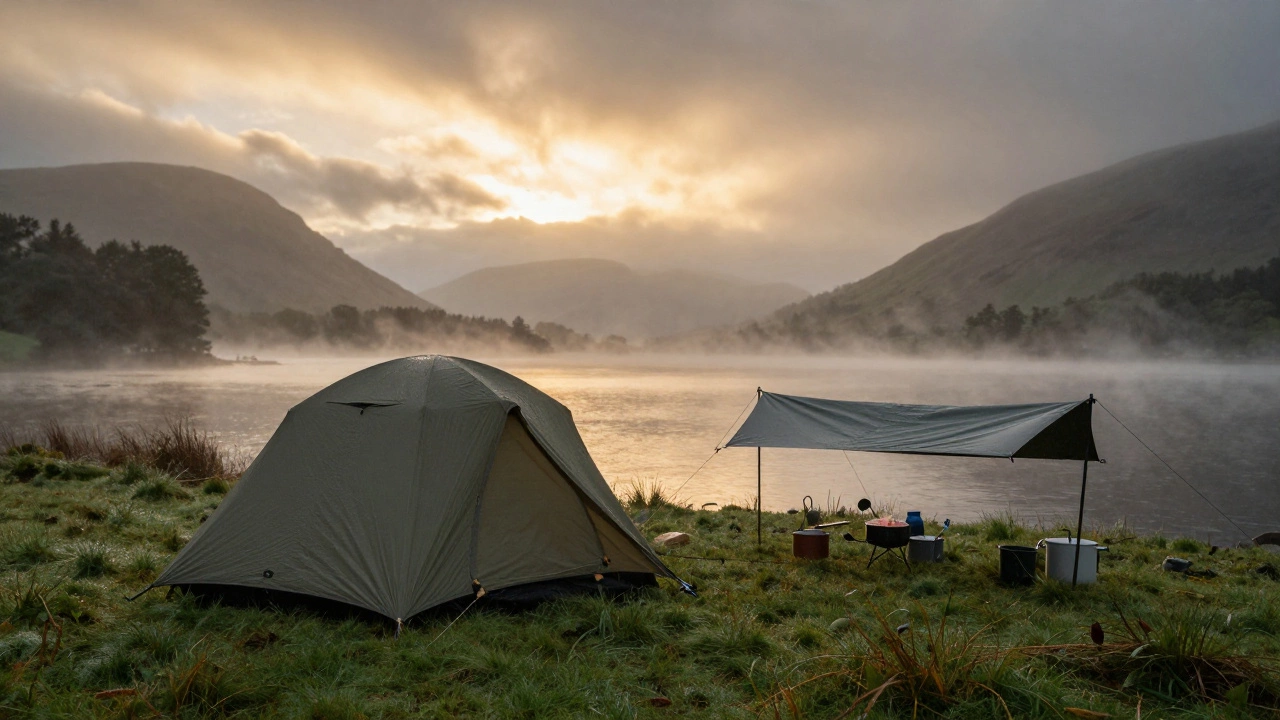
When you think of England camping, the act of spending overnight stays outdoors in tents, campervans, or motorhomes across England’s landscapes. Also known as wild camping, it’s not as simple as pitching a tent anywhere you like. Unlike Scotland, where wild camping is widely accepted, England has tight rules—and most of the time, it’s illegal without permission. That doesn’t mean you can’t camp, though. It just means you need to know where, when, and how to do it right.
The biggest confusion? People assume that if land looks empty, it’s fair game. But in England, nearly all land is privately owned—even if it’s a field next to a trail or a stretch of beach. Camping on private land, staying overnight on someone else’s property without consent can land you with a fine or a warning from the police. The law lets you camp on your own land for up to 28 days a year, but that’s it. Beyond that, you need planning permission—even if you’re not charging anyone. And if you try to camp on a beach? It’s not automatically illegal, but it’s almost never allowed without the landowner’s okay. Some beaches, like those in the Lake District or along the South Coast, have designated spots. Others? You’ll be asked to leave, no questions asked.
Then there’s the issue of safety and respect. Wild camping, sleeping in remote areas without facilities isn’t just about finding a spot—it’s about leaving no trace. That means packing out every bit of trash, avoiding fires near dry grass, and keeping noise down after dark. You also can’t just dump greywater or use a portable toilet anywhere. Many campsites and public lands have strict rules about waste, especially near water sources. And don’t forget wildlife. Keeping food in your tent? Bad idea. Bears aren’t a problem in England, but foxes and badgers will tear into unsecured snacks—and they’ll leave your gear in shreds.
What makes this guide different? We’re not here to scare you off camping. We’re here to help you do it right. The posts below break down exactly where you can legally camp in England—from hidden spots in national forests to quiet corners of the coast. You’ll find out how to avoid getting fined, what gear actually matters for a night under the stars, and how to handle it if someone tells you to leave. We cover beach camping rules, what happens if you’re caught wild camping, and even how to find free overnight spots for your motorhome without breaking the law. No fluff. No guesswork. Just real, practical info from people who’ve been there—and learned the hard way.
-
 VIEW POST
Is England Good for Camping? Real Talk on Sites, Weather, and Rules
Dec, 4 2025|0 CommentsEngland offers surprisingly good camping with diverse sites, from wild spots in Dartmoor to family-friendly parks. Know the rules, pack for rain, and you'll find quiet beauty in its landscapes.