Dispersed Camping Florida: Where to Go, What's Legal, and How to Stay Safe
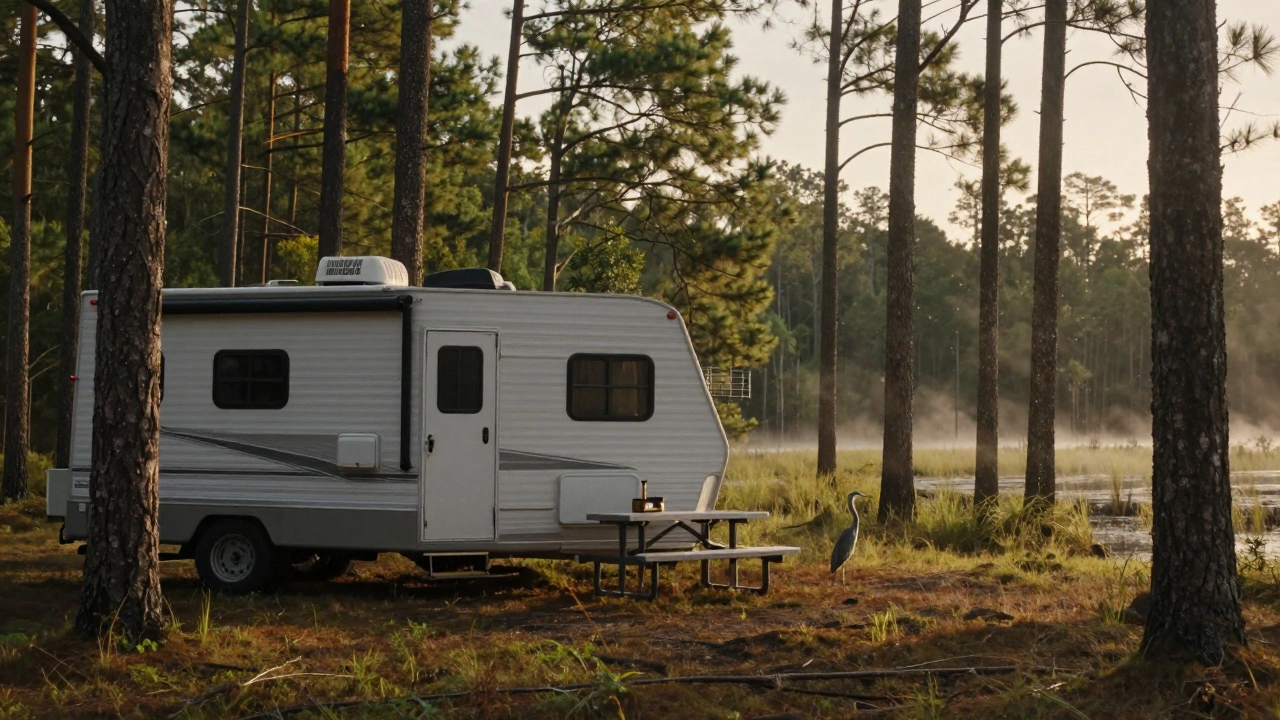
When people talk about dispersed camping Florida, camping outside designated campgrounds without hookups or fees. Also known as wild camping, it’s the idea of pulling off a quiet road, setting up under the trees, and sleeping under the stars—no reservations, no fees, just nature. But in Florida, that dream doesn’t always match reality. Unlike the wide-open public lands of the West, Florida’s dispersed camping rules are tangled in state parks, private property, wetlands, and wildlife protection zones. Just because you can pull over doesn’t mean you can stay.
Many assume that if it’s not marked "No Camping," it’s okay. That’s a dangerous assumption. Florida’s wild camping Florida, camping on public land without a designated site. Also known as boondocking Florida, it’s heavily restricted outside of specific state forests and federal lands. You can’t just set up a tent in the woods near Orlando or sleep in your RV by a roadside rest area. Most state forests require permits, and even then, only in designated spots. The Everglades? Nearly all of it is protected. Coastal dunes? Illegal to camp on. Even some national forests like Osceola have strict rules—you’re often limited to established sites only.
Then there’s the legal camping Florida, knowing where you’re allowed to sleep overnight without breaking the law. Also known as forest campsites Florida, it’s less about freedom and more about knowing the fine print. Some county lands allow it with a permit. A few rural areas turn a blind eye if you’re quiet, leave no trace, and move every few days. But if you’re caught camping on state land without permission, fines can hit $500. And don’t think hiding in a Walmart parking lot will save you—Florida doesn’t allow overnight RV parking in most Walmart lots, unlike other states.
So where can you actually do it? The Florida National Scenic Trail corridor has a few spots where dispersed camping is tolerated if you’re at least 200 feet from trails and water. Some areas of the Ocala National Forest allow it with a free permit. And if you’re willing to drive farther, the Apalachicola National Forest has a handful of legal dispersed sites—but you need to check with the ranger station first. Most of these places don’t have trash cans, water, or toilets. You bring everything in and take everything out.
And don’t forget the wildlife. Florida’s full of alligators, snakes, and bears—even in places that seem quiet. You can’t just pitch a tent near a pond and assume it’s safe. The same goes for weather: sudden thunderstorms, flooding, and bugs make dispersed camping here tougher than in drier states. You need more than a sleeping bag—you need a plan.
This collection of posts doesn’t just list rules. It shows you real cases—like the camper who got fined for sleeping near a state park boundary, or the family who found a legal spot off a backroad near Lake City and stayed three nights without trouble. You’ll learn what signs to look for, how to talk to rangers without sounding suspicious, and which apps actually work for finding legal spots in Florida. No fluff. No guesswork. Just what you need to camp safely, legally, and without getting kicked out—or fined.
-
 VIEW POST
Can I Boondock in Florida? Your Complete Guide to Free Camping in the Wild
Dec, 1 2025|0 CommentsLearn where, when, and how to boondock legally in Florida. Discover free camping spots in national forests, rules to avoid fines, weather dangers, and essential gear for safe wild camping.