Campsite Food Storage: Keep It Safe, Fresh, and Legal on Your Road Trip
When you’re camping, campsite food storage, how you keep food safe from animals, heat, and spoilage while outdoors. Also known as wild camping food safety, it’s not just about keeping meals fresh—it’s about staying legal, avoiding bear encounters, and not getting kicked out of a campsite. Poor food storage isn’t just messy; it’s dangerous. A spoiled sandwich might ruin your day, but a raccoon breaking into your cooler? That could cost you a fine, a ruined trip, or worse.
Many people think their RV fridge, the refrigerator in a motorhome or campervan that runs on propane, electricity, or battery. Also known as motorhome fridge, it’s designed for travel is enough. But what happens when you’re parked under a tree in Dartmoor with no power? Or when you’re boondocking in Florida and the temperature hits 90°F by noon? Your fridge might not cut it. That’s why smart campers use coolers with ice packs, bear-proof containers, and strict rules: no food in tents, no leftovers sitting out, and never leave wrappers or grease on the picnic table. In places like The Gorge or national forests in Florida, improper food storage can lead to fines—because rangers know hungry animals become dangerous animals.
It’s not just about what you store, but how and where. In the UK, wild camping often means no bins, no fridges, no running water. You pack everything in, pack everything out. That means sealing meals in airtight containers, freezing meals ahead of time, and using insulated bags that last 24+ hours. In the US, places like Walmart parking lots or national forests have their own rules—some ban coolers entirely after dark. And if you’re using propane to run your fridge while driving? That’s a fire risk and illegal in many states. You need to know the difference between a food-safe cooler and a regular one, how long ice lasts in 85°F heat, and why peanut butter jars are worse than meat.
What you’ll find below are real stories from people who’ve learned the hard way. From a family in England who got fined for leaving snacks on their table to a couple in Florida who woke up to a raccoon chewing through their cooler. You’ll get practical tips on what gear actually works, how to plan meals so nothing goes bad, and where you can legally store food without breaking rules. No fluff. No theory. Just what works when you’re miles from a store, the sun’s blazing, and the wildlife is watching.
-
 VIEW POST
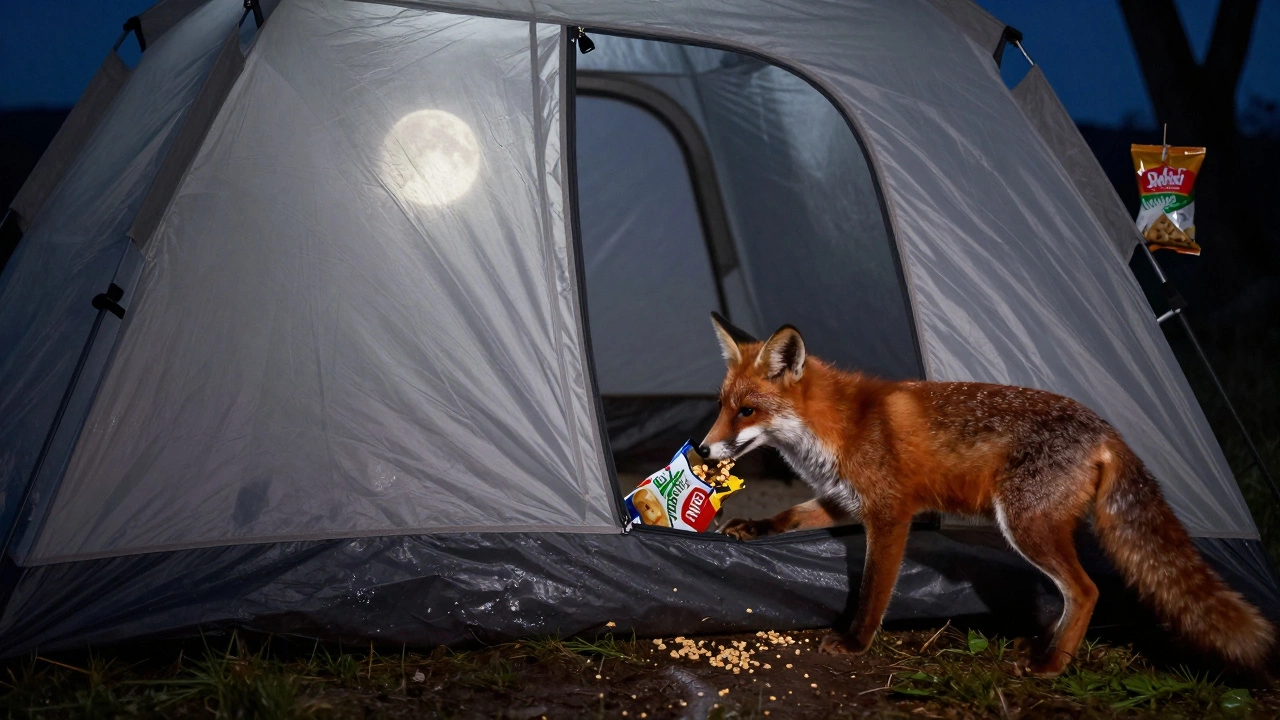
What Should You Not Keep in a Tent? Essential Do’s and Don’ts for UK Campers
Dec, 4 2025|0 CommentsLearn what not to keep in a tent when camping in the UK to avoid wildlife, mold, and accidents. Essential tips for food, gear, and safety on every campsite.