Camping in Florida Woods: Safe Spots, Rules, and What You Need to Know
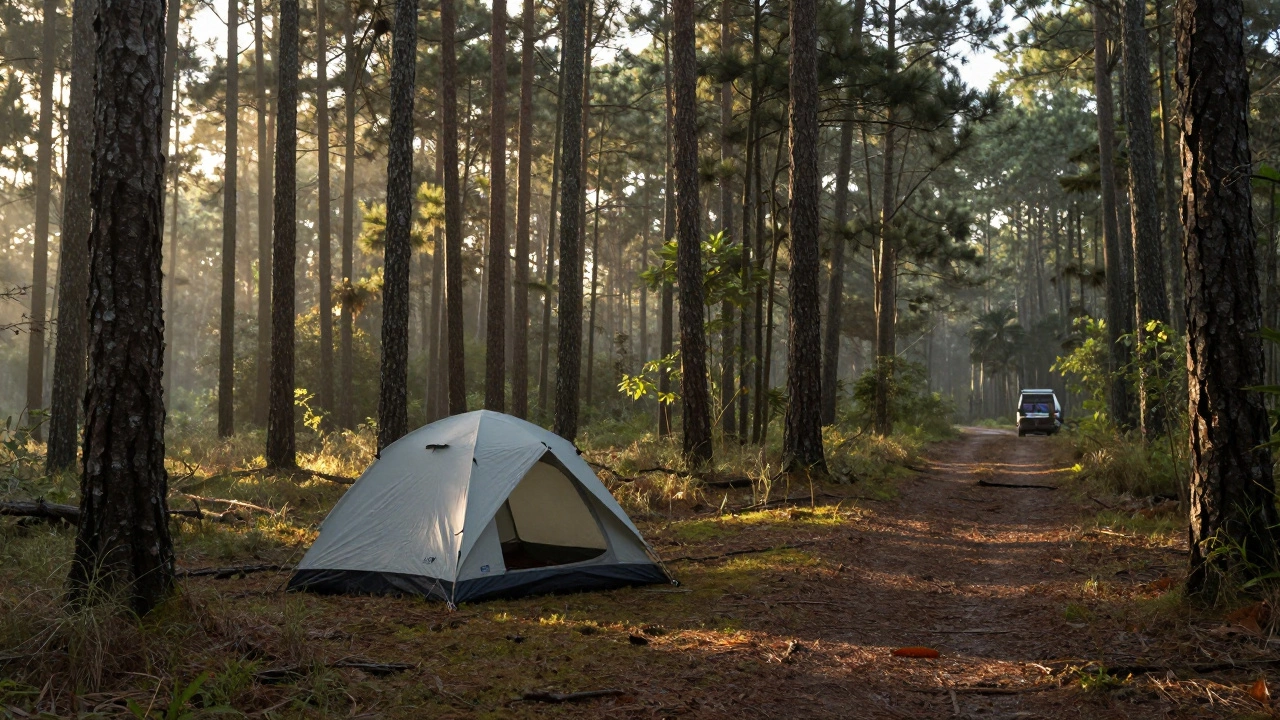
When you think of camping in Florida woods, wild, forested areas across Florida where you can sleep under the trees without a designated campsite. Also known as wild camping, it's a chance to escape crowds and hear only crickets and wind—but it’s not always legal or safe. Florida’s forests are full of life: alligators in the swamps, black bears in the north, and fire ants everywhere. You can’t just pull off the road and pitch a tent. The state has clear rules, and breaking them can mean fines, forced removal, or worse.
Boondocking Florida, free, off-grid camping on public lands without hookups or facilities. Also known as dispersed camping, is allowed in certain national forests like Osceola and Ocala—but only in specific zones. You can’t camp just anywhere. The USDA Forest Service lets you stay up to 14 days in one spot, then you must move at least 25 miles away. And no fires unless it’s a designated fire ring. Vaping? Banned. Smoking? Also banned in most areas. Why? Florida’s dry season turns pine needles into kindling. A single spark can burn thousands of acres. Then there’s free camping Florida, legal overnight stays on public land with no fees or reservations. Also known as wild camping Florida, it’s mostly limited to national forests, wildlife management areas, and some state lands. Beaches? No. State parks? Only in designated spots. Private land? Never without permission. The key is knowing exactly where you’re allowed to go—and having proof, like a printed map or official app. Weather matters too. Summer means heat, humidity, and sudden thunderstorms. Winter brings cooler nights but also more people—and more bugs. Mosquitoes aren’t just annoying; they carry diseases. Pack repellent, a headlamp, and a good tarp. And always tell someone where you’re going. Cell service is spotty, and help might be miles away.
People think Florida camping is all sunshine and palm trees, but the woods don’t care about your Instagram post. The best spots aren’t the ones with the most likes—they’re the ones that follow the rules. You’ll find real value in the posts below: where to park legally, what gear actually works in swampy heat, how to avoid bear encounters, and why so many campers get fined for things they didn’t even know were illegal. These aren’t guesses. They’re real experiences from people who’ve done it—and lived to tell the story. Let’s get you prepared, not penalized.
-
 VIEW POST
Is It Legal to Camp in the Woods in Florida? Here's What You Need to Know
Dec, 1 2025|0 CommentsIs it legal to camp in the woods in Florida? The answer isn't yes or no-it depends on where you are. Learn where you can camp legally, where you can't, and how to avoid fines while enjoying Florida's forests.