Camping in England: Where to Go, What’s Legal, and How to Stay Safe
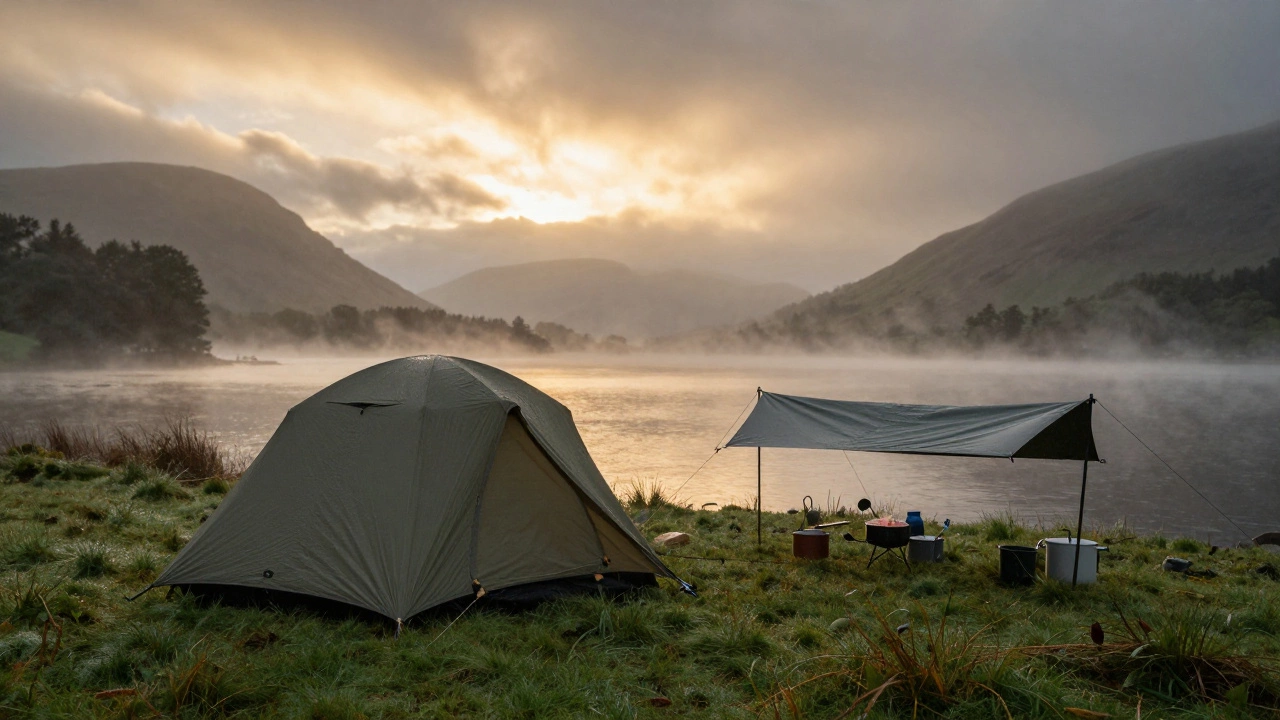
When you think of camping in England, the act of spending one or more nights outdoors in a tent, camper van, or other temporary shelter, often in natural settings. Also known as wild camping, it’s a dream for many—but the reality is far more complicated than it looks on Instagram. Unlike Scotland, where wild camping is widely accepted, camping in England is mostly illegal without permission. That doesn’t mean you can’t do it—it just means you need to know where, when, and how to do it right.
Many people assume that if a spot looks empty and pretty, it’s fair game. But land ownership in England is strict. Even if you’re not charging anyone or leaving trash, sleeping on a hillside, in a forest, or on a beach without the landowner’s consent can land you with a fine. The law says you can camp on your own land for up to 28 days a year, but that’s it. Outside of that, you’re either on public land with special rules—or breaking the law. Places like the Lake District, Dartmoor, and parts of the Peak District have unofficial tolerance for wild camping, but that’s not the same as legal permission. And beach camping? It’s rarely allowed unless it’s a designated campsite. Even then, local councils often enforce no-camping zones to protect wildlife and prevent erosion.
Then there’s the practical side. If you’re planning to camp in England, you need to think about more than just a tent. What do you do with food at night? Keep it out of your tent—bears aren’t the problem here, but rats, foxes, and badgers are. Can you smoke or vape near your campsite? Many forest areas ban it outright because of fire risk. And what about overnight parking? Some RVers try to sleep in Walmart parking lots, but that’s an American habit that doesn’t work here. Instead, look for certified sites, farm stays, or trusted apps that list legal overnight spots. Even boondocking—free, off-grid camping—is rare and risky in England. The few places it’s allowed, like some Forestry Commission land, come with strict rules about how long you can stay and what you can use.
There’s also a growing gap between what people think is okay and what the law actually says. You’ll find forums full of stories about "getting away with it," but those aren’t safe or reliable. One wrong move—like setting up near a protected bird nesting area or blocking a public footpath—and you could be asked to leave, fined, or even have your gear confiscated. The safest path? Stick to official campsites, book ahead, and respect the land. If you want freedom, know the boundaries. If you want peace of mind, know the rules.
Below, you’ll find real guides from people who’ve been there—what not to keep in a tent, how to camp legally on private land, why beach camping is trickier than it seems, and how to avoid fines while still enjoying the open air. No fluff. No guesswork. Just what works in England’s unique landscape and legal system.
-
 VIEW POST
Is England Good for Camping? Real Talk on Sites, Weather, and Rules
Dec, 4 2025|0 CommentsEngland offers surprisingly good camping with diverse sites, from wild spots in Dartmoor to family-friendly parks. Know the rules, pack for rain, and you'll find quiet beauty in its landscapes.