Camping Essentials: What You Really Need to Pack for a Safe and Smooth Trip
When you think of camping essentials, the basic gear and knowledge needed to survive and enjoy time outdoors. Also known as outdoor survival kit, it isn't just about bringing a tent and a flashlight—it's about understanding what keeps you safe, legal, and comfortable when you're far from stores or cell service. Many people assume they need every gadget on the market, but the truth? Most failed trips happen because of one missing item: the right mindset. You don’t need 12 kinds of utensils. You need a reliable stove, a way to stay dry, and a clear idea of where you’re allowed to sleep.
wild camping UK, the practice of setting up camp on public or private land without formal facilities. Also known as dispersed camping, it’s legal in very few places in England—mostly in the Lake District and parts of Scotland. In most of England, you need permission, even if you’re just pitching a tent for one night. That’s why knowing the rules isn’t optional—it’s your shield against fines or being kicked off land at dawn. And if you’re driving a motorhome, motorhome camping, using a self-contained vehicle as both transport and shelter. Also known as campervan camping, it gives you flexibility, but also more responsibility. You can’t just park anywhere, even if your fridge runs on propane and your battery lasts all night.
Then there’s camping gear, the physical tools and equipment used to make outdoor stays functional and safe. Also known as outdoor equipment, it’s not about brands—it’s about function. A good sleeping bag beats a fancy one that’s too warm for summer nights. A compact water filter matters more than a 10-liter jug you’ll struggle to carry. And don’t forget the little stuff: a multi-tool, duct tape, and a headlamp with extra batteries. These aren’t luxuries. They’re what keep you calm when the rain hits or the fire won’t light.
What you pack depends on where you go. Camping near Myrtle Beach? Bring sand-resistant gear and extra sunscreen. Sleeping in Dartmoor? Pack for wind, mud, and sudden cold snaps. Boondocking in Florida? You’ll need shade, bug spray, and a plan for water refills. The same gear that works in a UK national park might fail in a Florida forest. That’s why the best camping essentials aren’t bought in a store—they’re learned through experience, mistakes, and listening to locals.
You’ll find real stories here: what actually broke on a trip to The Gorge, why vaping at a forest site got someone fined, how one family saved hundreds by packing less, and why running your fridge on propane while driving is a bad idea—even if your cousin swears it’s fine. These aren’t theory articles. They’re lessons from people who showed up, made it work, and came back to tell you what to do—and what to skip.
Forget the checklist that’s 20 items long. Focus on the three things that keep you safe: shelter you can trust, food you can eat, and a plan that won’t get you in trouble. That’s what camping essentials really mean. Below, you’ll find real advice from real trips—no fluff, no marketing. Just what works when you’re out there, alone, and it’s starting to rain.
-
 VIEW POST
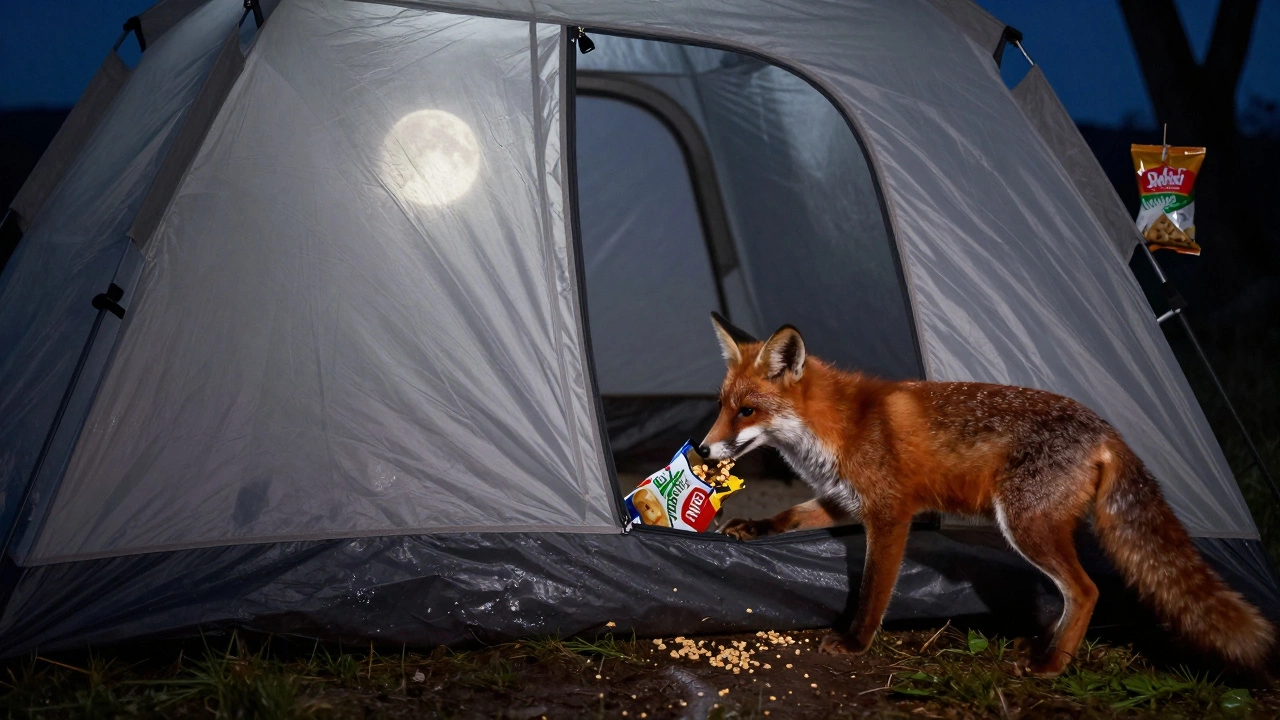
What Should You Not Keep in a Tent? Essential Do’s and Don’ts for UK Campers
Dec, 4 2025|0 CommentsLearn what not to keep in a tent when camping in the UK to avoid wildlife, mold, and accidents. Essential tips for food, gear, and safety on every campsite.