Beach Camping England
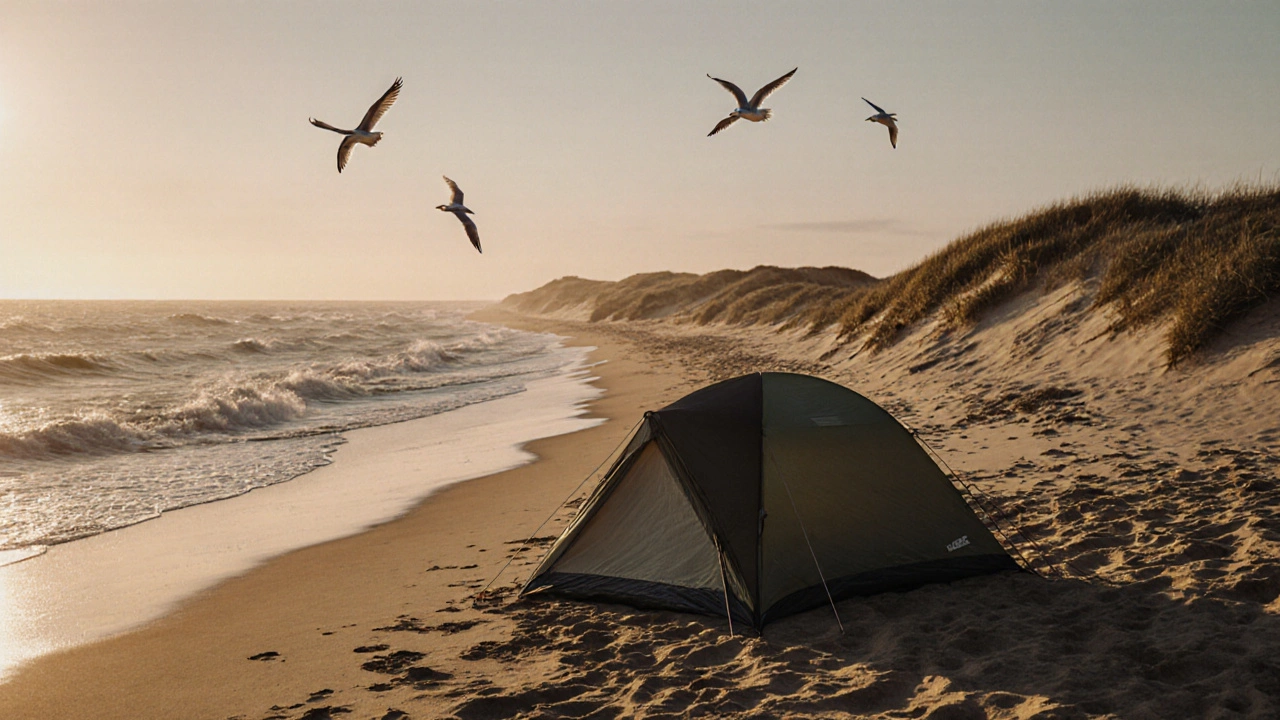
When you think of beach camping England, sleeping right on the shore with the sound of waves as your lullaby. Also known as coastal camping, it’s one of the most freeing ways to experience England’s coastline—but it’s not as simple as rolling out a sleeping bag on the sand. Most of England’s beaches are private land, managed by councils, National Trust sites, or private owners. That means beach camping England isn’t legal everywhere, even if the beach looks empty and untouched.
You can’t just pitch a tent near Brighton, Bournemouth, or Blackpool without permission. The wild camping England, sleeping outside designated campsites without permission. Also known as stealth camping, it’s technically illegal across most of England, with rare exceptions in the Lake District or Dartmoor. But there’s a difference between wild camping England, sleeping outside designated campsites without permission. Also known as stealth camping, it’s technically illegal across most of England, with rare exceptions in the Lake District or Dartmoor. But there’s a difference between legal camping England, staying on approved sites with permission, toilets, and waste disposal. Also known as official campsites, it’s the only safe, stress-free way to camp near the sea. Many beachside spots have dedicated caravan parks, holiday parks, or campgrounds that let you park your motorhome or pitch a tent within sight of the tide. These are your best bet.
Some of the best legal coastal campsites, camping spots directly on or very near the shoreline, often with sea views and easy beach access. Also known as beachfront campsites, these are scattered along the south coast, North Yorkshire, and the Isle of Wight. Places like Camber Sands, Woolacombe, or the Gower Peninsula offer spots where you can wake up to seagulls and walk to the water in minutes. But don’t assume they’re cheap or easy to book—summer weekends fill up months ahead. Even in shoulder seasons, you’ll want to reserve ahead.
And if you’re thinking of sneaking in after dark? That’s where things get risky. Local councils in places like Cornwall and Dorset have started fining people for illegal camping, especially during peak season. You might get away with it once, but you’re risking a £100+ fine, your gear being confiscated, or worse—getting caught in a tide. It’s not worth it. Stick to the official spots. They’re cleaner, safer, and often come with showers, electric hookups, and even kids’ play areas.
What you’ll find in the posts below are real, tested tips from people who’ve done it right. From which beaches let you camp legally, to what gear to bring for windy nights, to how to avoid the crowds and still get that perfect sunrise shot. You’ll learn how to find hidden gems near popular spots, how to check tide times before you go, and why a good groundsheet matters more than you think when the sand gets damp. No fluff. No myths. Just what works when you’re sleeping with the ocean right outside your door.
-
 VIEW POST
Is It Illegal to Camp on the Beach in England? The Real Rules
Nov, 16 2025|0 CommentsCamping on beaches in England isn't automatically illegal-but it's rarely allowed without permission. Learn where you can camp legally, what happens if you get caught, and safer alternatives for beachside nights.