Affordable Housing: What It Really Means for Motorhome Travelers
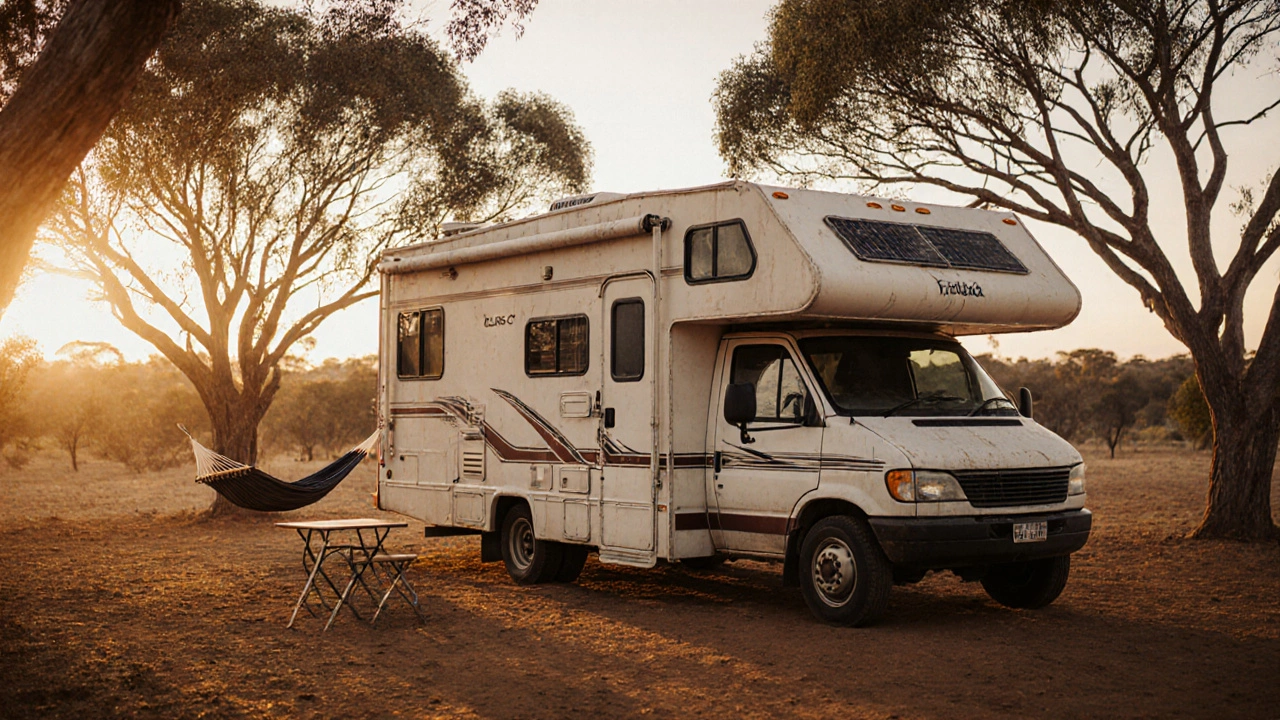
When people talk about affordable housing, a system that lets people live without spending too much on rent or mortgages. Also known as low-cost housing, it’s often thought of as small flats, social housing, or shared ownership schemes. But for thousands in the UK, affordable housing looks like a parked motorhome on a quiet stretch of land, a campervan with a kitchen, and a bed that rolls with you. This isn’t a trend—it’s a practical shift. People are choosing to live on the move because it cuts costs, removes landlord headaches, and gives back control over where they sleep.
It’s not just about saving money. motorhome living, a lifestyle where people use converted vans or campers as full-time homes. Also known as van life, it’s a direct response to rising rents, stagnant wages, and the pressure to own property in expensive cities. You don’t need a mortgage. You don’t need a deposit. You just need a vehicle, a spot to park legally, and the willingness to simplify. And that’s exactly why it’s becoming part of the affordable housing conversation. In the UK, you can legally camp on your own land for up to 28 days a year without permission. Some people stretch that by rotating between private spots, staying on friend’s land, or using designated motorhome parks at low daily rates.
Then there’s UK camping laws, the patchwork of rules that determine where and how you can sleep outdoors. Also known as wild camping regulations, they’re confusing, inconsistent, and often misunderstood. In England, most wild camping is technically illegal—unless you’re in the Lake District or Dartmoor, where it’s tolerated. In Scotland, it’s legal under the Right to Roam. But none of that stops people from doing it. Why? Because when rent is £1,500 a month and your van payment is £200, the math doesn’t lie. Stealth camping, low-cost caravan parks, and overnight stops at service stations aren’t acts of rebellion—they’re survival strategies.
And let’s not forget camper van ownership, the decision to buy or convert a vehicle to live in, rather than rent or buy a house. Also known as motorhome ownership, it’s a long-term financial choice that changes how people think about stability. A used campervan might cost £15,000. That’s less than a year’s rent in London. Maintenance? Fuel? Insurance? It adds up, sure. But you’re not paying someone else’s mortgage. You’re building something mobile, personal, and yours. And that’s why more people are seeing motorhome living not as a vacation, but as a legitimate housing option.
What you’ll find below isn’t a list of cheap places to sleep. It’s a collection of real stories, hard truths, and practical rules from people who’ve chosen a different path. From the legal limits of camping on your own land to the hidden costs of renting a motorhome, these posts cut through the noise. You’ll learn why some campsites are impossible to book, how vapes can get you kicked out of a forest, and whether bots are stealing the last free spot. This isn’t about luxury glamping. It’s about real life on the road—and what affordable housing really looks like when you’re not tied to a postcode.
-
 VIEW POST
Is it cheaper to live in an RV or a tiny home? Real costs compared
Nov, 27 2025|0 CommentsIs living in an RV cheaper than a tiny home? We break down real costs-from upfront prices to monthly bills-to show which option saves you more money long-term.