Wild Camping Toilets: How to Handle Your Business in the Great Outdoors
 Apr, 26 2026
Wild Camping Waste Decision Tool
Not sure how to handle your business? Answer a few questions to find the best method for your current location.
1. What is your primary need?
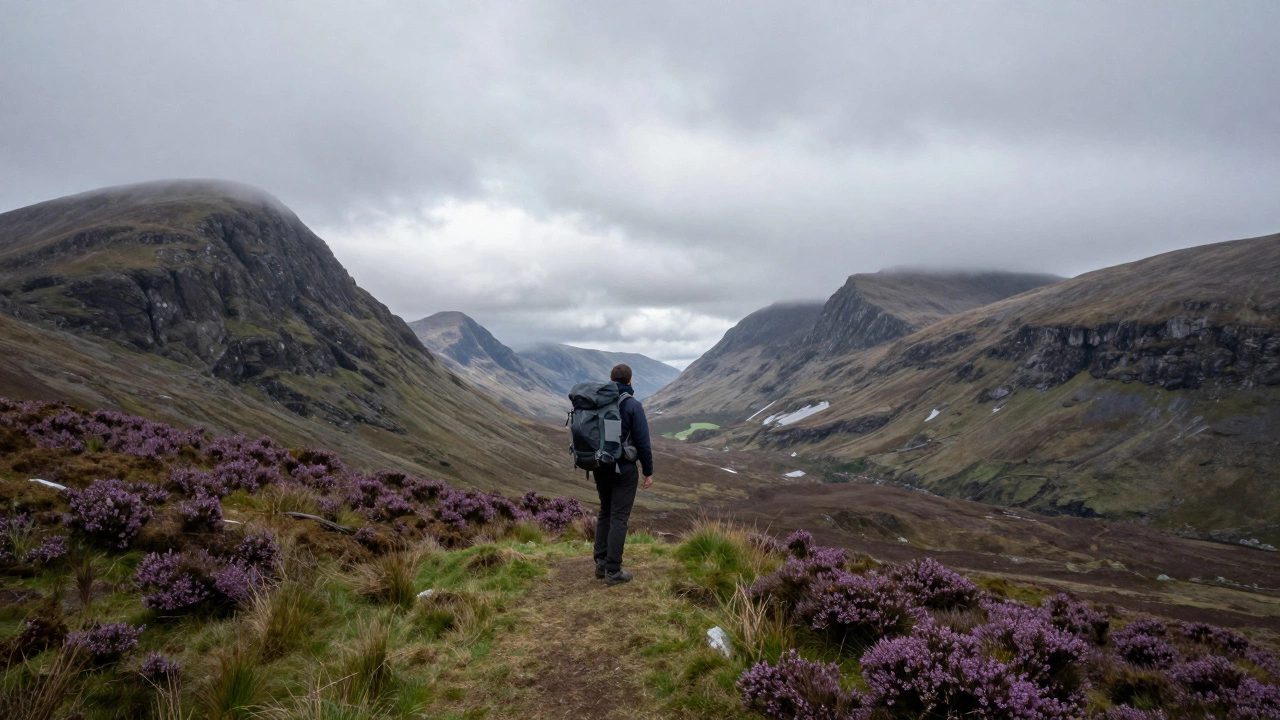
The goal is simple: leave the land exactly as you found it. Whether you're dealing with a quick midnight dash or a full-scale morning routine, the strategy changes depending on what you're actually doing. Let's get into the grit of wild camping toilets and how to manage them properly.
The Golden Rule: Leave No Trace
Before we talk about digging holes, we need to talk about the philosophy. Leave No Trace is a set of outdoor ethics designed to protect wilderness areas by minimizing human impact. When you go to the toilet in the wild, you aren't just dealing with waste; you're dealing with the local ecosystem. If you leave toilet paper or waste too close to a stream, you risk contaminating the water supply for animals and other hikers.
The most critical part of this is distance. You should always be at least 60 meters (about 70 paces) away from any water source, trail, or campsite. Why? Because water moves. Rain can wash waste from the surface into a stream faster than you'd think. If you're in a high-traffic area, like the Lake District, this rule is even more vital. Imagine the next person filtering their water from a stream, only to find out you were 'relieving yourself' just upstream an hour earlier.
Handling Number Two: The Cat Hole Method
When it's time for something more substantial than a quick pee, the Cat Hole is a small, shallow pit dug into the earth specifically for the disposal of human feces in the wild. This isn't just a random hole; it's a biological tool. The top 20 centimeters of soil are where most bacteria and fungi live-these are the organisms that break down waste.
- Find your spot: Walk 60 meters away from water and trails. Look for organic soil; avoid rocky ground or sandy areas where the waste won't decompose.
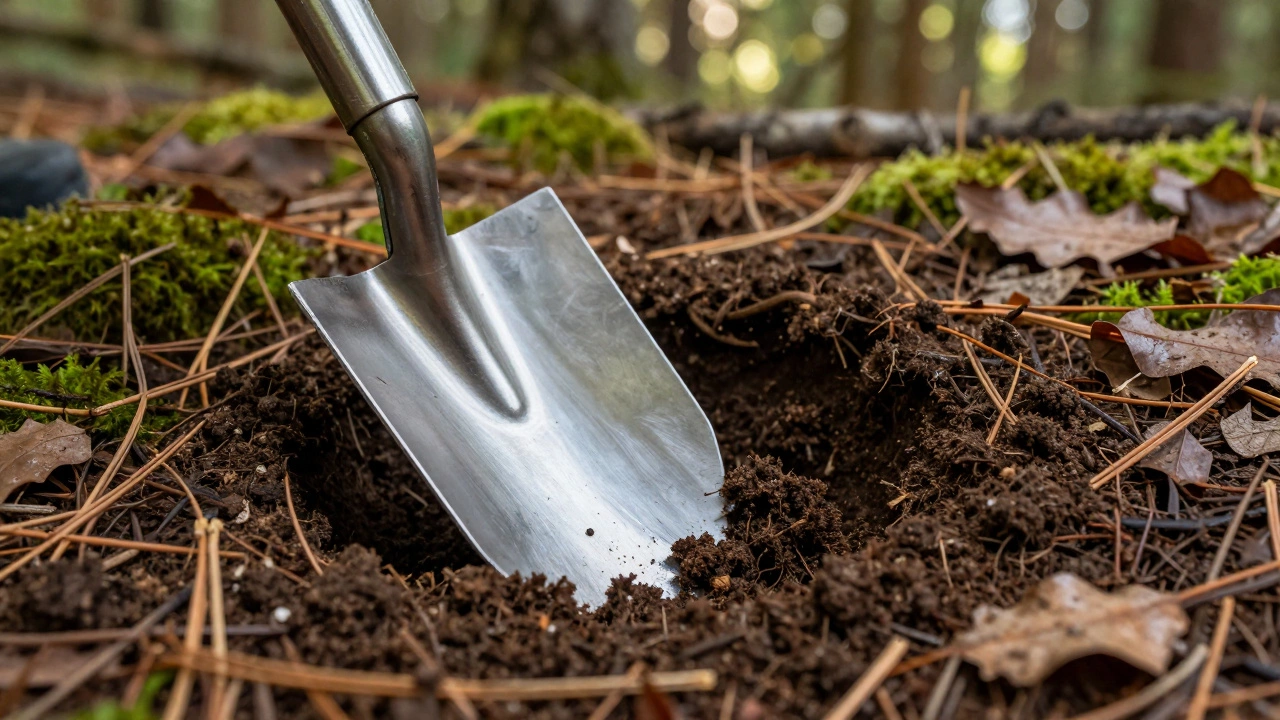
- Dig deep: Use a lightweight trowel to dig a hole about 15 to 20 centimeters (6 to 8 inches) deep and 10 centimeters wide.
- Do your business: Squat over the hole. Avoid digging the hole too wide, as this disturbs more of the soil than necessary.
- Cover and blend: Fill the hole back in with the original soil. Use your boot or the trowel to pat it down and cover it with leaf litter or pine needles so it blends into the forest floor.
What about the toilet paper? This is where most people mess up. Even 'biodegradable' paper takes a long time to break down in cold or dry climates. Your best bet is to pack it out. Put your used paper in a small, sealable plastic bag (like a zip-lock) and toss it in your trash. If you absolutely must bury it, make sure it's deep in the cat hole, but be warned: animals love to dig up buried paper.
Handling Number One: Liquid Waste
Urinating is easier, but it still requires some thought. In most environments, peeing on the ground is fine. However, if you're in a high-altitude area or a very rocky environment, the soil might be too thin to absorb the liquid, leading to runoff. In these cases, try to find a spot with more vegetation or a patch of sandy soil that can soak it up.
For those who prefer more privacy or are camping in areas where the ground is frozen, a portable Urination Bottle (often called a 'pee bottle') is a lifesaver. These are leak-proof containers that allow you to go inside your tent during a freezing winter night without having to step outside into the snow. Just remember: empty it into a cat hole or a proper toilet the next morning, not directly into a pristine lake.
Gear for the Job
You don't need a full plumbing kit, but a few specific tools make the experience much less gross. A dedicated camping trowel is non-negotiable. Don't try to use a sturdy stick or your boot; you want a clean, efficient hole. Many lightweight trowels are made of aluminum or reinforced plastic and weigh almost nothing in your pack.
If you're in a region where burying waste is prohibited (like some alpine environments or deserts), you'll need a WAG Bag. These are waste alignment and gelling bags that contain a chemical powder to neutralize odors and solidify liquid. You do your business in the bag, seal it, and carry it home. It sounds unpleasant, but in sensitive ecosystems, it's the only ethical choice.
| Method | Best For | Environmental Impact | Effort Level |
|---|---|---|---|
| Cat Hole | Forests, Grasslands | Low (if buried correctly) | Medium |
| WAG Bag | Alpine, Desert, High-Traffic | Zero (all waste removed) | High |
| Pee Bottle | Winter/Cold Weather | Low | Low |
| Portable Toilet | Van Life/Basecamp | Moderate (requires emptying) | Medium |
Hygiene and Sanitization
Keeping clean without a shower is a challenge. Avoid using scented wet wipes, as they often contain plastics and fragrances that don't break down and can irritate local wildlife. Instead, use a small microfiber cloth and a bit of water. If you use hand sanitizer, look for a biodegradable version with at least 60% alcohol. Apply it after you've finished your business and before you touch your gear.
A pro tip for the 'fresh' feeling: carry a small spray bottle with a mixture of water and a tiny drop of biodegradable soap. It’s much more effective than wipes and generates less waste. Just make sure you aren't using the soap directly in a stream; use it on a cloth and clean yourself away from the water's edge.
Common Mistakes to Avoid
One of the biggest errors is the 'shallow grave.' People dig a hole just a few centimeters deep, thinking it's enough. In reality, the wind or a curious fox can uncover that waste in minutes. Always stick to the 15-20cm depth. Another mistake is choosing the 'convenient' spot-like right behind a large rock or a fallen log. These are the exact places other hikers look for shelter or a place to sit. By choosing a spot that isn't an obvious 'toilet area,' you keep the wilderness feeling wild.
Lastly, never, ever throw your waste into a lake or river. Some people think the water will just 'wash it away.' It doesn't. It introduces bacteria and parasites into the water system, which can harm fish and make other humans sick. Even if you're on a boat, the rule remains: pack it out or find land.
Is it legal to go to the toilet while wild camping in the UK?
Yes, it is generally legal, provided you follow the Countryside Code and 'Leave No Trace' principles. In Scotland, the Right to Roam allows for wild camping, but you are expected to dispose of waste responsibly. The key is to ensure you aren't creating a public health hazard or polluting water sources.
Can I use biodegradable toilet paper?
While it's better than standard paper, 'biodegradable' is a relative term. In cold or dry climates, it can still take years to disappear. The gold standard is to pack it out in a sealable bag. If you do bury it, ensure it's deep in your cat hole, but remember that animals may still dig it up.
What is the best trowel for digging cat holes?
Look for a trowel made of anodized aluminum or high-density plastic. It should be lightweight, have a serrated edge for cutting through roots, and be about 8-10 inches long. Avoid heavy garden trowels; you want something that fits in a side pocket of your bag.
How do I handle menstruation while wild camping?
The best approach is to use a menstrual cup, as it produces zero waste. If using pads or tampons, they must be packed out. Never bury these products in a cat hole, as the plastics and synthetic materials do not decompose. Carry a dedicated 'waste bag' (opaque and sealable) to keep them until you find a bin.
What do I do if the ground is too rocky to dig?
If you're in a rocky area like a peak or a scree slope, digging is impossible. In this case, you must use a WAG bag or a similar portable waste system to pack your waste out. Leaving waste on the surface of rocks is an environmental crime and a health risk.
Next Steps for Your Trip
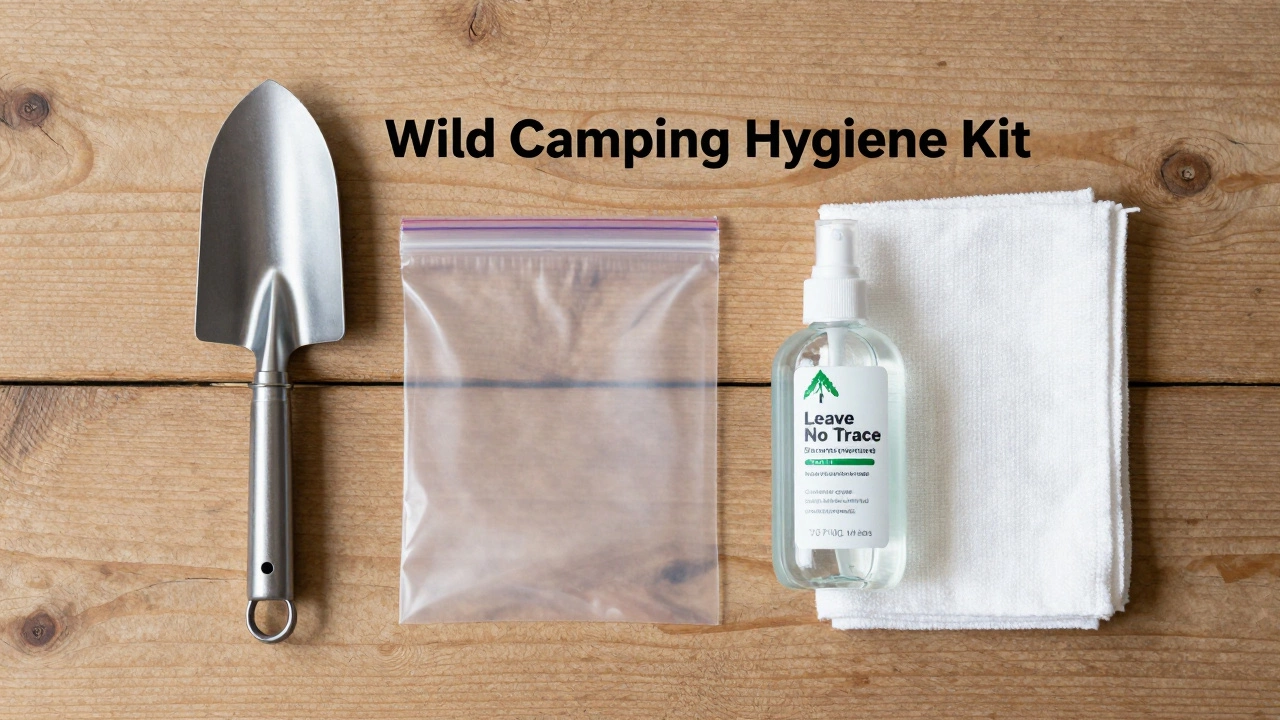
If you're still nervous about the logistics, start by practicing your 'cat hole' technique in your own backyard or a local park where it's permitted. Get a feel for how deep 20cm actually is. Once you're comfortable, build a small 'hygiene kit' containing your trowel, a sealable bag for paper, and a biodegradable sanitizer.
For those heading into more sensitive areas, like National Parks, check the specific local regulations. Some areas have designated 'human waste stations' or strictly require WAG bags. Being over-prepared is always better than being the person who leaves a mess behind. Now that you've got the bathroom part sorted, you can focus on the real reason you're out there: the view.