Wild Camping on Beaches in England: Rules, Rights, and Realities
 Oct, 18 2026
English Beach Camping Legality Checker
Select your intended location type and camping style to receive an instant assessment of legality and risk.
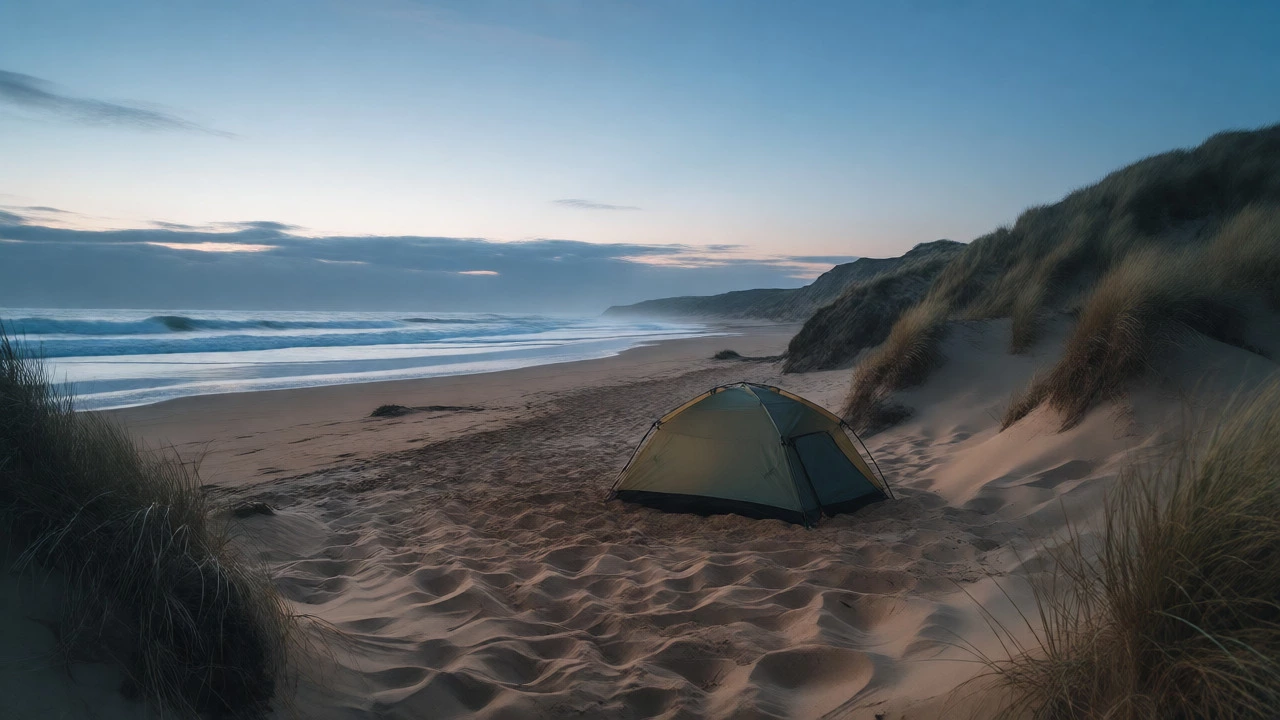
Imagine waking up to the sound of waves crashing just a few meters from your sleeping bag. No car park fees, no neighbor’s generator humming at 6 AM, just you, the tide, and the horizon. It sounds like a dream, but for many campers in England, it feels like a legal minefield. You might have heard that "you can pitch anywhere" or that "it's illegal everywhere." The truth? It’s messy, nuanced, and heavily dependent on exactly where you are standing.
If you’re looking for a simple yes or no, you won’t find one here. But if you want to know how to set up your tent on an English beach without getting fined or chased off by rangers, keep reading. We’ll break down the rights, the restrictions, and the practical realities of coastal camping in England as of late 2026.
The Legal Landscape: Rights vs. Reality
Unlike Scotland, where the Land Reform (Scotland) Act 2003 grants a general right to roam and camp, England operates under different laws. There is no blanket right to wild camp in England. Instead, permission is required from the landowner unless specific exceptions apply. This makes beach camping tricky because most beaches are owned by private estates, local councils, or organizations like the National Trust.
However, there are pockets of freedom. The key concept to understand is "tolerance." In many areas, particularly within National Parks, landowners tolerate responsible wild camping for short periods-usually one night per spot. This isn't a legal right; it's a courtesy. If you abuse it, that tolerance vanishes quickly. For example, the Northumberland Coast Area of Outstanding Natural Beauty has historically been more relaxed about single-tent camping on its remote stretches, provided you leave no trace.
You also need to consider the difference between "wild camping" and "beach camping." Many people assume beaches are public domain because they are open to walkers. While the foreshore (the area covered by average high tides) often has different access rights, the upper beach and dunes are frequently privately owned or managed with strict bylaws. Always check for signage before you hammer in your pegs.
Where Can You Actually Pitch?
Since there’s no universal law, location dictates legality. Here’s a breakdown of the main zones:
- National Parks: The Peak District and Dartmoor have specific guidelines. While not all beaches are in parks, nearby coastal sections in Northumberland and Cornwall often fall under similar tolerant regimes if you stick to single tents and avoid popular spots.
- Coastal Access Trails: The England Coast Path is being completed gradually. Some sections allow camping, but this is rare and usually requires pre-booking or paying a small fee to a designated site.
- Private Beaches: Many beautiful coves in Cornwall and Devon are attached to hotels or holiday parks. Pitching here without permission is trespassing. Look for signs indicating "No Camping" or "Private Property."
- Crown Estate Lands: Much of the seabed and some foreshores are managed by the Crown Estate. They generally do not grant camping rights, deferring to local council bylaws.
A common pitfall is assuming that because a beach is accessible via a public footpath, you can sleep there. You can walk across it, but sleeping implies occupancy, which triggers different legal considerations regarding land use.
Key Restrictions and Bylaws
Even in tolerant areas, you must adhere to strict codes of conduct. Violating these can result in fines ranging from £50 to over £100, depending on the local authority. Here’s what typically constitutes a breach:
| Restriction | Typical Rule | Why It Exists |
|---|---|---|
| Duration | Max 1-2 nights | Prevents semi-permanent occupation |
| Group Size | Small groups only (often max 4-6 people) | Reduces visual impact and litter |
| Location | Away from buildings, roads, and crowds | Maintains privacy for others and residents |
| Fire | No open fires; gas stoves preferred | Prevents scorch marks and wildfire risk |
| Litter | Take everything away | Protects marine life and aesthetics |
Notice the emphasis on fire. On sandy beaches, sand holds heat, making it hard to tell if embers are out. Rangers are increasingly strict about using portable gas stoves rather than wood-burning stoves or bonfires. Also, be aware of seasonal closures. During peak summer months (July-August), some popular beaches ban camping entirely to manage visitor numbers.
Practical Challenges of Beach Camping
Legality is half the battle; comfort is the other. Camping on a beach presents unique environmental challenges that differ significantly from forest or mountain camping.
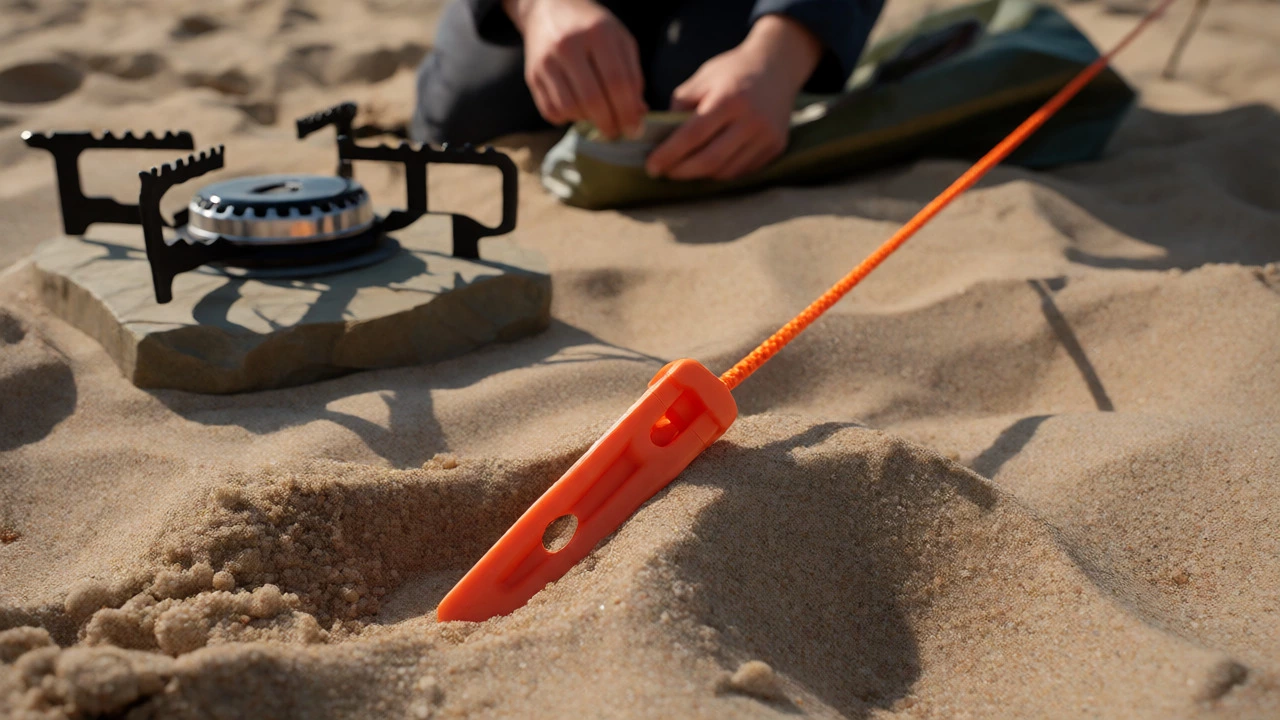
Wind: Beaches are exposed. A standard three-season tent can struggle against sustained coastal winds. You need a low-profile shelter and strong guy lines. Sand pegs (long, wide plastic stakes) are essential; standard metal pegs will pull out instantly in loose sand.
Tides: This is critical. Check the tide times before you pitch. The "high water mark" is not always obvious. If you pitch too close to the current waterline, a spring tide could flood your tent while you sleep. Aim to pitch well above the highest recent tide line, ideally behind natural barriers like dunes or rocks.
Sand: It gets everywhere. It infiltrates zippers, mixes with food, and irritates skin. Bring a dedicated mat or groundsheet to keep the interior clean. Also, consider the weight. Carrying gear across soft sand is exhausting. Use a backpack with a hip belt to distribute weight, or better yet, a wheeled cart if the terrain allows.
Privacy: English beaches are rarely deserted. Even in October, dog walkers and early risers are common. Choose a spot obscured by vegetation or distance from the main path. Avoid pitching directly next to popular surf spots where people change clothes.
Best Spots for Tolerated Beach Camping
While rules vary, some locations have established reputations for being camper-friendly. Always verify current status locally, as policies change year to year.
- Kynance Cove, Cornwall: Often cited as a stunning spot, but strictly controlled. Camping is generally not allowed on the main beach but may be tolerated in adjacent headland areas if you ask locals or check recent forums.
- Crackington Haven, Cornwall: Has a history of allowing wild camping on the cliff tops overlooking the beach, though direct beach pitching is often restricted.
- Falmouth Bay, Cornwall: Several smaller coves around Falmouth have reported successful single-tent stays, provided campers arrive late and leave early.
- Northumberland Coast: Areas near Bamburgh and Craster offer vast stretches of sand. Local rangers often tolerate discreet camping away from the village centers.
- Chesil Beach, Dorset: Famous for its shingle composition. Camping is technically restricted due to conservation efforts (rare birds), but some visitors still try their luck. Be prepared to move if asked.
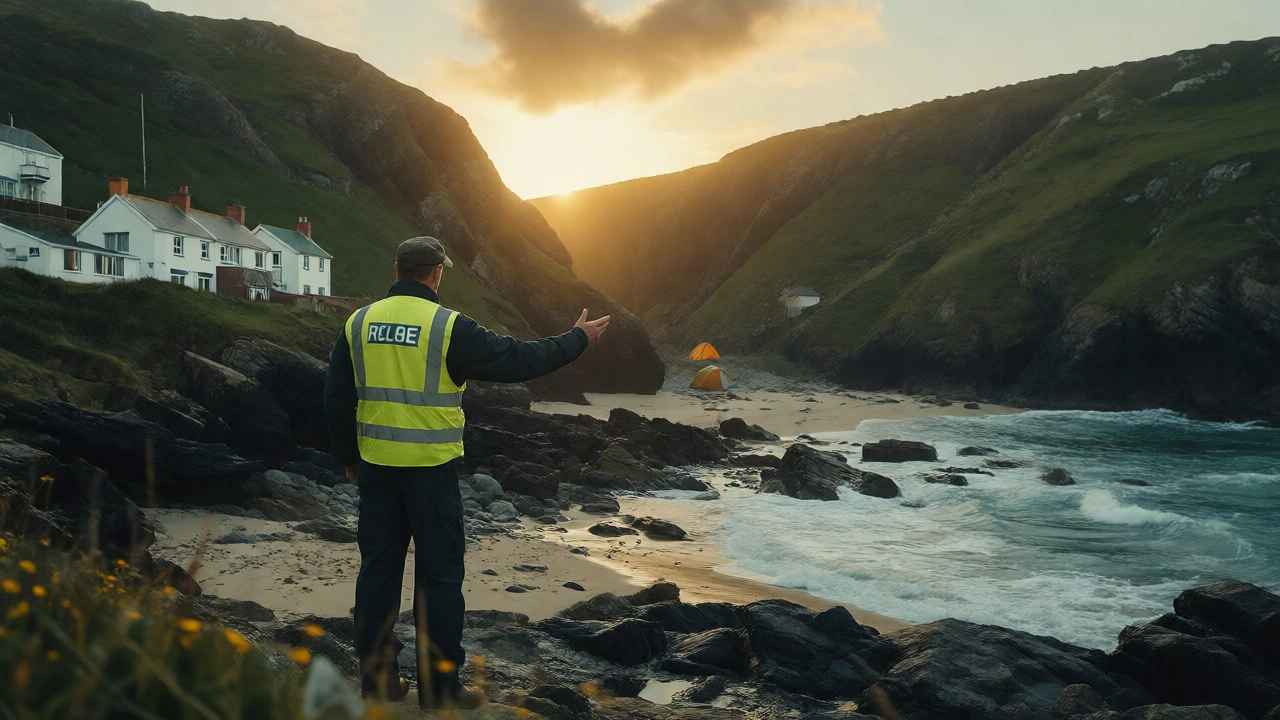
Note that "tolerated" does not mean "guaranteed." If a ranger asks you to move, do so politely and immediately. Arguing rarely ends well and can lead to stricter enforcement for future campers.
Alternatives When Wild Camping Isn't Allowed
If you’re worried about fines or want guaranteed peace of mind, consider these options:
- Paid Campsites Near the Coast: Many campsites are within walking distance of the beach. They offer facilities like showers and toilets, which are invaluable after a salty day.
- YHA Hostels: Some coastal YHAs allow tent pitching on their grounds for a small fee. This is a safe middle ground.
- Boondocking: If you’re in a motorhome, look for free parking areas with overnight permissions, then hike to the beach for sunset and sunrise.
For pure tent campers, booking a pitch at a coastal campsite might seem less adventurous, but it supports local infrastructure and ensures you aren’t part of the problem when landowners decide to ban all camping.
Leave No Trace: The Golden Rule
Regardless of legality, your behavior determines whether wild camping remains possible. Coastal ecosystems are fragile. Dune grasses prevent erosion; trampling them causes long-term damage. Stick to existing paths and durable surfaces. Do not dig trenches for water diversion; sand absorbs water quickly enough.
Bio-waste management is crucial. If there are no toilets, pack out human waste using portable toilet kits or bury it deeply in a cathole far from the water table and trails. Never dump gray water (from washing dishes) into the sea or on the dunes; scatter it widely away from camp.
Finally, respect wildlife. Seabirds nest on cliffs and beaches during certain seasons. Keep dogs leashed and stay clear of nesting zones marked by ropes or signs. Disturbing a nest can result in significant fines under wildlife protection laws.
Is wild camping legal on all beaches in England?
No. Unlike Scotland, there is no general right to roam or camp in England. Most beaches are privately owned or subject to local bylaws that prohibit camping. You typically need landowner permission, though some remote areas tolerate responsible single-tent camping.
Can I light a fire on the beach?
Generally, no. Open fires are discouraged or banned on most beaches due to the risk of burning sand (which retains heat) and damaging dune vegetation. Portable gas stoves are the recommended alternative for cooking.
How long can I stay on one beach?
If camping is tolerated, the unwritten rule is usually one night per spot. Staying longer increases the likelihood of being asked to move, especially if you are visible to passersby or if the area is busy.
What happens if I get caught camping illegally?
You will likely be asked to move on. If you refuse or cause a disturbance, you could face a fixed penalty notice (fine) ranging from £50 to £100+. Repeated offenses can lead to higher penalties.
Do I need a permit for wild camping in National Parks?
In England, permits are rarely required for simple wild camping in National Parks, but specific zones may have restrictions. Always check the specific park’s website for current guidelines, as rules can change seasonally.
Is it safe to camp on the beach during winter?
It can be, but it’s challenging. Winter storms can raise water levels unexpectedly, and wind speeds are higher. Ensure your tent is rated for strong winds and pitch well above the high-tide mark. Hypothermia is a greater risk due to dampness and cold nights.