Why You Shouldn't Take Seashells From the Beach: A Guide for Campers
 May, 25 2026
Beach Shell Impact Checker
Wondering if a beach practice is environmentally friendly? Select what you're considering doing with seashells, and we'll show you the real impact on coastal ecosystems.
Picture this: you’re sitting on your camping chair at a pristine beach campsite, watching the tide roll in. The sand is cool under your feet, and there it is-a perfect spiral shell, gleaming white against the dark wet sand. It’s tempting to pick it up. After all, isn’t it just trash? Isn’t it already dead?
That instinct is understandable. We’ve been taught that shells are empty vessels, devoid of life. But here’s the hard truth: taking those shells disrupts the entire coastal ecosystem. For anyone who loves spending time at beach campsites, understanding why we should leave nature alone isn’t just about following rules-it’s about preserving the very places we love to visit.
The Hidden Life Inside an Empty Shell
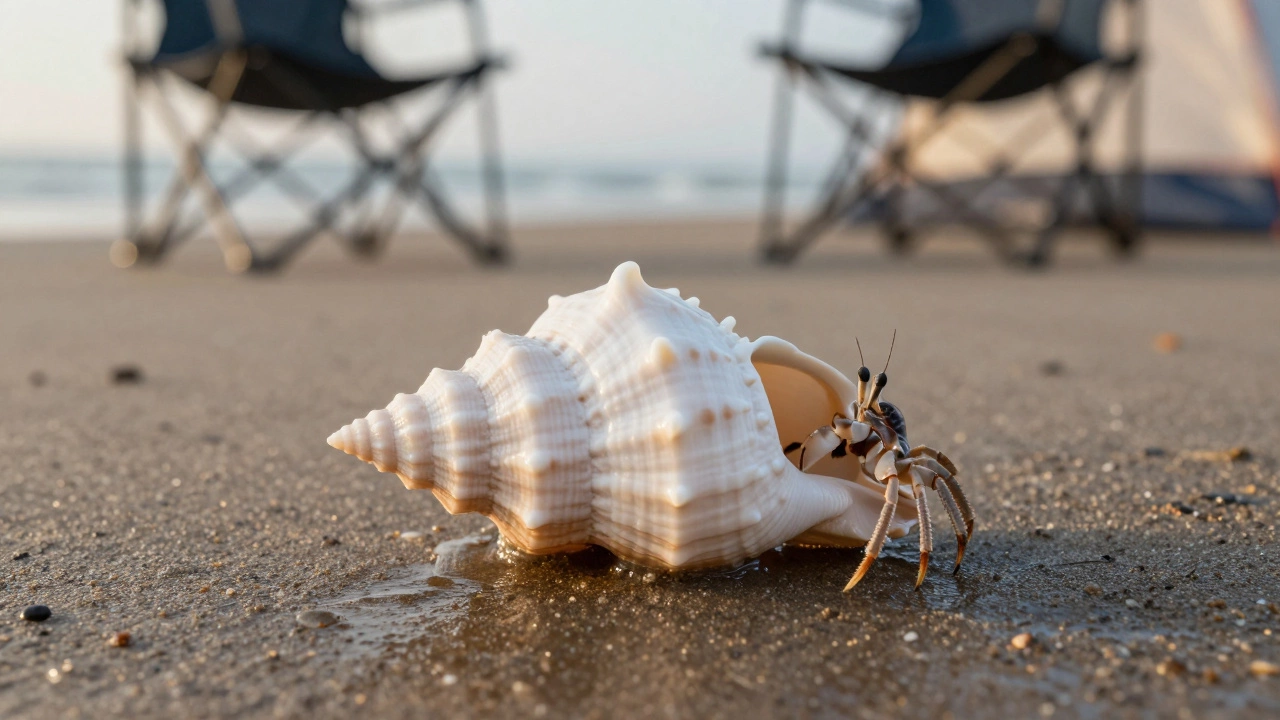
When you see a shell lying on the shore, you assume the creature inside has died and moved on. Sometimes that’s true. But often, that shell is still occupied by someone else. In many coastal ecosystems, particularly in Australia where I spend my weekends, hermit crabs rely heavily on discarded mollusk shells for survival.
Hermit crabs don’t have hard protective backs like other crabs. Their abdomens are soft and vulnerable. As they grow, they need to find larger shells to move into. This process is critical for their survival. When campers and tourists sweep beaches clean of shells, they aren’t just collecting souvenirs-they’re stealing homes from these creatures.
Research from marine biologists indicates that hermit crab populations decline significantly in areas with heavy tourist activity and shell collection. Without adequate shells, hermit crabs become more vulnerable to predators like birds and fish. They also experience higher stress levels, which affects their ability to reproduce. By leaving shells behind, you’re essentially providing free real estate for local wildlife.
Shells Are More Than Just Homes
Beyond housing hermit crabs, seashells play several vital roles in maintaining healthy beach environments. Think of a shell as a multi-tool for the ocean floor. Here’s how they contribute:
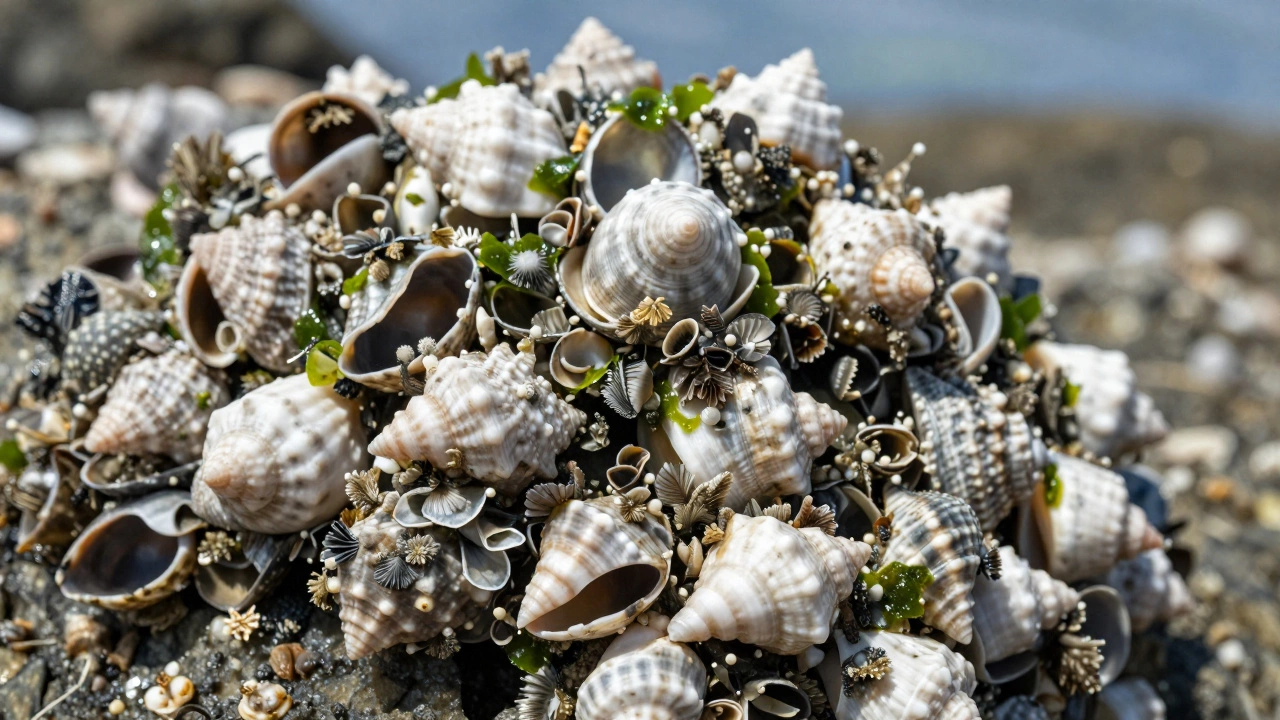
- Habitat structure: Shells create complex micro-habitats for tiny organisms like barnacles, algae, and small fish larvae. These creatures attach themselves to shells, using them as anchor points in the shifting sands.
- Nutrient cycling: As shells break down over time, they release calcium carbonate back into the ecosystem. This mineral is essential for building strong skeletons and shells in other marine animals.
- Erosion control: Accumulated shells help stabilize sand dunes and prevent erosion. They act as natural barriers against wind and water movement.
Remove enough shells, and you start dismantling the foundation of the beach ecosystem. It’s similar to removing bricks from a wall-one or two might not seem important, but take too many, and the whole structure collapses.
The Legal Side of Shell Collection
In many countries, including Australia, taking certain types of shells is actually illegal. While laws vary by region, most protected areas prohibit the removal of any natural materials, including shells, rocks, and plants. This includes popular coastal national parks and designated camping zones.
For example, in Western Australia, it’s against the law to remove any marine life or their remains from protected areas. Fines can be substantial, especially if you’re caught taking large quantities. Even outside protected zones, many local councils enforce strict regulations to preserve natural beauty.
If you’re planning a trip to a new beach campsite, always check local guidelines before packing anything from the shore. Ignorance isn’t a valid excuse when it comes to environmental protection laws.
Impact on Future Visitors
Let’s talk about the human side of this issue. Every year, millions of people flock to beaches worldwide, drawn by their natural beauty. If everyone took even one shell per visit, what would happen? Eventually, there wouldn’t be any left.
This isn’t hypothetical. Some popular tourist destinations have already seen significant depletion of shell populations due to over-collection. Beaches that once sparkled with colorful shells now look barren. That changes the experience for future visitors-including families bringing children who expect to discover treasures during their holidays.
As responsible travelers and campers, we have a duty to ensure these experiences remain available for others. Leaving shells intact allows future generations to enjoy the same wonder we feel today.
Alternatives to Taking Shells
I get it-you want a memento from your trip. Who doesn’t? Fortunately, there are plenty of alternatives that let you keep memories without harming the environment:
- Take photos: Modern smartphone cameras capture incredible detail. Snap pictures of unique shells in situ, then share them online or print them later.
- Draw sketches: Bring along a small notebook and pencil. Sketching shells helps you appreciate their intricate designs while creating personalized artwork.
- Purchase locally made crafts: Many coastal towns sell handmade jewelry and decorations crafted from sustainably sourced materials. Supporting local artisans boosts the economy without damaging ecosystems.
- Adopt “Leave No Trace” principles: Commit to leaving every place exactly as you found it-or better yet, slightly cleaner by picking up litter instead.
These options allow you to connect with nature meaningfully while respecting its boundaries.
| Practice | Environmental Impact | Legal Status | Sustainability Rating |
|---|---|---|---|
| Taking live shells | Highly destructive | Illegal in most regions | Very low |
| Collecting dead shells | Moderate disruption | Restricted in protected areas | Low |
| Photographing shells | No impact | Always legal | Excellent |
| Buying sustainable crafts | Minimal impact | Legal everywhere | Good |
How Campers Can Make a Difference
Campers occupy a unique position in coastal conservation efforts. Unlike day-trippers who arrive early and leave late, campers spend extended periods observing and interacting with their surroundings. This gives us both greater responsibility and opportunity to make positive changes.
Here’s what you can do:
- Educate fellow campers about the importance of leaving shells undisturbed.
- Volunteer for beach cleanup events organized by local groups.
- Support organizations working to restore damaged habitats.
- Choose eco-friendly accommodations that prioritize sustainability.
Small actions add up quickly. Imagine if every camper adopted these practices-our beaches would thrive rather than deteriorate.
Is it okay to take broken shells?
Even broken shells serve purposes in the ecosystem. They provide shelter for smaller organisms and contribute to nutrient cycles. Unless explicitly permitted by local authorities, it’s best to leave all shells where they are.
What happens if I accidentally take a shell home?
Don’t panic! Next time you visit the beach, consider returning it or donating it to a museum or educational institution. Alternatively, use it responsibly indoors until it naturally degrades.
Are there exceptions to the rule?
Some jurisdictions permit limited collection of specific species under controlled conditions. Always verify local regulations beforehand. Scientific research may also require temporary relocation of specimens, but this requires proper permits.
How does shell removal affect tourism?
Over time, excessive shell removal diminishes the visual appeal of beaches, potentially reducing visitor numbers. Healthy ecosystems attract more tourists, supporting local economies through hospitality services.
Can I collect shells for scientific study?
Yes, provided you obtain necessary permissions from relevant authorities. Researchers often collaborate with universities or government agencies to conduct studies ethically and legally.