Why Shibumi Campsites Are Banned at Myrtle Beach
 Feb, 26 2026
Legal Camping Options Near Myrtle Beach
Myrtle Beach State Park
Offers 150 campsites with hookups, showers, and direct beach access
North Myrtle Beach KOA
Full RV and tent sites with pool, laundry, and shuttle to boardwalk
Surfside Beach RV Resort
Quiet, tree-lined property with direct beach access
Private Vacation Rentals
Beachfront condos with 7+ night minimums (bring your own gear)
- Up to $500 fine
- 30-day jail time (rare for first offense)
- 6-month beach ban for repeat offenders
If you’ve ever tried to set up a Shibumi tent at Myrtle Beach, you’ve probably been told to leave. It’s not because the tent is messy or loud. It’s because Shibumi tents are banned entirely on public beaches in Myrtle Beach, South Carolina. And if you’re wondering why, it’s not some random rule-it’s a mix of safety, environmental, and enforcement issues that have built up over years.
What Is a Shibumi Tent?
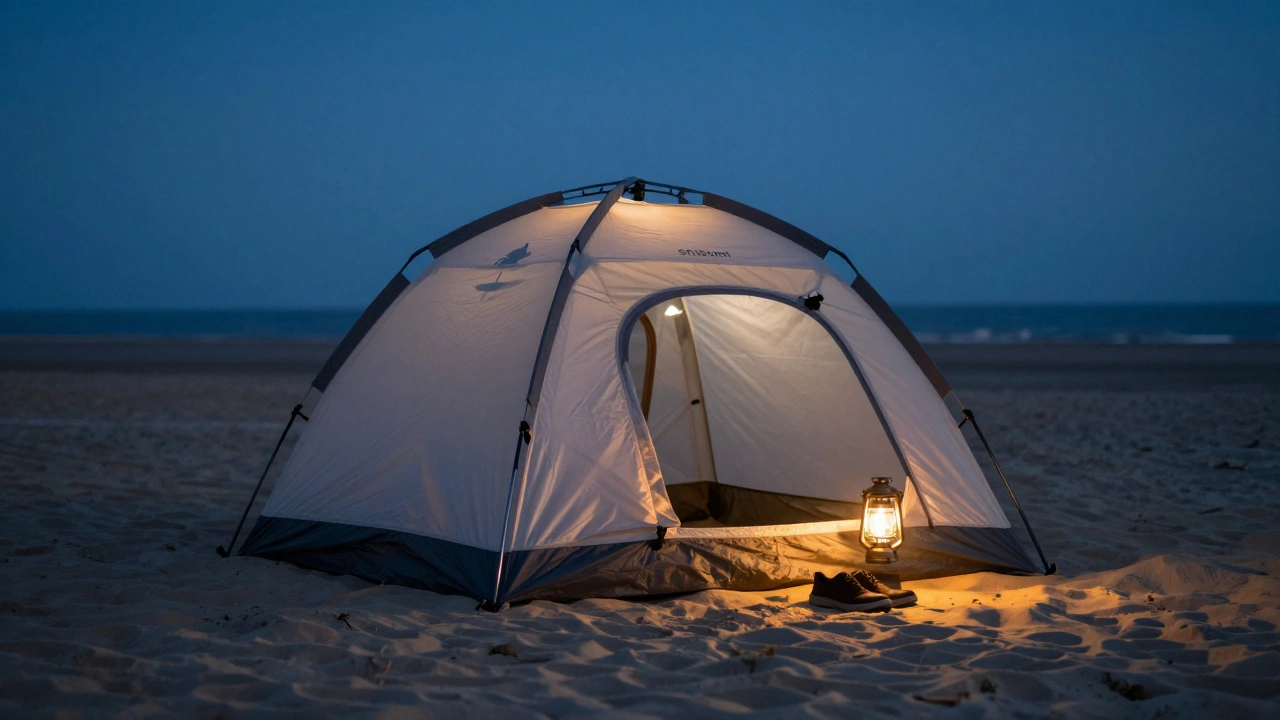
A Shibumi tent is a high-end, freestanding beach shelter designed for comfort and wind resistance. It’s made of durable, sand-resistant fabric with a unique dome shape that doesn’t need stakes. It’s popular among campers who want to stay overnight on the beach without a full RV or trailer. The tent holds up to four people, has a mesh window for airflow, and folds into a compact carry bag. Sounds perfect, right?
But here’s the catch: Myrtle Beach doesn’t allow any overnight camping on public beaches. Not tents. Not hammocks. Not even sleeping bags. The city’s beach code is clear: no overnight stays. That rule applies to everyone, regardless of the gear you use. So why do Shibumi tents get singled out? Because they’re visible, popular, and often mistaken for legal camping setups.
Why Myrtle Beach Banned Overnight Camping
Myrtle Beach is a 60-mile-long stretch of public beach. It’s one of the most visited coastal areas in the U.S., drawing over 18 million visitors a year. The city doesn’t have designated campgrounds on the beach itself. Instead, they rely on nearby RV parks and campgrounds like Myrtle Beach State Park, which is a few miles inland.
The ban on overnight camping started in the early 2000s after a series of incidents. In 2003, a storm surge washed away a group of tents near the 14th Avenue boardwalk. No one was hurt, but emergency responders had to clear 17 people from the beach at 3 a.m. In 2010, a fire broke out in a group of tents near the pier, damaging two lifeguard towers. And in 2017, a teenager was found unconscious in a tent after consuming alcohol-police had to break in to help.
These weren’t isolated events. Over a five-year period, the Myrtle Beach Police Department logged over 200 calls related to unauthorized beach camping. Most involved trespassing, public intoxication, or littering. The city didn’t want to build more staff or infrastructure to police tents on the sand. So they made the rule simple: no one stays overnight.
Why Shibumi Tents Are Targeted
Shibumi tents aren’t banned because they’re dangerous. In fact, they’re safer than many other beach shelters. They’re designed to stay put in high winds, don’t use metal stakes that can puncture underground cables, and are easy to clean. So why the crackdown?
Because they’re too convincing.
Unlike a simple tarp or sleeping bag, a Shibumi looks like a real overnight setup. It has walls, a door, a floor, and even a small porch area. People assume if it looks like a tent, it’s allowed. Tourists from California, Oregon, and Florida-where beach camping is legal in some areas-show up thinking it’s fine. They set up at sunset, light a small lantern, and settle in for the night. By morning, they’re surprised when a police officer knocks on the door and asks them to pack up.
Shibumi tents are also expensive-costing between $600 and $900. That means the people using them are often affluent, well-traveled, and vocal. When they get cited, they post about it on Instagram, Reddit, and travel forums. That’s how the myth started: “Shibumi is banned at Myrtle Beach.” The truth? It’s not the tent. It’s the act of sleeping on the beach.
What Happens If You Get Caught?
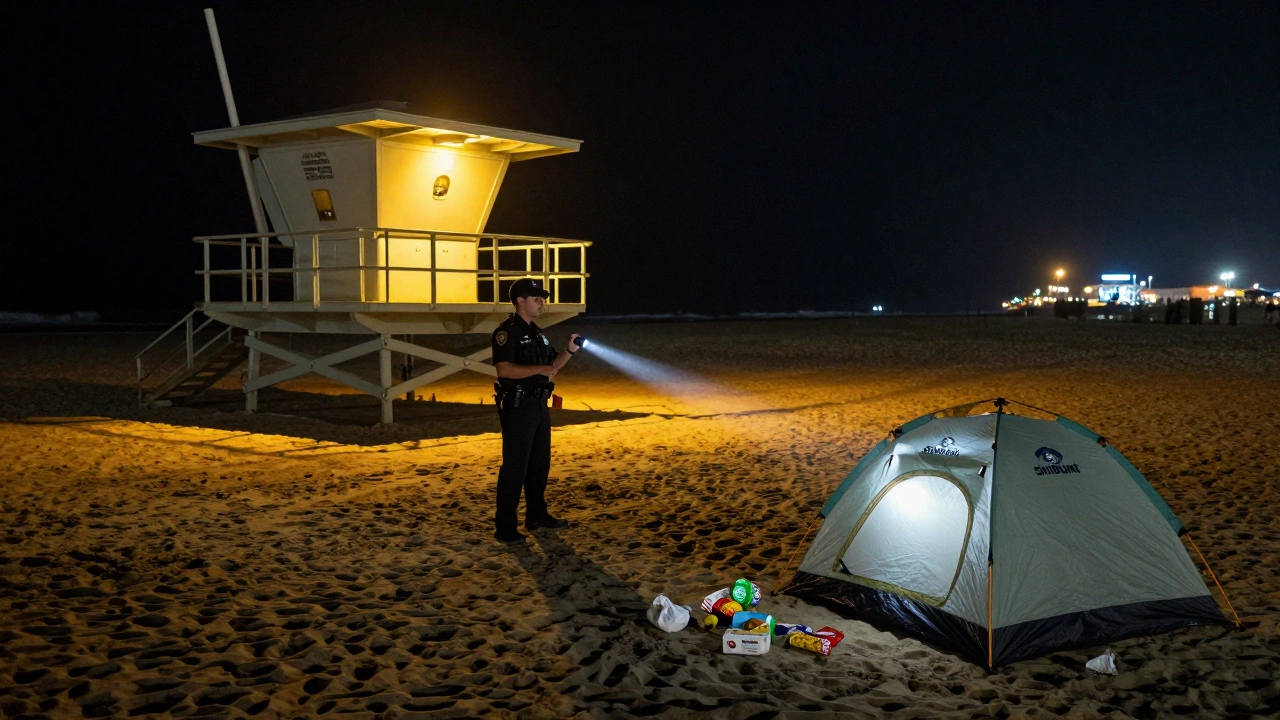
If you’re caught with a Shibumi or any other overnight setup on Myrtle Beach, you’ll get a Class 3 misdemeanor citation. That’s a fine of up to $500 and up to 30 days in jail-though jail is almost never used for first-time offenders. Most people pay the fine and leave. Repeat offenders? They get banned from the beach for six months.
Enforcement is mostly reactive. Lifeguards and park rangers don’t patrol the beach at night. But if someone calls in a complaint-like a neighbor who hears music or smells smoke-police will show up. And they’ll check for signs of overnight use: sleeping bags, coolers, lanterns, food wrappers, or even a single pair of shoes left outside the tent.
There’s no gray area. Even if you’re just “resting” after sunset, if you’re not packing up by 10 p.m., you’re in violation.
What Are Your Alternatives?
You can still camp near Myrtle Beach-you just can’t do it on the sand. Here are your legal options:
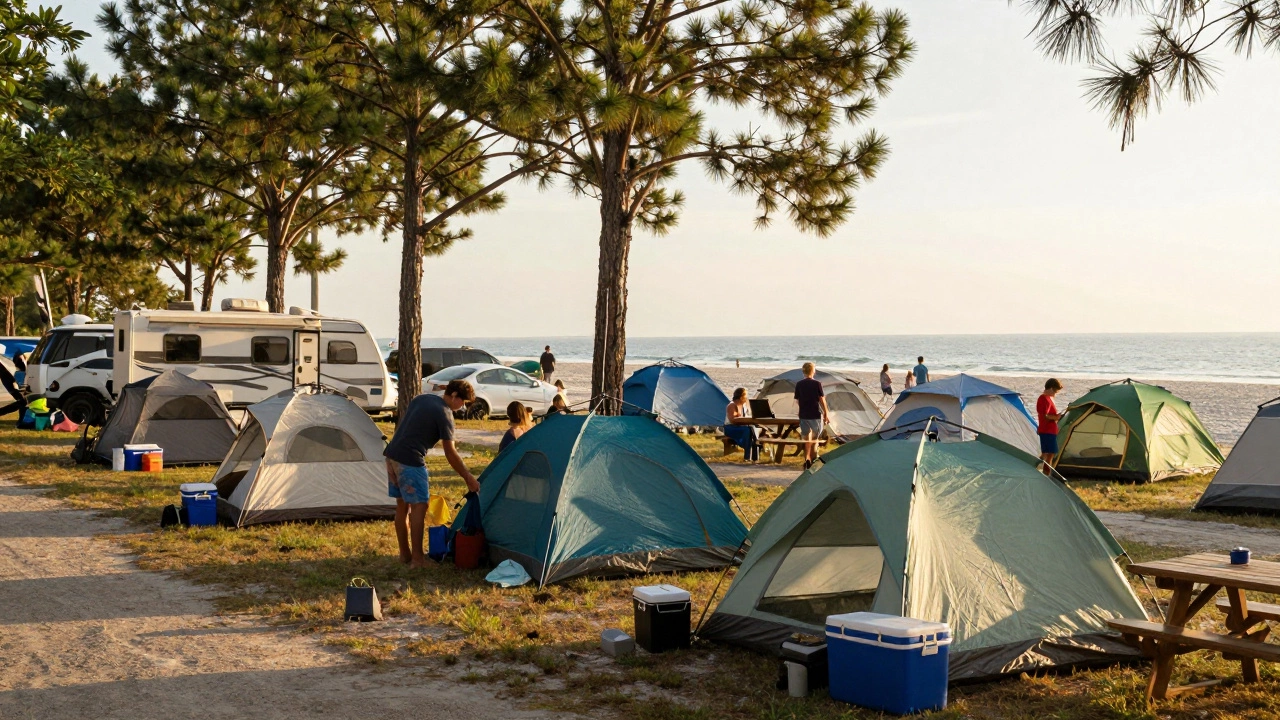
- Myrtle Beach State Park - 3.5 miles inland, offers 150 campsites with hookups, showers, and direct access to a quiet beach. Book ahead-it fills up fast.
- North Myrtle Beach KOA - Full RV and tent sites, pool, laundry, and a shuttle to the boardwalk.
- Surfside Beach RV Resort - Quiet, tree-lined, and just 10 minutes from Myrtle Beach. Great for families.
- Private vacation rentals - Many beachfront condos allow stays of 7+ nights. You can bring your own gear and sleep on the balcony.
None of these let you sleep on the sand. But they’re safe, legal, and often more comfortable than a tent on the beach anyway.
Why Other Beaches Allow It-And Myrtle Doesn’t
Compare Myrtle Beach to places like Cape Cod, Oregon’s coast, or parts of Florida. In those areas, beach camping is allowed under strict permits. Why? Because they have fewer visitors, more staff, and designated zones. Myrtle Beach has no zoning for camping. It’s a tourist corridor with hotels, bars, and rides packed shoulder-to-shoulder. There’s no space to carve out a quiet, safe camping zone.
Also, Myrtle Beach’s sand is fine and shifts easily. A tent left overnight can trap debris, create erosion, or block access for beach maintenance crews. In 2022, the city spent $1.2 million just cleaning up after unauthorized campers. That’s money they’d rather spend on lifeguards and public restrooms.
Is There Any Chance the Rule Will Change?
Not anytime soon. The city council reviewed the ban in 2023 after a petition with 8,000 signatures. They held three public hearings. The overwhelming feedback? “Keep the beach clean and safe.” Tourists who wanted to camp were outnumbered by locals who said they’d stop visiting if the beach turned into a campground.
The city did offer one compromise: a single permit for a single night at one designated beach access point-just for people with disabilities. It’s been used twice since 2024. No plans to expand.
So if you’re planning a beach trip to Myrtle Beach, leave the Shibumi at home. Or better yet, bring it to Myrtle Beach State Park. You’ll still get the ocean breeze, the stars, and the sound of waves. Just not on the public sand.
Can I sleep in my car on Myrtle Beach?
No. Sleeping in any vehicle on public beach property is also prohibited. Myrtle Beach enforces a blanket ban on overnight stays, whether you’re in a tent, RV, car, or hammock. Violations are treated the same way-fines and possible citations.
Are there any exceptions to the ban?
Only one: a special permit for individuals with documented disabilities who need to camp overnight for medical reasons. This permit is limited to one night per year and must be applied for in advance through the city’s Parks and Recreation Department. No other exceptions exist.
Why not just let people camp if they clean up after themselves?
It’s not just about cleanup. The beach is a public space with constant foot traffic, emergency access routes, and utility lines. Overnight camping creates unpredictable risks-fires, medical emergencies, trespassing, and litter that attracts wildlife. Even responsible campers can’t control weather, tides, or accidents. The city decided it’s safer and cheaper to prevent it entirely.
Can I use a Shibumi tent during the day?
Yes. You can use a Shibumi tent as a shade shelter during daylight hours. Many people do. Just make sure you pack it up before sunset. The rule is about overnight stays, not daytime use. As long as you leave no gear behind and don’t sleep in it, you’re fine.
What if I’m just resting after sunset? Am I breaking the law?
Technically, yes. If you’re lying down with a sleeping bag, blanket, or tent-even if you’re just “taking a nap”-you’re considered to be camping. Enforcement is mostly based on context: if you have gear that suggests overnight intent, you’ll be asked to leave. It’s better to head to your campsite or hotel before dark.