Why Is Wild Camping Banned in England? The Truth Behind the Law
 Sep, 10 2026
Wild Camping Legal Checker
Unlike Scotland, England has no general "Right to Roam" for camping. Use this checker to assess your risk level before pitching your tent.
Assessment Result
Legal Context
Action Required
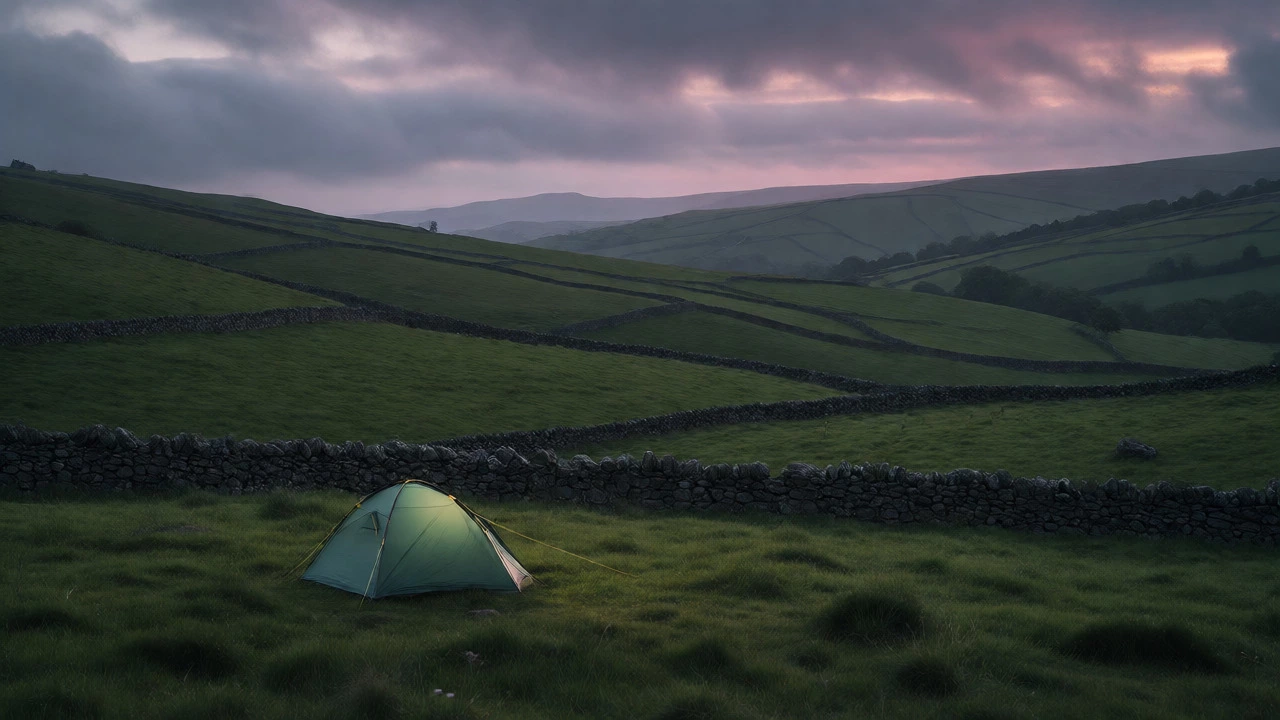
You pack your tent, grab a sleeping bag, and head for the nearest patch of green. You find a spot with no fences, no signs, and no people. It looks perfect. But if you’re in England, that peaceful night might end with a fine or an angry landowner telling you to move on. Unlike Scotland, where wild camping is widely accepted under specific conditions, wild camping in England is largely restricted by private property laws rather than explicit national bans.
So, why does it feel like you can’t pitch a tent anywhere without breaking the rules? It’s not because the government hates campers. It’s because English land law is ancient, complex, and deeply tied to ownership. Let’s break down exactly what’s happening, where you actually can sleep, and how to avoid getting kicked out.
The Myth of the "Ban"
First, let’s clear up a common misconception: there is no single law that says "no wild camping allowed in England." Instead, the restriction comes from the default status of land. In England, most land is privately owned. If you step onto private land without permission, you are technically trespassing. This applies whether you’re walking, picnicking, or setting up a tent.
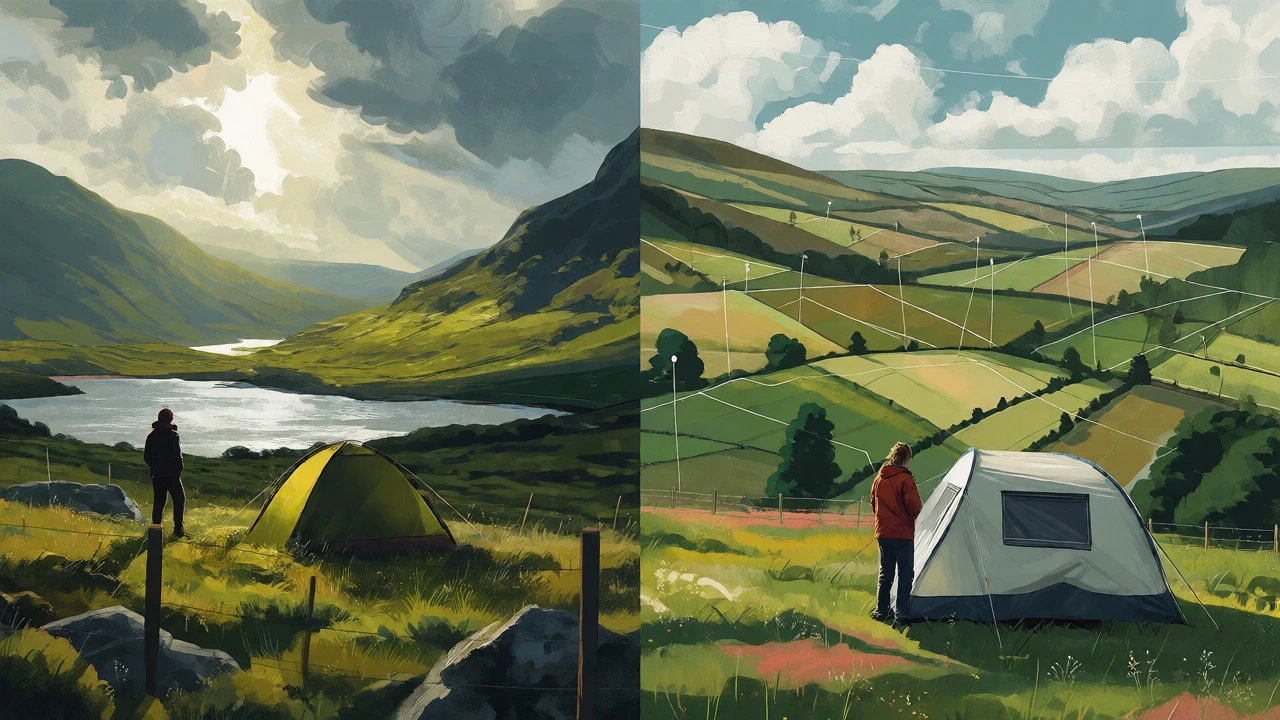
This differs sharply from Scotland. There, the Land Reform (Scotland) Act 2003 established a statutory right to roam. This allows responsible access to most land and inland water for recreational purposes, including wild camping. England has no equivalent statute. While you have public rights of way for walking, these paths do not grant you the right to stop and sleep overnight off the path.
| Feature | England | Scotland |
|---|---|---|
| Legal Status | Trespass unless permitted; no general right to camp. | Statutory right to roam includes camping. |
| Primary Authority | Landowners and local bylaws. | Countryside Code and Scottish Outdoor Access Code. |
| Penalty Risk | High risk of being asked to leave; fines possible under bylaws. | Low risk if following guidelines; fines rare. |
| Best Practice | Ask permission or use designated spots. | Camp responsibly away from roads/buildings. |
Who Actually Owns the Land?
To understand the restrictions, you need to know who controls the ground beneath your tent. Approximately 85% of rural land in England is privately owned. This includes large estates, farms, and individual holdings. When you see a field stretching to the horizon, it likely belongs to someone who pays taxes on it and manages its use.
Then there are the public bodies. Organizations like the National Trust, Natural England, and various water companies own significant chunks of countryside. Their rules vary wildly. Some National Trust properties allow informal camping on specific open-access land. Others prohibit it entirely to protect livestock or sensitive habitats. Water catchment areas often ban camping to prevent pollution of drinking water sources. You can’t assume uniformity just because the landscape looks similar.
The Role of Bylaws and Local Restrictions
Beyond private ownership, local councils and authorities impose specific bylaws. These are legally binding rules that apply to certain areas. For example, many National Parks in England have bylaws that restrict camping outside designated sites. The Lake District National Park Authority, for instance, encourages visitors to use official campsites to manage waste and traffic impact.
These bylaws aren’t arbitrary. They exist to balance recreation with conservation and community life. Imagine living next to a popular hiking trail. If hundreds of tents appeared every weekend, noise, litter, and sanitation issues would disrupt daily life. Bylaws help maintain this balance. Ignoring them isn’t just rude; it’s a civil offense that can lead to fines.
Where Can You Actually Camp?
If wild camping is so restricted, where do you go? You have three main options, each with different levels of freedom.
- Designated Wild Camping Sites: Some organizations run low-cost, minimal-service campsites specifically for tent users. These are often called "bothies" (though bothies are typically buildings) or basic pitches. They provide toilets and sometimes water, reducing the environmental burden.
- Open Access Land: Under the Countryside and Rights of Way Act 2000 (CRoW), you have a right to walk on mapped "access land," usually mountains, moors, heaths, downs, and registered commons. However, this right does not explicitly include camping. Many landowners tolerate it if you stay one night, move on, and leave no trace. But remember: tolerance is not a legal right. If they ask you to leave, you must comply.
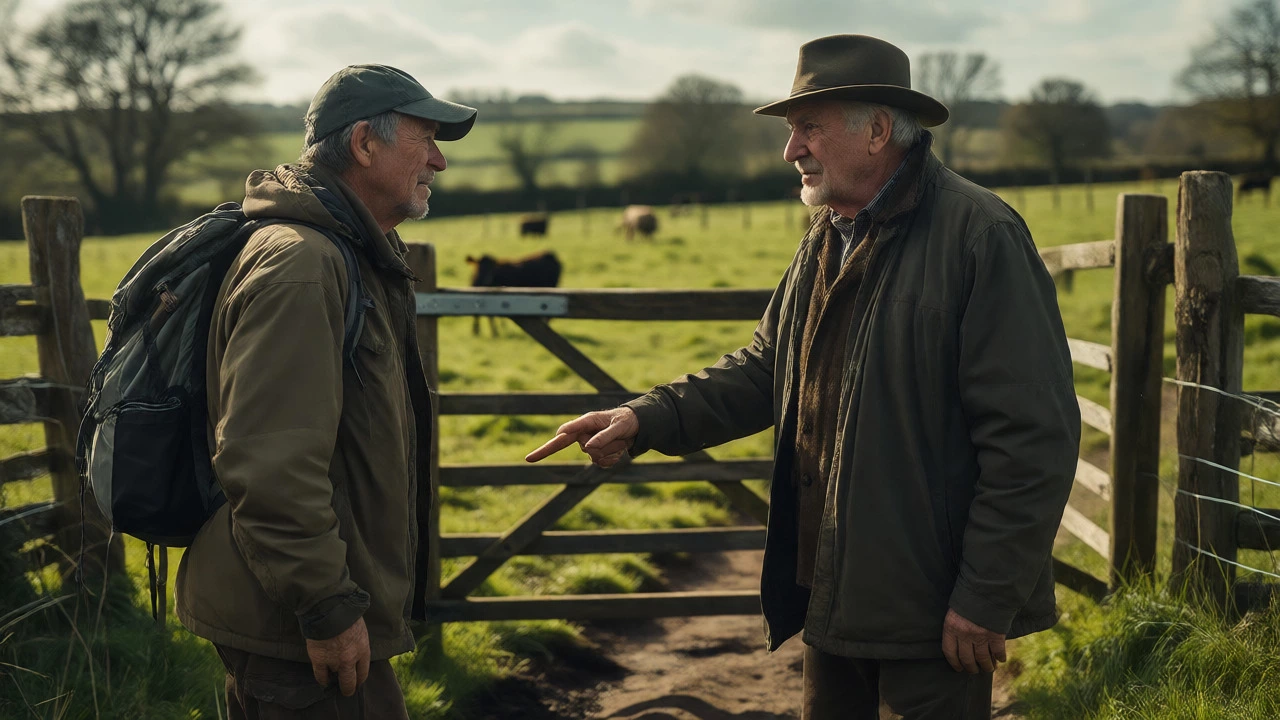
- Private Land with Permission: This is the gold standard. Knock on the door of a farm cottage or contact the estate manager. Many farmers are happy to let you pitch in a corner of a field for a small fee or even for free, provided you respect their animals and gates. Websites like Pitchup.com or direct inquiries via social media can help you find hosts.
The Environmental Impact Argument
Supporters of stricter rules argue that unmanaged wild camping damages fragile ecosystems. Trampling vegetation, disturbing wildlife during breeding seasons, and leaving behind micro-litter all add up. A single tent seems harmless, but multiply that by thousands of visitors over a year, and the cumulative effect becomes visible.
In high-traffic areas like the Peak District or Dartmoor, soil erosion is a real concern. Repeated foot traffic creates bare patches that take years to recover. Dog waste, if not picked up, introduces pathogens into waterways. These practical concerns drive much of the local resistance to unrestricted camping. Authorities aren’t trying to kill the vibe; they’re trying to keep the landscape intact for future visitors.
How to Camp Responsibly in England
If you want to minimize conflict and maximize your chances of a good night’s sleep, follow these guidelines. They won’t guarantee legal immunity, but they will make you a welcome guest.
- Arrive Late, Leave Early: Set up your tent after dusk and strike it before dawn. This reduces visibility and interaction with locals and livestock.
- Stay Small and Low-Impact: Use a single-person tent if possible. Avoid large group setups that look like mini-villages.
- Avoid Sensitive Areas: Stay away from rivers, lakes, and streams to prevent water contamination. Keep at least 50 meters from roads and buildings.
- Leave No Trace: Pack out everything you bring in, including food scraps and toilet paper. Consider using a portable toilet kit if you’re staying multiple nights.
- Be Polite and Prepared: If approached, be friendly. Explain you’re moving on in the morning. Having a map and knowing the area shows respect for the place.
Remember, the goal is discretion. You’re a guest on someone else’s land, even if that “someone” is a faceless trust or corporation. Acting like a tourist rather than an invader goes a long way.
The Future of Access Rights
Is change coming? Campaign groups like the Ramblers and the British Mountaineering Council continue to lobby for a clearer right to roam in England. They point to the success of the Scottish model as proof that responsible access works. However, political will remains fragmented. Rural communities often prioritize agricultural productivity and privacy over recreational expansion.
For now, the status quo holds. England offers beautiful landscapes, but accessing them requires more planning and negotiation than in Scotland. Understanding this dynamic helps you set realistic expectations. Don’t expect to wander into any field and pitch a tent. Do expect to find amazing spots if you research ahead, ask nicely, and respect the rules.
Is wild camping illegal everywhere in England?
No, it is not strictly illegal in the sense of a criminal offense, but it is a civil trespass if done on private land without permission. Most enforcement actions involve being asked to leave or facing minor fines under local bylaws, particularly in National Parks.
Can I wild camp in National Parks in England?
It depends on the specific park. Some, like the Lake District, strongly discourage or restrict it outside designated sites. Others may be more tolerant. Always check the specific National Park Authority's website for current bylaws before pitching your tent.
What happens if I get caught wild camping?
Typically, a ranger or landowner will ask you to move on. If you refuse or cause damage, you might face a fixed penalty notice (fine). In rare cases of repeated offenses or significant damage, further legal action could occur, but this is uncommon for respectful campers.
Does the Right to Roam apply to camping in England?
No. The Countryside and Rights of Way Act 2000 grants a right to walk on certain open access lands, but it does not extend to camping or lighting fires. Sleeping overnight is generally considered outside the scope of this right.
Are there any free places to wild camp in England?
Yes, some farmers and landowners allow free camping in exchange for respecting their land. Additionally, certain volunteer-run bothies offer free shelter, though they are buildings, not open fields. Always confirm availability and rules beforehand.