Why is it called glamping? The origin and meaning of luxury camping
 Aug, 2 2026
Camping vs. Glamping Style Matcher
Traditional Camping
Bring Your Own Gear
I love setting up my own tent and sleeping in a bag.
Campfire Cooking
I enjoy the challenge of cooking meals over a fire or portable stove.
Budget Friendly
I want to keep costs low ($10-$50 per night).
Shared Facilities
I don't mind using shared shower blocks or pit toilets.
Luxury Glamping
Pre-Furnished Stay
I want to arrive at a bed with crisp linens already made.
Private Bathroom
A private en-suite bathroom is non-negotiable for me.
Experience Focused
I'm willing to pay more ($150+) for convenience and aesthetics.
Instagrammable Views
I want a unique structure like a dome or treehouse for photos.
Recommended Accommodation:
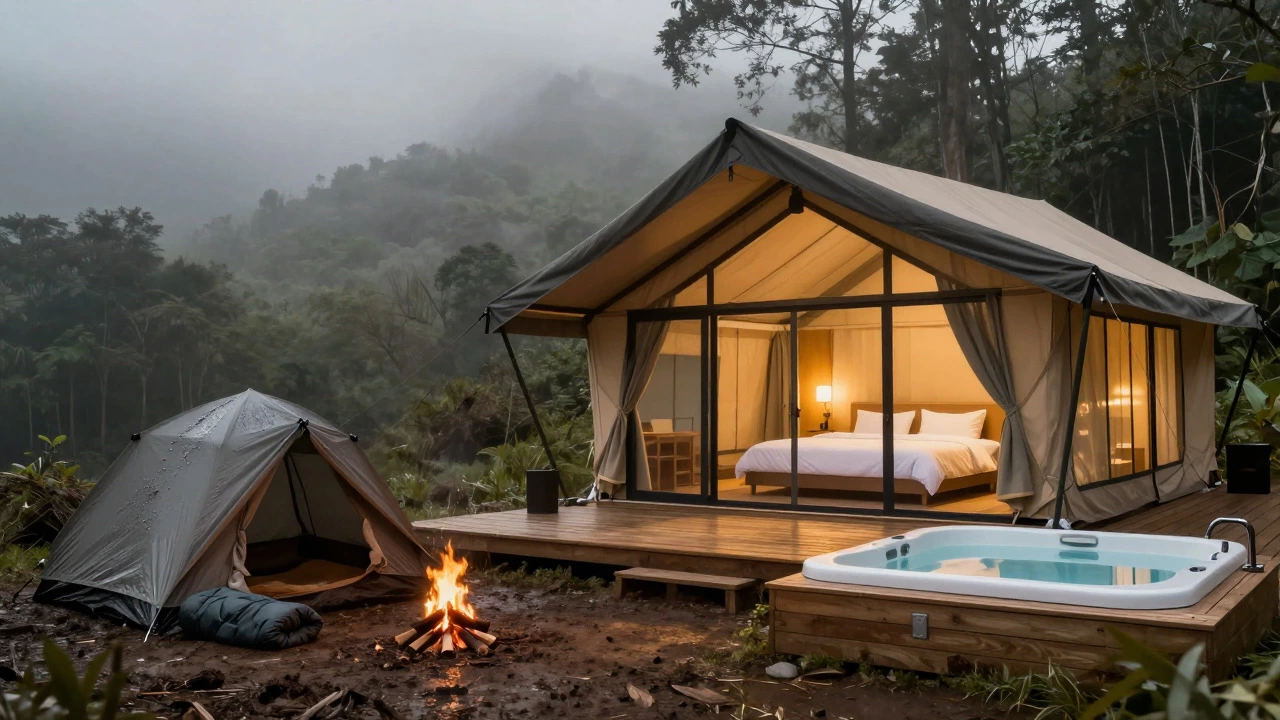
You’ve probably seen the photos: a sleek canvas tent with floor-to-ceiling windows, a king-sized bed dressed in crisp linens, and maybe even a private hot tub overlooking a forest. It looks nothing like the damp, muddy experience your parents had when they dragged you to a state park in the nineties. This is glamping. But have you ever stopped to wonder why we call it that? It sounds like a marketing buzzword invented overnight by someone who wanted to sell expensive tents. In reality, the term has roots that go back decades, and its rise tells us something fascinating about how we relate to nature today.
The Etymology: A Simple Portmanteau
At its core, "glamping" is a portmanteau-a word formed by blending parts of two other words. Specifically, it combines "glamorous" and "camping." That’s it. There is no hidden Latin root or obscure historical reference. The genius of the term lies in its simplicity. It immediately signals a contradiction: camping is traditionally associated with discomfort, while glamour is associated with excess and ease. By smashing them together, the word promises the best of both worlds.
The first recorded use of the term appeared in the British press in the early 2000s. According to the Oxford English Dictionary, the earliest citation is from 2005 in the UK newspaper The Guardian. However, linguists suggest the term likely circulated in oral conversation before hitting print. It emerged during a time when the travel industry was beginning to segment itself more aggressively. People weren't just looking for "a place to stay"; they were looking for experiences. The word needed to exist because the concept existed, even if the infrastructure wasn't fully built yet.
When was the word glamping first used?
The word "glamping" was first recorded in print in 2005 in The Guardian newspaper in the United Kingdom. While the exact moment of coinage is unknown, it gained traction rapidly in the mid-2000s as a shorthand for luxury outdoor accommodation.
Historical Precedents: Glamping Before the Name
Just because the word is new doesn’t mean the practice is. Humans have been enjoying luxurious stays in the wild for centuries. The key difference is that previously, this was the norm for the elite, whereas today, it’s a commercial product available to the middle class. If you look at history, you’ll find several movements that fit the modern definition of glamping perfectly.
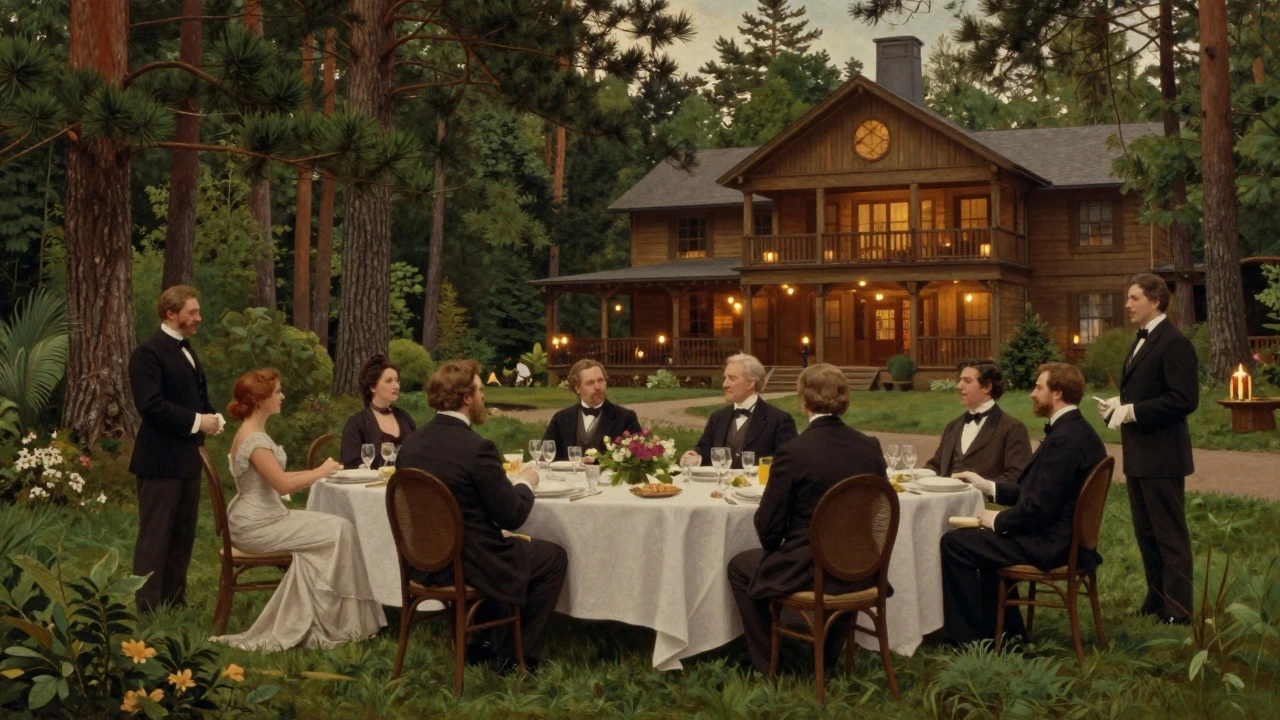
Consider the Gilded Age in the United States (roughly 1870s to 1900). Wealthy industrialists didn’t rough it. They traveled to places like Saranac Lake in New York or Bar Harbor in Maine, staying in grand hotels or elaborate summer camps. These camps had servants, fine dining, and electric lighting. They were essentially five-star resorts disguised as rustic retreats. Similarly, in Europe, the aristocracy engaged in "big game hunting" safaris in Africa during the colonial era. These expeditions involved large teams of porters, gourmet meals prepared over open fires, and comfortable canvas wagons. It was glamorous, it was outdoors, and it required zero effort from the participants.
In Australia, where I live, the tradition of the "station homestead" or high-end outback lodges has long blurred the line between camping and luxury hotel stays. Places like Longitude 131 in the Red Centre offer dome accommodations that are technically temporary structures but offer amenities rivaling any city hotel. These concepts laid the groundwork for what we now call glamping, proving that the desire for comfort in nature is not a new trend, but a recurring human preference.
The Rise of Instagram and the Visual Economy
If history provided the blueprint, social media provided the rocket fuel. The explosion of glamping in the 2010s correlates directly with the rise of visual platforms like Instagram and Pinterest. Before these platforms, camping was documented through grainy photos of muddy boots and burnt marshmallows. Now, it’s about aesthetics.
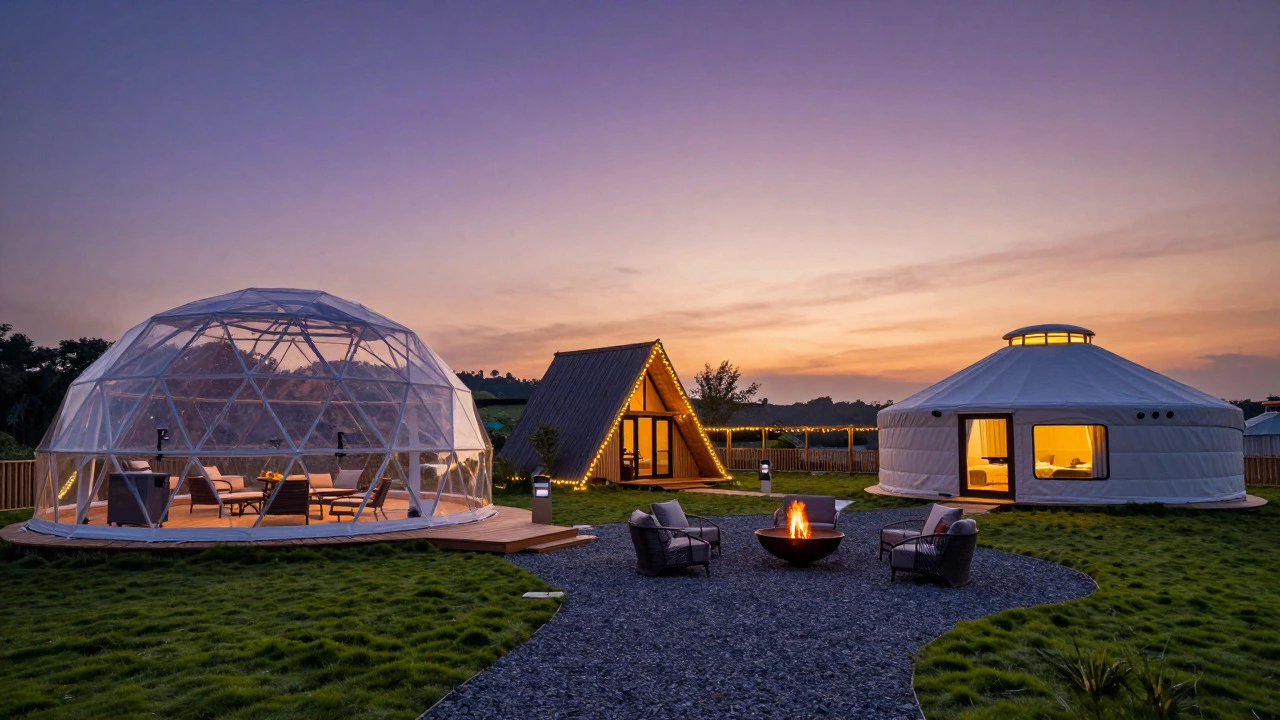
Glamping is inherently photogenic. A-frame cabins, yurts with fairy lights, and safari tents with panoramic views are designed to be shared. This created a feedback loop: people saw beautiful images online, booked similar stays to recreate the photo, and then posted their own images, further validating the trend. The term "glamping" stuck because it perfectly described this aesthetic-driven approach to outdoor living. It wasn’t just about sleeping outside; it was about curating an image of effortless, chic wilderness living.
This visual economy also changed how providers marketed their sites. Instead of listing amenities like "shower block access" or "fire pit," they began selling "experiences." The language shifted from functional to emotional. You aren’t buying a tent; you’re buying a "sanctuary" or an "escape." The name glamping encapsulates this shift. It tells the consumer that they can have the adventure without the grit.
Types of Glamping Accommodations
One reason the term glamping is so broad is that it covers a wide variety of structures. It’s less about the specific building type and more about the level of service and comfort. Here are the most common forms you’ll encounter:
- Safari Tents: Large canvas structures on wooden decks, often found in national parks. They usually include en-suite bathrooms, beds, and sometimes private decks.
- A-Frames and Cabins: Small, architecturally distinct wooden structures. These are permanent buildings but are marketed as glamping due to their rustic-chic design and remote locations.
- Domes and Geodesic Structures: Transparent or semi-transparent domes that allow for stargazing. Popular in desert and mountain regions.
- Yurts: Circular, felt-covered tents originating from Central Asia. Modern glamping yurts are insulated, heated, and furnished with high-end decor.
- Treehouses: Elevated platforms connected by bridges. These offer privacy and immersion in the canopy, often with luxury interiors.
- Clockwork Orange / Bubble Hotels: Inflatable transparent spheres. These provide 360-degree views and are highly sought after for romantic getaways.
Each of these types serves a different niche within the glamping market. Safari tents appeal to those seeking an African-inspired adventure, while A-frames attract couples looking for cozy, minimalist retreats. The common thread is that none of them require you to bring your own bedding, cook your own food, or worry about bears stealing your snacks.
Why the Term Stuck: Psychological Appeal
Language evolves to fill gaps in our communication. Before "glamping," there was no efficient way to describe this hybrid activity. Calling it "luxury camping" was clunky. Calling it "outdoor hotel" sounded sterile. "Glamping" was catchy, short, and memorable. It also carried a certain playful irony. Acknowledging that you are paying a premium to sleep in a tent is funny, and the word reflects that self-awareness.
Psychologically, the term appeals to our desire for authenticity without sacrifice. Modern life is increasingly digital and urbanized. People crave connection with nature, but they are also accustomed to convenience. Glamping resolves this cognitive dissonance. The name signals that you can step away from the screen and into the woods without giving up your shower or your Wi-Fi. It validates the idea that comfort and nature are not mutually exclusive.
Furthermore, the term has become a brandable asset. Businesses can trademark variations of it, use it in hashtags (#glampinglife), and build entire marketing campaigns around it. It has transcended its descriptive function to become a cultural signifier. When you say you’re going glamping, everyone knows exactly what kind of vibe you’re aiming for.
Comparison: Traditional Camping vs. Glamping
To understand why the distinction matters, let’s look at the practical differences. The table below highlights the key contrasts between traditional camping and glamping.
| Feature | Traditional Camping | Glamping |
|---|---|---|
| Accommodation | Tent, hammock, or vehicle | Pre-furnished yurt, cabin, or tent |
| Bedding | Bring your own sleeping bag | Provided high-quality linens and mattress |
| Bathroom | Shared facilities or portable toilet | Private en-suite bathroom |
| Cooking | Campfire or portable stove | Kitchenette, BBQ, or included meals |
| Cost | $10 - $50 per night | $150 - $1,000+ per night |
| Effort Level | High (setup, cleanup, cooking) | Low (check-in and relax) |
This comparison shows that glamping is fundamentally a service industry product, whereas traditional camping is a recreational skill. The price difference reflects the labor, materials, and land costs involved in providing luxury amenities in remote areas. Understanding this helps explain why the term "glamping" is necessary-it sets clear expectations for both the provider and the customer.
The Future of Glamping Terminology
As the market matures, the term glamping may evolve or fragment. We are already seeing sub-categories emerge, such as "eco-glamping" which emphasizes sustainability, or "wilderness glamping" which offers slightly more rugged conditions. Some critics argue that the term has become too broad, encompassing everything from basic cabins to ultra-luxury resorts. This dilution could lead to new terms emerging to distinguish between levels of luxury.
However, for now, glamping remains the dominant label. It captures the imagination of travelers seeking a break from the ordinary without sacrificing comfort. The name is simple, effective, and deeply embedded in the travel lexicon. Whether you’re booking a yurt in Scotland or a treehouse in Bali, you’re participating in a global trend that redefines what it means to camp.
Is glamping considered real camping?
Purists might argue no, as it lacks the self-sufficiency and hardship of traditional camping. However, glamping is a valid form of outdoor recreation that focuses on comfort and accessibility. It allows people to experience nature who might otherwise never leave the city.
Who coined the term glamping?
There is no single credited inventor of the word. It evolved naturally in the British English-speaking community in the early 2000s as a blend of "glamour" and "camping." Its first printed appearance was in The Guardian in 2005.
What is the difference between glamping and a hotel?
The main difference is location and atmosphere. Hotels are typically urban or suburban, while glamping sites are located in natural settings like forests, beaches, or mountains. Glamping aims to immerse guests in nature while providing hotel-like amenities.
Is glamping expensive?
Yes, glamping is generally more expensive than traditional camping. Prices vary widely depending on location and amenities, but expect to pay significantly more for the convenience, luxury furnishings, and private facilities.
Can you glamp year-round?
Many glamping sites are equipped for year-round stays with heating, insulation, and weather-resistant structures. However, some seasonal sites may close during extreme winter months. Always check the specific site's operating calendar.