Why is Camping Illegal in the US? Understanding Public Land Rules
 Apr, 13 2026
US Camping Legality Checker
Select your planned location and camping style to check the general legality of your stay.
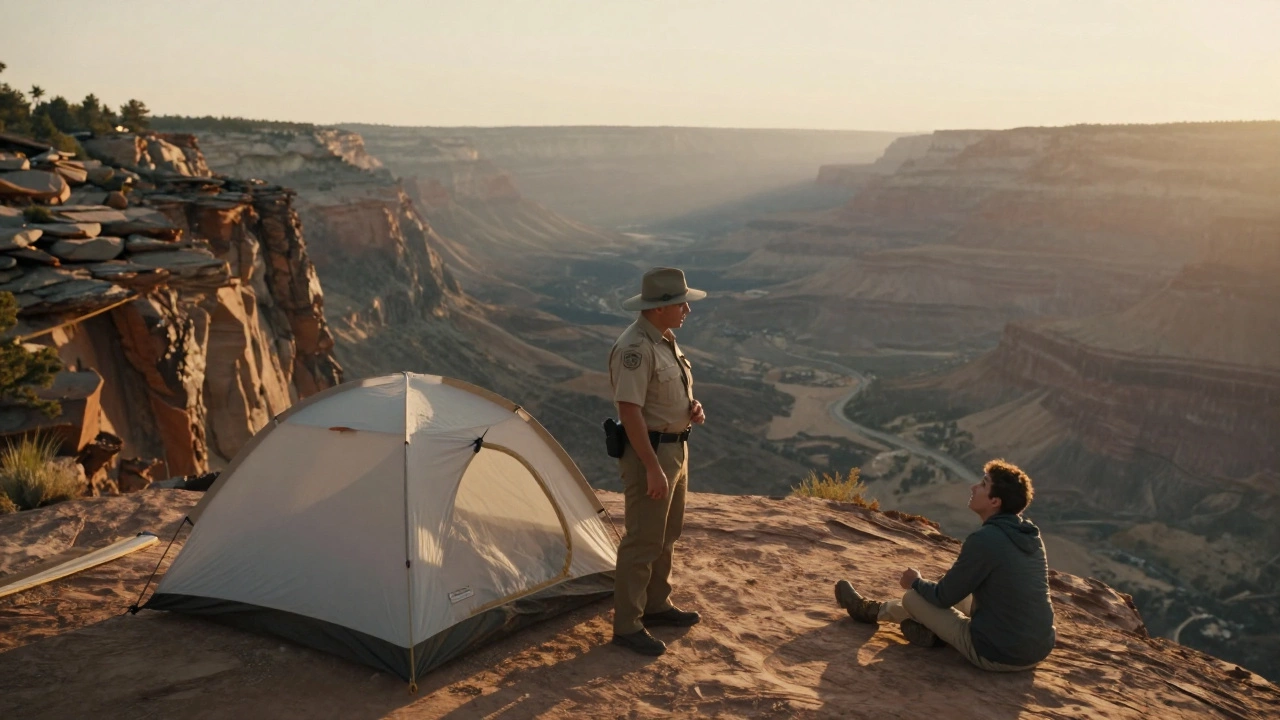
Imagine driving for six hours through the breathtaking landscapes of the American West, finding a perfect, secluded cliffside, and pitching your tent-only to be woken up at 6 AM by a ranger telling you that you're trespassing. It feels like a contradiction. The US is famous for its vast wilderness, yet you'll often find signs explicitly stating that camping is prohibited. Why is that? The short answer is that the US doesn't actually have a single "camping law," but rather a complex web of land ownership rules that change the moment you cross an invisible line on a map.
- The US does not have a universal "right to roam" like Scandinavia.
- Legality depends entirely on who owns the land (Federal, State, or Private).
- "Wild camping" is often rebranded as "dispersed camping" on specific public lands.
- National Parks usually require permits and designated sites to protect fragile ecosystems.
The Myth of the Open Range
A lot of people coming from Europe or Australia assume that if land looks empty, it's fair game. However, in the US, every single square inch of dirt is owned by someone. Whether it's a private rancher, a state government, or the federal government, there is always a landlord. Unlike the UK or Sweden, the US has no Right to Roam, which is a legal concept allowing the public to walk or camp on private land for recreation. If you set up a tent on private property without permission, it's not just "illegal camping"-it's criminal trespassing.
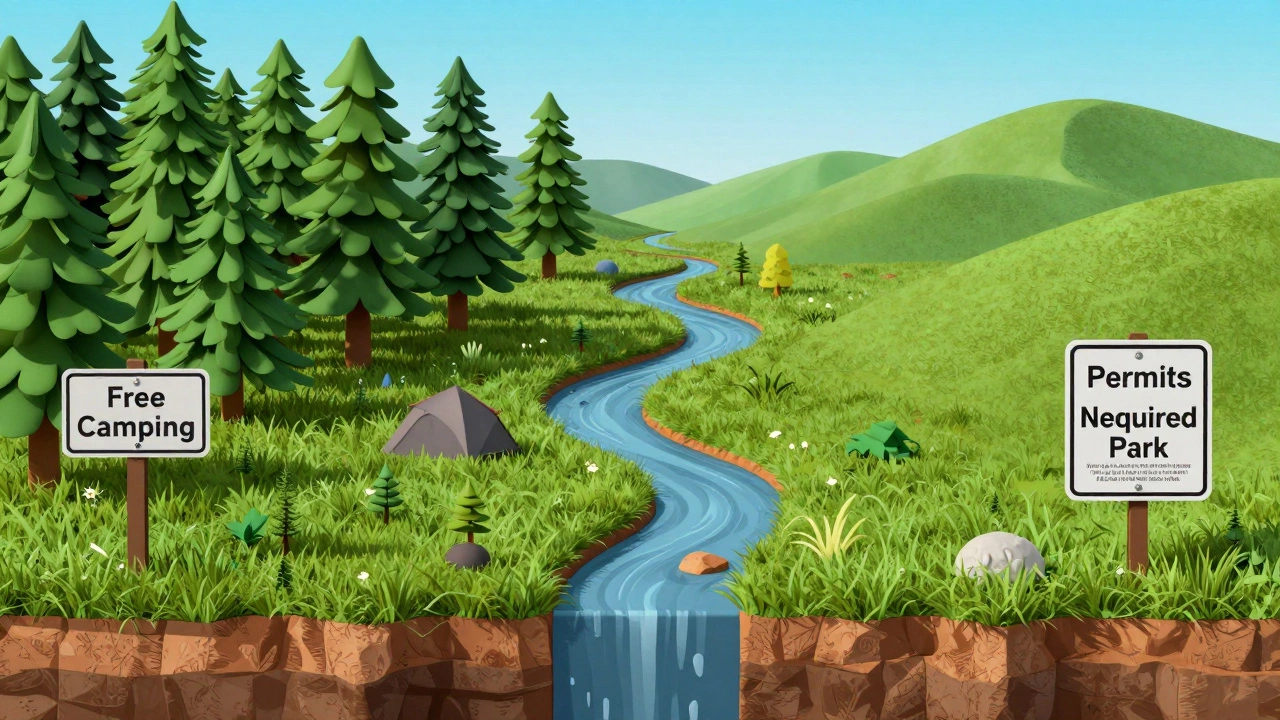
Even on public land, the rules are strict. You might be standing in a National Forest where you can camp for free, but if you walk 500 yards across a creek, you might suddenly be in a National Park where the same action will get you a $200 fine. This fragmented ownership is why it feels like camping is "illegal" in so many places; you're simply in the wrong jurisdiction for the activity.
The Big Players: Who Controls the Land?
To understand where you can actually put your sleeping bag, you have to know the different agencies managing the dirt. Each one has a completely different philosophy on how to handle visitors.
First, there's the Bureau of Land Management (or BLM). This agency manages about 245 million acres of public land. For most campers, BLM land is the gold standard because it allows for dispersed camping, which is camping outside of a developed campground, often without toilets or water. On most BLM land, you can just pull over and camp for up to 14 days for free, provided you aren't in a restricted wildlife area.
Then you have the U.S. Forest Service (USFS). Like the BLM, the USFS often allows dispersed camping in "National Forests." However, they are more likely to close specific areas during the summer to prevent wildfires. If you see a "Fire Ban" sign, ignoring it can lead to felony charges if you accidentally start a blaze.
The most restrictive are the National Parks. Because these areas are designed to protect unique geological features and endangered species, they almost never allow you to just "find a spot." You must stay in designated campsites. This is to prevent soil compaction and the destruction of native flora that takes decades to grow back.
| Agency | General Rule | Cost | Restriction Level |
|---|---|---|---|
| BLM | Dispersed camping usually allowed | Free | Low |
| US Forest Service | Allowed in specific forest zones | Free/Low | Moderate |
| National Parks | Designated sites only | Paid/Permit | High |
| State Parks | Designated sites only | Paid | High |
Why the Restrictions Actually Exist
It's easy to feel like the government is just being controlling, but the bans on wild camping laws are usually based on three concrete problems: fire, waste, and wildlife.
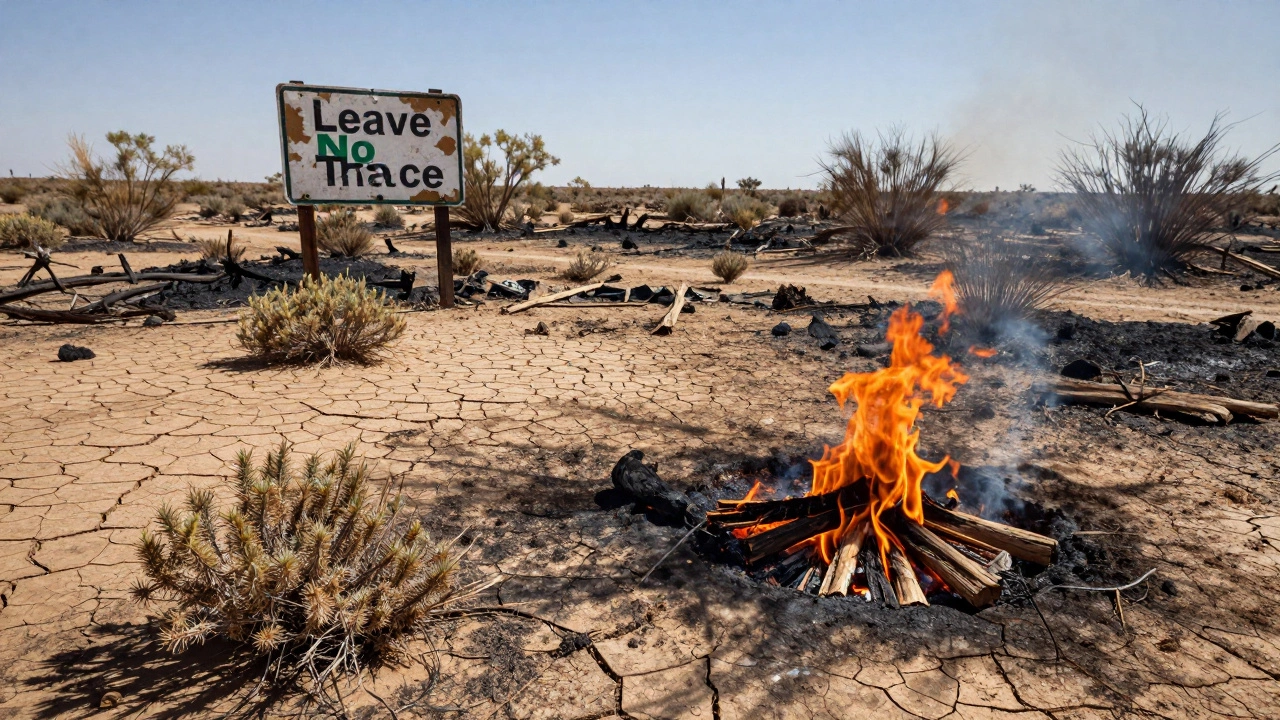
Fire is the biggest concern. In states like California or Colorado, a single stray ember from a campfire can incinerate thousands of acres of forest. By forcing people into designated campsites, rangers can ensure that fire rings are used and that there is a water source nearby to extinguish flames. When people camp illegally in the "wild," they often build fires in places where the wind can carry sparks into dry brush.
Then there's the "human' element. Have you ever walked near a popular but illegal campsite and smelled something foul? Without designated toilets, campers leave waste everywhere. In high-altitude or desert environments, human waste doesn't decompose quickly. It can contaminate water sources used by both humans and animals. This is why many areas require a Leave No Trace approach, where you are required to pack out everything you bring in, including trash and biological waste.
Finally, there's the impact on wildlife. Animals have "corridors" they use to move between feeding and breeding grounds. When humans set up camps in these corridors, it stresses the animals and can force them to abandon their young or migrate to dangerous areas. Restricted camping zones act as a buffer, keeping the wilderness truly wild.
How to Camp Legally Without a Campground
If you hate the idea of a crowded RV park with concrete pads and noisy neighbors, you can still find solitude. The trick is using the right tools to identify land ownership before you park.
- Use Public Land Maps: Apps like OnX or Gaia GPS show property boundaries. If the map says "Private," don't even think about it. If it says "BLM" or "National Forest," you're likely in the clear for dispersed camping.
- The 100-Foot Rule: Even on BLM land, you generally can't camp right next to a river or a trail. A good rule of thumb is to stay at least 100 to 200 feet away from water sources to protect the riparian zone.
- Check for "Seasonal Closures": Many forests close to camping from May to September to protect nesting birds or prevent fires. Always check the local Ranger Station website for the current status.
- Look for Existing Fire Rings: If you see a ring made of stones that looks like it's been used for years, that's a signal that the spot is generally accepted for camping. Creating a new fire pit is often illegal.
Dealing with the Ranger
If you do get caught camping where you shouldn't, the way you handle the interaction matters. Rangers have a lot of discretion. If you're respectful and can show that you've followed Leave No Trace principles-meaning no trash and no scorched earth-they are more likely to give you a warning and ask you to move along. If you're belligerent or have left a mess, expect a heavy fine.
It's also worth noting that some areas require "backcountry permits." These aren't necessarily about money; they are about counting heads. If a forest fire breaks out, the Forest Service needs to know exactly how many people are in a specific zone so they can coordinate rescues. Camping without a required permit isn't just a rule violation; it's a safety risk.
Can I camp on any BLM land?
Generally, yes, but there are exceptions. Some BLM areas are designated as "Wilderness Study Areas" or have specific environmental protections that forbid camping. Always check the specific land management plan for the region you are visiting.
What happens if I camp on private land without permission?
You can be cited for criminal trespassing. Depending on the state and the landowner, this can range from a simple fine to being arrested. In some rural areas of the West, landowners are very protective of their property and may call the sheriff immediately.
Is "stealth camping' legal in US cities?
Almost always no. Most cities have ordinances against sleeping in vehicles or tents in public parks or on streets. These are usually enforced through local city codes rather than federal law.
Do I need a permit for dispersed camping in National Forests?
In many cases, no. However, some highly popular forests require a "Wilderness Permit' or a 'Fire Permit' if you plan on having a campfire. Always check the local USFS ranger district website before heading out.
How long can I stay in one spot on public land?
The standard limit for BLM and National Forest land is 14 consecutive days. After that, you must move your camp at least 25 miles away to prevent overusing a single area of land.
Next Steps for Your Trip
If you're planning a road trip, start by downloading an app that identifies land boundaries. Don't rely on a physical map, as land ownership can change or be divided into small parcels. Once you find a BLM or USFS area, call the local ranger station to ask about current fire restrictions and water availability. If you're traveling with a family, consider a hybrid approach: spend a few nights at a registered family campsite to get your bearings, then venture out into the dispersed areas once you're comfortable with the local rules.