Why are tent campsites so expensive? 2026 Breakdown
 Mar, 30 2026
Walking up to the reception desk and seeing the nightly rate hit your credit card for over $100 feels wrong when you're pitching a tent. It sounds like a hotel price. But if you've been trying to find a spot for your family vacation this year, you know the sticker shock is real. Back in the early 2020s, a basic pitch was often $30 to $40. By 2026, that same plot of dirt can easily run double that figure. You aren't imagining the price hike; it's backed by hard numbers. Understanding where these costs come from changes how you view your booking strategy.
Tent Campsites are no longer just patches of grass in a field. They have evolved into complex businesses dealing with rising overheads, stricter environmental regulations, and high demand. When you pay for a tent site, you aren't paying for the ground alone. You are paying for the infrastructure buried beneath it and the team maintaining it.
The Real Estate Game
Land is becoming harder to come by. Properties suitable for camping-flat enough, near water, not prone to flooding, and located near scenic attractions-are scarce commodities. In many regions, land values have climbed faster than the stock market. A campground owner isn't just running a business; they are holding onto valuable assets that could be rezoned for housing developments or commercial use anytime.
This scarcity drives up the entry cost significantly. If a site owner bought land years ago, their debt might still be tied to mortgage payments calculated on rising rates. Even worse, new sites have to buy land at today's inflated market prices. They need to cover those asset costs while keeping the lights on. In popular holiday areas, the cost per acre is astronomical compared to five years ago. When you see a price jump, look at the property itself. Is it near a national park? Does it sit on a lakefront? Those location perks add a premium that trickles down to your nightly fee.
Infrastructure You Can't See
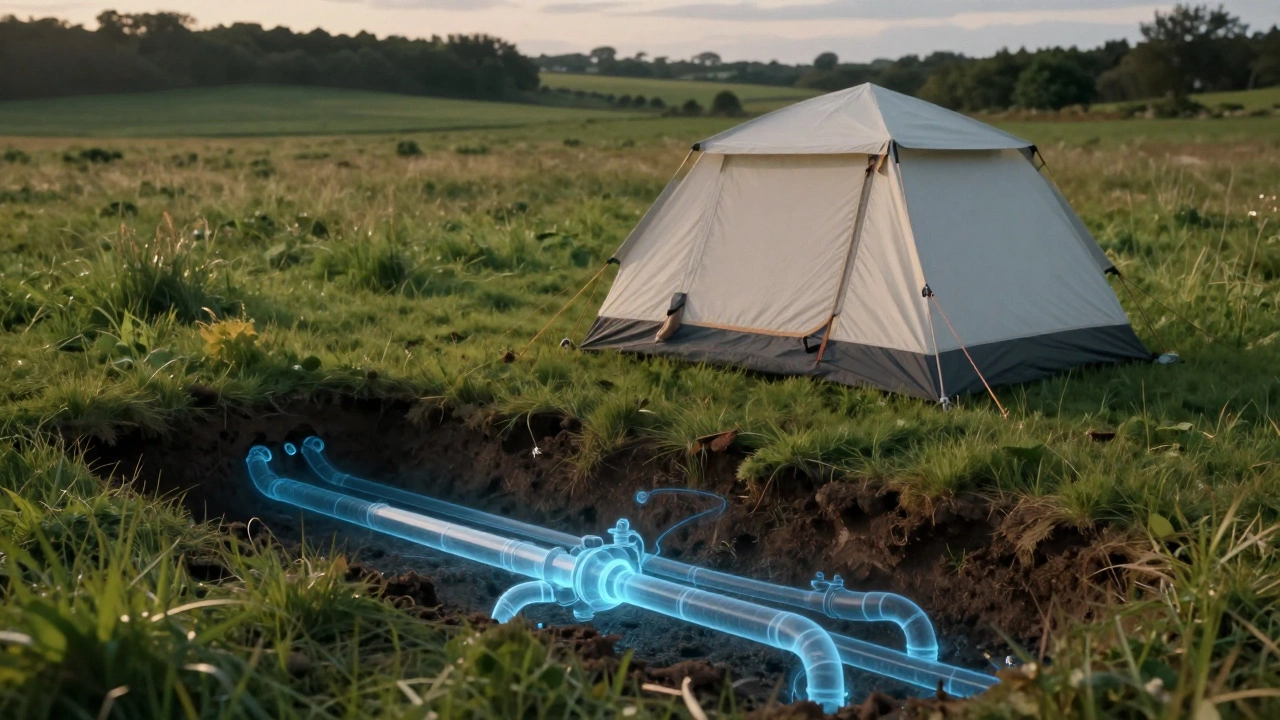
We tend to think of a campsite as open space, but there is a lot happening underground. Modern Campsite Amenities require heavy investment. Every hookup block needs electrical wiring running deep underground. Potable water lines stretch across miles of terrain to reach your tap. Sewage systems and septic fields are regulated strictly by local health departments.
- Septic maintenance requires professional inspections twice a year.
- Electrical hookups need regular safety checks to prevent fires.
- Water filtration systems filter sediment to meet drinking standards.
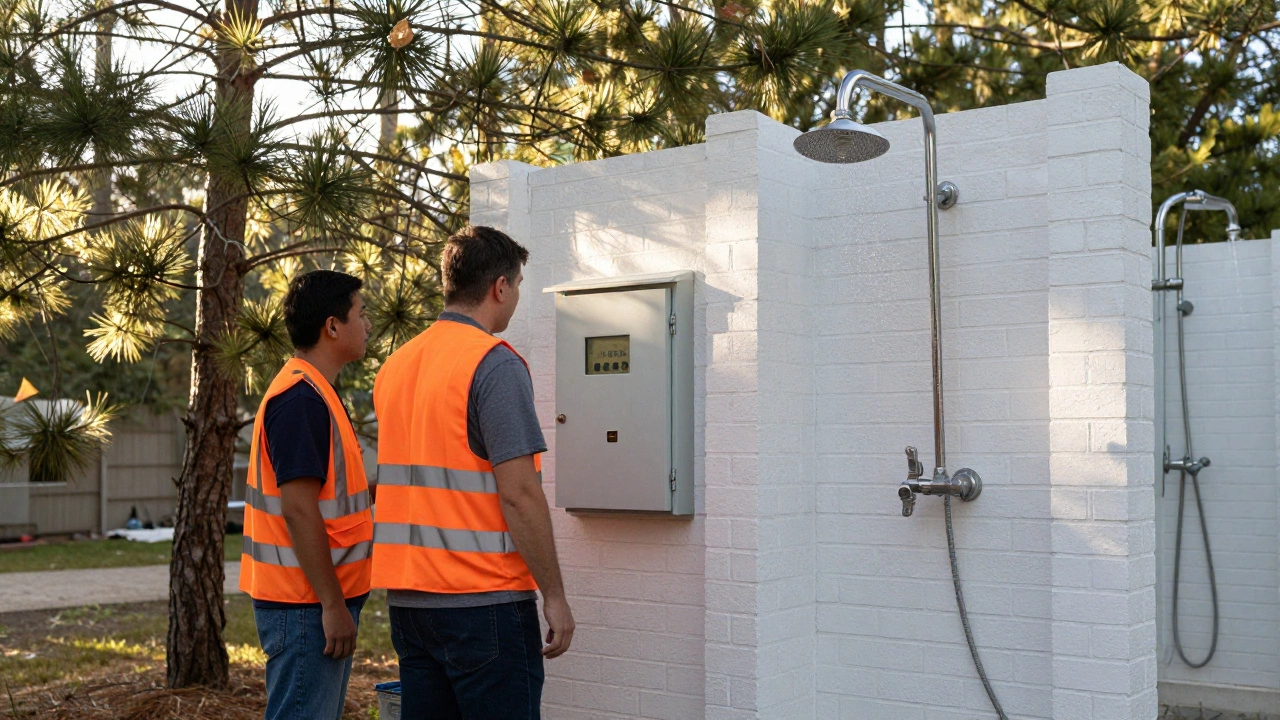
All these systems age. Pipes burst. Pumps fail. The replacement cost for these infrastructures is massive. An upgrade to modernize a shower block from an old facility to a clean, heated one can cost a manager hundreds of thousands of dollars. That capital expenditure gets amortized into the site fees. When you arrive, you don't see the pipes, but you definitely see the plumbing fixtures that tell you the money went toward upgrades.
Operational Costs and Labor
Running a campsite is labor-intensive work. It requires front office staff, security, maintenance crews, and groundskeepers. The wage gap in 2026 means minimum wage laws are tighter, and skilled labor is pricier. Owners have to match competitive salaries to keep people working during the busy summer months. Security is another big factor. In crowded tourist zones, theft prevention is essential. Hiring rangers or installing surveillance cameras adds monthly operational expenses.
Consider insurance too. Property owners' liability insurance has seen sharp spikes in recent years due to weather-related claims. Fires, floods, and extreme weather events force companies to raise premiums. A large campground might pay tens of thousands annually just for coverage. These fixed costs must be recovered through room and tent pitches. There is no way around passing these operational necessities to the consumer. The bill comes every day of the season.
Inflation and Utility Rates
Economic pressures continue to shape the industry. Energy costs are volatile. Heated showers, hot tubs, and laundry rooms consume significant amounts of gas or electricity. Global fuel prices impact how much the manager pays to pump diesel for generators or maintain the roads within the park. If energy costs rise by 10%, that impacts the bottom line immediately.
Inflation affects purchasing power globally. Materials used to build fences, repair cabins, or lay gravel are subject to supply chain delays. Buying timber or steel in 2026 is different from buying it a decade ago. Shipping logistics for restocking stores or food at remote locations also face higher transport fees. All these small increases compound. Add them up, and they dictate why your $40 bill from three years ago has turned into a $90 bill today. It reflects the global economic reality rather than a single greedy decision by a camp host.
Supply, Demand, and Seasonality
Basic economics still rule the road. People love outdoor living. Post-pandemic travel trends stuck. More families are choosing camping over hotels for vacations. They want nature, connection, and activities. This surge in demand outstrips the number of available sites. When demand exceeds supply, prices rise naturally.
Seasonality plays a massive role. Sites need to make their yearly revenue in a few short months. During the off-season, the lights stay on, taxes get paid, and loans get serviced. To survive winter, owners rely on peak summer earnings. Therefore, peak season rates are often inflated to subsidize the low season maintenance. If you book in July, your rate helps pay for the snow removal in January.
The "Glamper" Effect
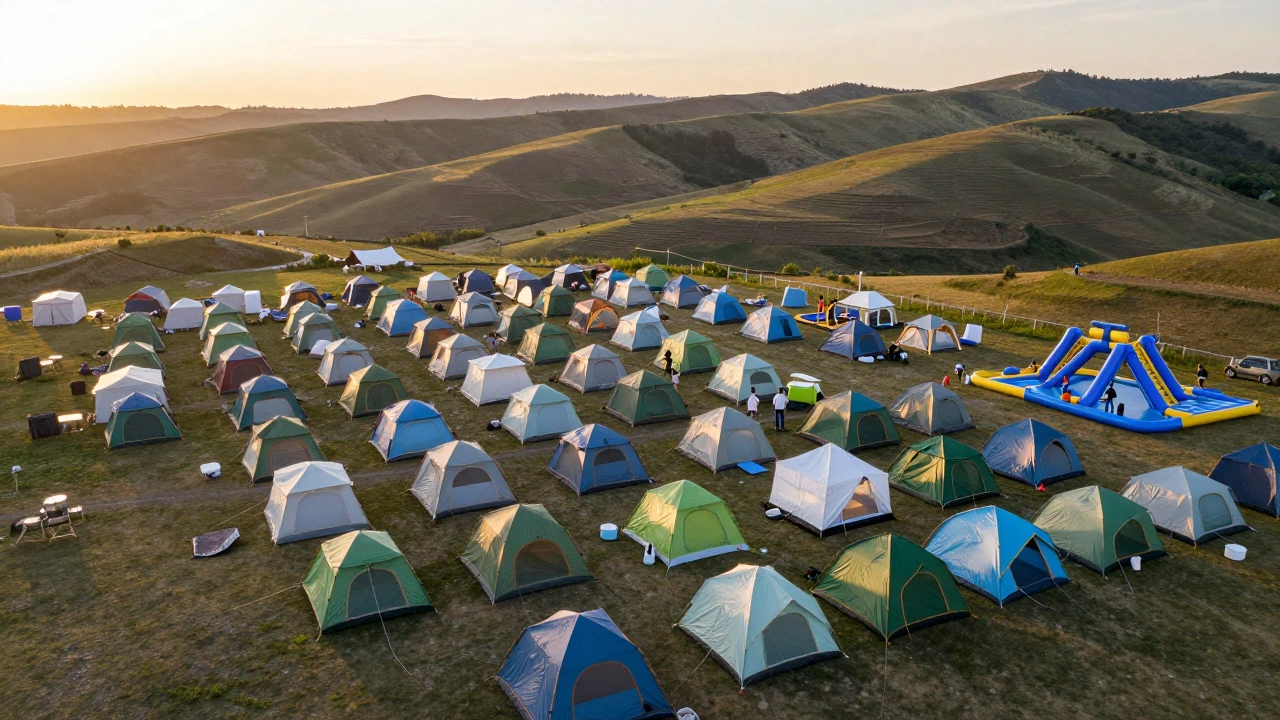
Luxury camping changed expectations. Glamping sites charge hotel-like prices for a tent experience. While this targets a different crowd, it sets a precedent for pricing across the board. Regular Family Campsites started adding better Wi-Fi, cleaner bathrooms, and play areas to compete. They aren't luxury, but they aren't bare-bones anymore either.
Families now expect amenities like dog parks, playgrounds, and safe swimming areas. Building these features costs money. Adding a splash pad for kids involves engineering permits and constant maintenance. If a site offers high-quality facilities, they must charge for upkeep. The average camper expects comfort comparable to a budget motel. Meeting those expectations increases the operating budget significantly. The bar has shifted upward on what constitutes a standard pitch.
Booking Platform Fees
There is another layer of cost added digitally. Most campgrounds don't take bookings directly anymore. They rely on third-party apps and booking engines. These platforms charge commission fees ranging from 10% to 25% per transaction. Some campgrounds bake this commission into the published price so guests aren't shocked at checkout.
Using a reservation system saves the owner time on administration, but the platform takes a cut. Sometimes you see two prices online: the direct rate and the online rate. The latter includes service fees. If the campground lists the full price including fees upfront, the base number looks higher than it actually is. Check the terms carefully. You might pay more simply for the convenience of a digital booking confirmation.