Which RVs Hold Their Value Best? A Guide to Depreciation
 Apr, 20 2026
RV Depreciation Estimator
Estimated Resale Value
$0.00
The hard truth is that most RV resale value is a sliding scale where convenience usually costs you money in the long run. While a massive luxury liner is great for a cross-country tour, the cost of maintaining those complex systems often scares away second-hand buyers. If you want a vehicle that holds its value, you need to find the sweet spot between a niche luxury item and a basic utility trailer.
The Quick Breakdown: Value Retention
Before we get into the weeds, here is the reality of how different types of rigs hold up over time. Some are practically anchors for your wallet, while others are surprisingly stable.
| RV Type | Value Retention (5 Years) | Primary Value Driver |
|---|---|---|
| Travel Trailers | Moderate to High | Utility and Price Point |
| Class C Motorhomes | Moderate | Family Demand |
| Class A Motorhomes | Low to Moderate | Luxury Brand / Condition |
| Truck Campers | High | Niche Utility |
| Fifth Wheels | Moderate | Towing Capacity |
The Heavy Hitters: Why Travel Trailers Win
If you're looking for the safest bet, Travel Trailers are your best friend. Why? Because they are simple. There is no engine to blow up, no transmission to slip, and no complex dashboard electronics to glitch out. When a buyer looks at a five-year-old trailer, they aren't worried about the mileage; they're looking at the seals on the roof and the condition of the upholstery.
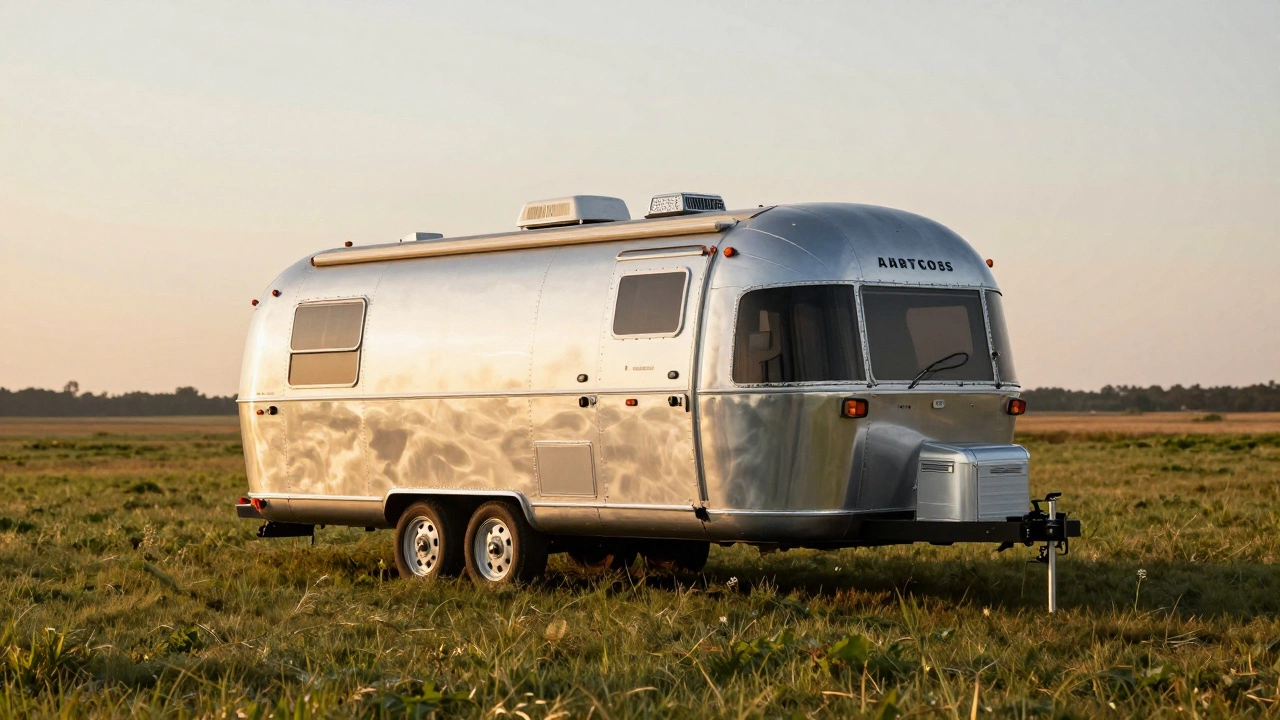
Because travel trailers have a lower entry price, there is a massive pool of first-time buyers. A family looking for their first camping experience will almost always choose a used travel trailer over a used Class A motorhome because it's less intimidating. This constant demand keeps prices from cratering. For example, a well-maintained Airstream-a specific brand of aluminum trailer-is famous for holding value, sometimes even appreciating if it's a vintage model restored to a high standard.
The Middle Ground: Class C Motorhomes
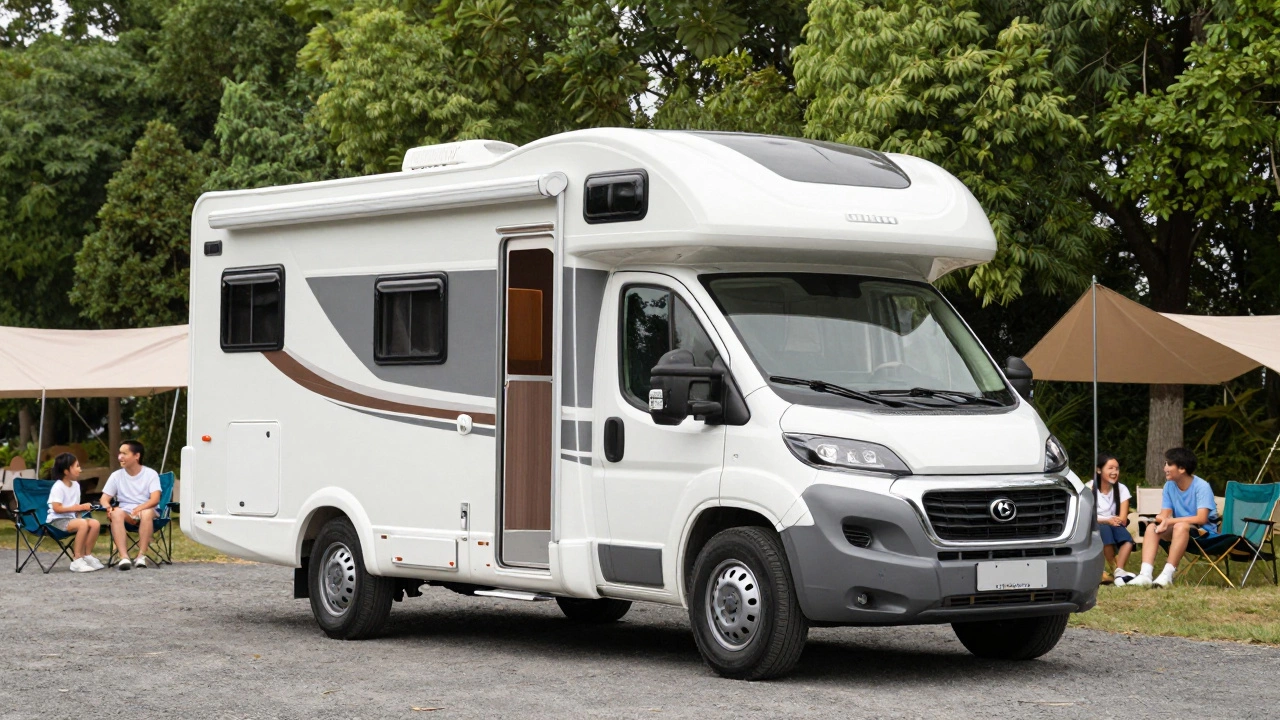
Class C Motorhomes-the ones built on a truck or van chassis with that distinct over-cab sleeping area-occupy a weird space. They are essentially the "family SUVs" of the RV world. They hold value better than the giant Class A buses because they are easier to drive and park.
The key to value retention here is the chassis. If it's built on a reliable platform like a Ford E-Series, buyers will trust it. However, you'll see a sharper drop in value if the interior is overly customized. Stick to neutral colors and factory layouts. A "custom" interior might look great to you, but to a buyer in five years, it looks like a project they have to spend money to undo. If you buy a Class C for a family of four, you're tapping into the largest demographic of renters and buyers, which stabilizes the price.
The Luxury Trap: Class A Motorhomes
Now, let's talk about the Class A Motorhomes. These are the behemoths that look like commercial buses. On paper, they are the most impressive, but financially, they can be a nightmare. The depreciation on a new Class A is brutal. You can easily lose 30% to 50% of the value in the first few years.
Why does this happen? Complexity. A Class A is essentially a moving hotel with an engine. Between the slide-outs, the complex electrical grids, and the massive diesel engines, there are a thousand things that can go wrong. Second-hand buyers are terrified of "inheriting" someone else's mechanical disaster. To make a Class A hold its value, you have to buy a top-tier brand known for build quality. If you buy a budget Class A, you're basically paying for the privilege of losing money quickly.
The Secret Weapon: Truck Campers and Van Conversions
If you really want to avoid the depreciation slide, look at Truck Campers or professionally converted camper vans. These aren't for everyone-they're cramped and sometimes lack a proper bathroom-but they have a cult following.
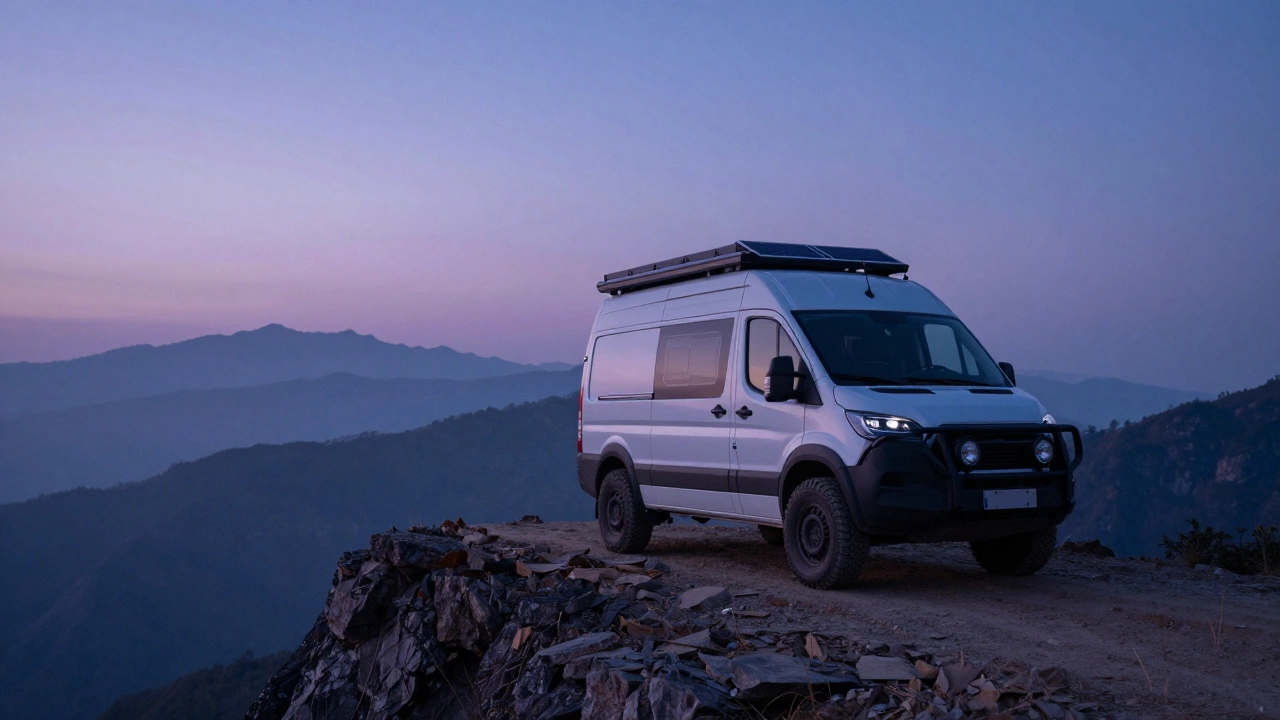
The demand for "off-grid" and "overlanding" setups has exploded. A high-quality 4x4 van conversion often retains a huge percentage of its value because the people buying them aren't looking for a luxury home; they're looking for a tool to explore the wilderness. When the demand for a specific lifestyle (like digital nomadism) spikes, the equipment associated with it stays expensive. If you buy a rig that can go where a Class A cannot, you're insulating yourself from the standard luxury depreciation curve.
Factors That Kill Your Resale Value
Regardless of the type of RV you choose, there are a few specific things that will tank your value faster than a bad engine. First is water damage. A single leak in the roof can rot the frame of a trailer or motorhome, turning a $50,000 rig into a $10,000 project. Buyers will run a mile if they see water stains on the ceiling.
Second is the "pet and smoke" factor. RVs are small, and smells linger. A rig that smells like a wet dog or old cigarettes is almost impossible to sell at full market value. If you're planning to sell in a few years, keep the interior pristine. Use washable covers on the furniture and avoid smoking inside at all costs.
Lastly, ignore the "latest and greatest" gimmicks. That fancy built-in espresso machine or the 80-inch 4K TV might seem like a selling point now, but in five years, it will be outdated tech. Buyers care about the basics: does the AC work? Is the fridge cold? Do the slide-outs move smoothly? Focus your budget on high-quality mechanicals rather than flashy electronics.
How to Buy for Value Retention
If your goal is to spend the least amount of money over the ownership period, don't buy new. The "new car smell" in an RV is actually the smell of your equity evaporating. The smartest move is to buy a two-to-three-year-old rig. By then, the first owner has already taken the massive initial depreciation hit, but the vehicle is still modern enough to be desirable.
Check the service records meticulously. A rig with a documented history of oil changes and roof sealing is worth significantly more than one with a "trust me, I took care of it" verbal promise. When you buy used, you're essentially buying the previous owner's maintenance habits. If they were diligent, the value will hold. If they were lazy, you're buying a liability.
Do diesel RVs hold value better than gas RVs?
Generally, yes, especially in Class A motorhomes. Diesel pushers are more expensive to buy but are seen as more durable and capable of longer trips. Because they have a longer engine lifespan and higher towing capacity, they tend to attract a more serious buyer and maintain a higher percentage of their original price than gas-powered equivalents.
Does the brand of the RV really matter for resale?
Absolutely. In the RV world, brand name is often a proxy for build quality. Brands that use higher-grade materials and have better reputations for leak-proofing will always command a premium. For example, an Airstream trailer will almost always hold more value than a generic fiberglass trailer because of the brand's iconic status and aluminum construction.
What is the fastest way to lose money on an RV?
Buying a brand new, high-end Class A motorhome with a lot of complex electronic gadgets. The combination of immediate depreciation, high maintenance costs, and the rapid obsolescence of the interior tech makes this the riskiest financial move in the RV world.
Are fifth wheels better than travel trailers for value?
Fifth wheels offer more luxury and space, which is great for the user, but they have a smaller pool of potential buyers because they require a heavy-duty truck to tow. Travel trailers are more "universal," meaning more people can buy them, which usually leads to better value retention and a faster sale.
Will adding solar panels increase the resale value?
It can, but don't expect to get 100% of your investment back. Solar is a highly desired feature for the modern "boondocking" crowd, so it makes your RV more attractive and easier to sell. However, the hardware depreciates quickly, so while it helps the sale, it rarely adds a dollar-for-dollar increase to the price tag.