Which RV Type Has the Least Problems? A Reliability Guide
 Aug, 30 2026
RV Reliability Estimator
Select your preferred RV type and key features to see a reliability score and common issues based on industry standards.
1. Select RV Type
2. Key Features & Conditions
Mechanical Reliability
House System Issues
Maintenance Cost
Top Recommendation
Potential Failure Points Detected:
You just signed the rental agreement. The keys are in your hand. You’re ready to hit the open road. Then it happens: a weird noise from under the hood, or worse, the water pump won’t prime. Nothing kills the vibe of a holiday faster than mechanical failure. If you’ve ever wondered which RV type has the least problems, you aren’t alone. It’s the first question seasoned travelers ask before booking their next trip.
Here’s the blunt truth: there is no such thing as a zero-maintenance vehicle. But some setups fail less often, and more importantly, they fail less painfully. As someone who has spent years navigating the rental fleets in Western Australia, I’ve seen everything from pristine vans to converted buses that look like they survived a war zone. Let’s break down which rigs actually hold up when the rubber meets the gravel.
The Simplicity Rule: Why Smaller Often Means Safer
Complexity is the enemy of reliability. This isn’t just an engineering adage; it’s the golden rule of RV ownership and hiring. Think about what breaks in a motorhome. It’s rarely the engine itself-unless you’re driving a neglected diesel. It’s the house systems. The slide-outs, the hydraulic jacks, the multiple air conditioners, the complex plumbing lines running through insulated walls, and the heavy-duty generators.
When you strip away the luxury features, you remove the potential failure points. A basic setup has fewer moving parts, fewer electrical circuits to short out, and less weight stressing the chassis. This is why smaller units generally have lower downtime rates. If you want a stress-free trip, prioritize simplicity over square footage.
Class B Camper Vans: The Reliability Champions
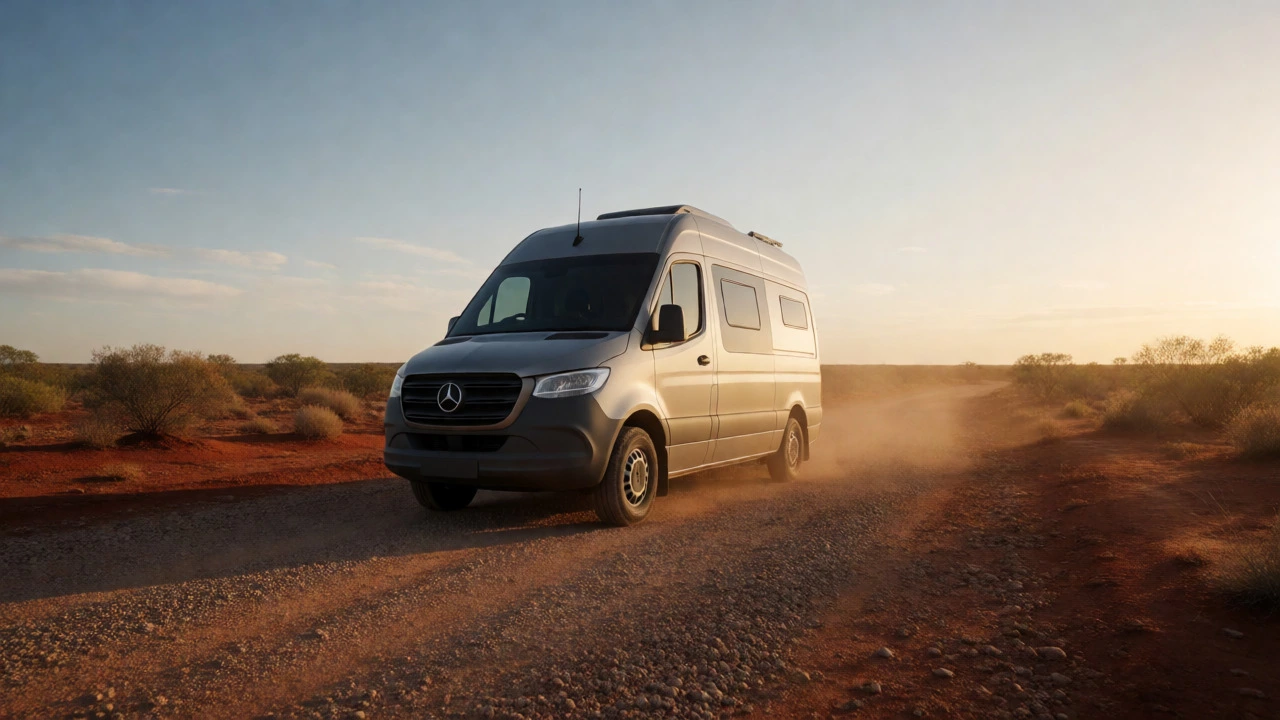
If we had to pick one winner for reliability, it’s the Class B camper van. These are built on commercial van chassis, like the Mercedes Sprinter, Ford Transit, or Volkswagen Crafter. Why do they win? Because the base vehicle is designed for daily commercial use. Delivery drivers run these vans 10 hours a day, every day. They are engineered for durability.
The conversion inside a Class B is usually minimal compared to larger rigs. There are no massive slide-out rooms to jam. The plumbing is compact, meaning shorter pipe runs and fewer leaks. The electrical system is simpler because the living space is smaller. Yes, you sacrifice storage and standing height (in many models), but you gain peace of mind. In my experience renting out Sprinters in Perth, breakdowns are rare if the service schedule was followed. The main issue here isn’t mechanical failure; it’s wear and tear on interior fittings due to tight spaces.
| RV Type | Mechanical Reliability | House System Issues | Maintenance Cost |
|---|---|---|---|
| Class B Van | High (Commercial Chassis) | Low (Simple Systems) | Low |
| Travel Trailer | N/A (Towed) | Medium (Plumbing/Electrical) | Low-Medium |
| Class C Motorhome | Medium (Heavy Load) | Medium-High (Slide-outs) | Medium |
| Class A Motorhome | Low-Medium (Complex) | High (Many Components) | High |
Travel Trailers: No Engine, No Problem?
A travel trailer removes the biggest source of anxiety: the engine. Since you’re towing it with your own car or truck, if the tow vehicle breaks down, you can still drive home. If the trailer breaks down, you can often leave it at a campground and finish your trip in a hotel without losing the whole holiday.
However, "no engine" doesn't mean "no problems." Travel trailers suffer from structural fatigue. Constant towing causes vibrations that loosen screws, crack cabinetry, and separate roof seals. Plumbing is another weak point. Water heaters and tanks are prone to corrosion if not winterized properly. But here’s the kicker: fixing a travel trailer is usually cheaper and easier than fixing a motorhome. You don’t need a specialized RV mechanic for most repairs; a good handyman or auto electrician can handle 80% of the issues.
Class C Motorhomes: The Middle Ground with Hidden Risks
Class C motorhomes are the popular choice for families because they offer a cab-over bed and decent living space. Built on a cutaway chassis (usually a Ford E-Series or similar), they are heavier than vans. This extra weight puts significant strain on the transmission and suspension.
The biggest problem with Class Cs is the cab-over section. The joint between the cab and the living area is a notorious leak point. Water gets in, rots the wood, and damages the electronics below. Also, the slide-outs (the part that extends outward) are mechanical nightmares waiting to happen. Motors burn out, rails get bent, and seals fail. If you hire a Class C, inspect the slide-out mechanism thoroughly. Ask the rental company when it was last serviced. If it’s been sitting idle for months, expect trouble.
Class A Motorhomes: Luxury Comes With a Price Tag
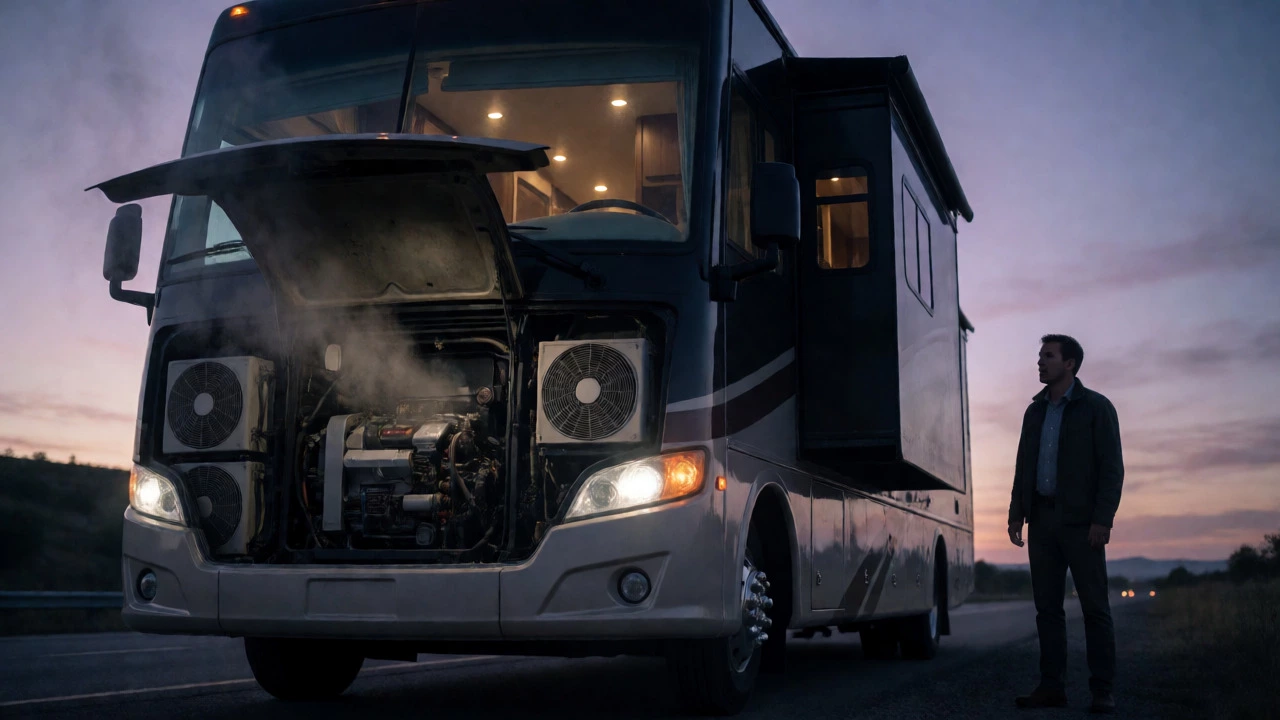
These are the big buses of the RV world. They look impressive and offer apartment-like comfort. But they are also the most problematic. Why? Complexity. A Class A might have two air conditioning units, a large generator, multiple water pumps, a hydraulic leveling system, and a massive battery bank. Every single one of these components is a potential point of failure.
Furthermore, Class A vehicles are expensive to repair. If your transmission goes, you’re looking at thousands of dollars and days of downtime. For a renter, this means if something breaks, you might be stuck waiting for a specialized technician who can only come once a week. Unless you are experienced with troubleshooting complex systems, avoid Class A rentals unless you’re staying in established caravan parks with full hookups where you can minimize usage of off-grid systems.
The Australian Context: Heat, Dust, and Roads
Living in Perth, I see specific challenges that affect reliability. Our roads can be rough, especially in the outback. This shakes loose connections in all RV types. Our heat is brutal on batteries and tires. A standard lead-acid battery might die in three years in our climate, whereas lithium-ion batteries last longer but require proper management systems.
Dust is another killer. It clogs air filters, overheats engines, and jams slide-out mechanisms. If you’re planning a long-distance trip, check the air filter and cooling system before you leave. Rental companies sometimes skip deep cleaning between hires. Don’t assume the filter is clean. Take five minutes to pop the hood and check. It’s the easiest way to prevent a mid-trip breakdown.
How to Spot a Trouble-Free Rental
You can’t always choose the exact year and model when hiring, but you can assess the condition. Here is a quick checklist to ensure you’re picking a reliable unit:
- Check the Tires: Look for cracking sidewalls. Old tires blow out easily. If they look shiny and new, ask when they were replaced. If they’re original from 5+ years ago, replace them.
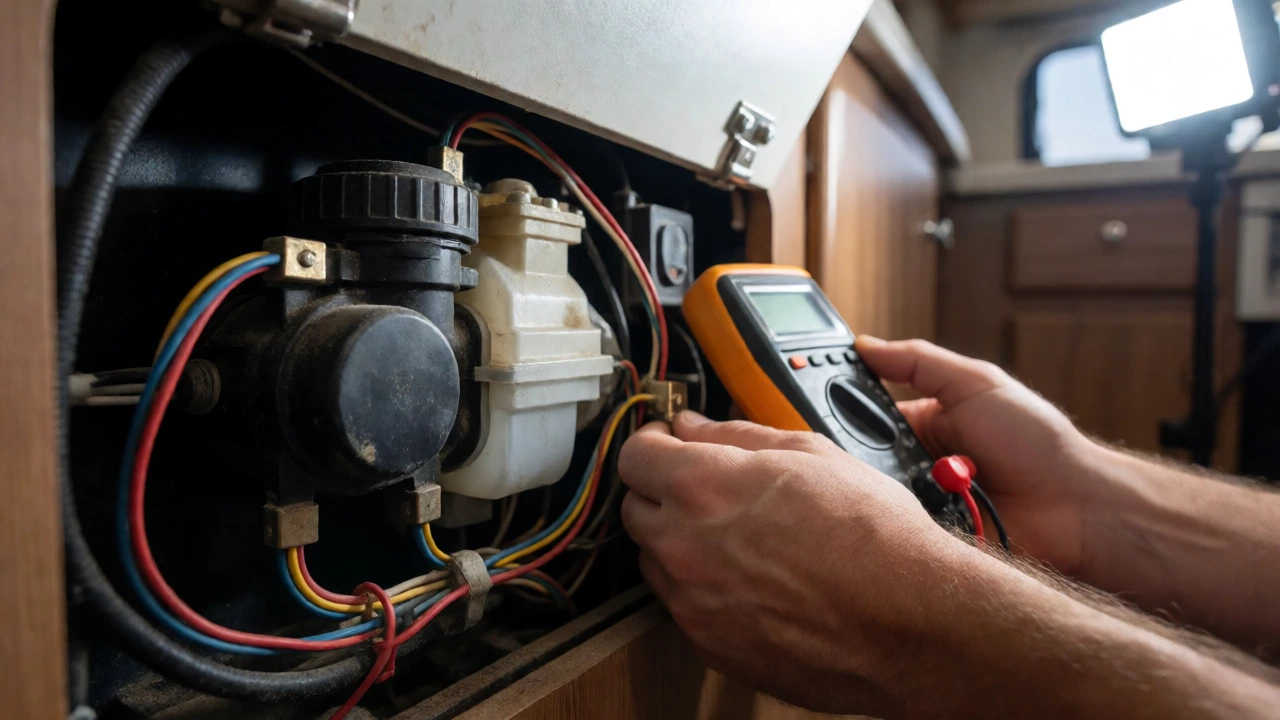
- Test All Electronics: Turn on every light, fan, and outlet. Bring a multimeter or a simple plug tester. Dead outlets are common and annoying.
- Inspect Seals: Run your finger along window and door seals. If they’re brittle or missing chunks, rain will get in.
- Listen to the Generator: Start it up. Listen for irregular idling or smoke. Generators are often neglected because owners prefer shore power.
- Smell for Damp: Walk into the back of the unit. A musty smell indicates past water leaks, which can hide serious rot.
Final Verdict: What Should You Rent?
If your priority is minimizing headaches, go for a well-maintained Class B camper van. It’s simple, robust, and easy to fix. If you need more space and don’t mind managing towing dynamics, a newer travel trailer is a solid second choice because repairs are cheaper and localized.
Avoid older Class C and Class A motorhomes unless you know the rental company maintains them religiously. The complexity adds risk that isn’t worth the extra square footage for a short holiday. Remember, the goal is relaxation, not becoming an amateur mechanic on the side of the highway. Choose simplicity, inspect carefully, and you’ll spend less time fixing things and more time enjoying the view.
Are camper vans really more reliable than motorhomes?
Generally, yes. Camper vans are built on commercial van chassis designed for high-mileage daily use. They have fewer complex house systems like slide-outs and large generators, which reduces the number of potential failure points significantly compared to larger motorhomes.
What is the most common RV problem?
Water damage from leaks is the most common and costly issue. Roof seals, window frames, and slide-out gaskets degrade over time. Even small leaks can cause extensive rot and mold, leading to expensive repairs and health hazards.
Do travel trailers have fewer problems than motorhomes?
They have different problems. Travel trailers lack engine issues, which is a major plus. However, they suffer from structural fatigue due to towing vibrations and plumbing issues. Repairs are often easier and cheaper, but the tow vehicle adds its own set of maintenance requirements.
Why are Class A motorhomes considered unreliable?
Class A motorhomes combine a heavy-duty chassis with numerous luxury amenities like multiple AC units, large generators, and complex hydraulic systems. Each component adds complexity and weight, increasing the likelihood of mechanical failure and making repairs more expensive and time-consuming.
How does age affect RV reliability?
Age impacts reliability more than mileage. Rubber seals dry out, plastic becomes brittle, and batteries lose capacity regardless of how much you drive. An older RV with low mileage may still have significant degradation in seals and hoses, requiring thorough inspection before use.