Which Motorhomes Hold Their Value Best? Resale Guide 2026
 Apr, 13 2026
Motorhome Resale Value Estimator
Value Boosters
Estimated 5-Year Resale Value:
Based on industry average retention rates and your specific features.
Quick Takeaways on Motorhome Value
- Brand Power: High-end German and American luxury brands typically have the slowest depreciation rates.
- Build Quality: Aluminum and fiberglass shells last longer and sell better than cheap composite panels.
- Market Demand: Compact, fuel-efficient campers are currently seeing higher demand than massive, gas-guzzling Class A rigs.
- Maintenance: A full-service history from a certified dealer can add 10-15% to the final sale price.
The Heavy Hitters: Brands with the Best Resale
When we talk about best resale value motorhomes, we have to start with the industry gold standards. Not all manufacturers are created equal. Some focus on cutting costs to lower the sticker price, which is a death sentence for resale value. Others focus on engineering, and that's where the money stays.
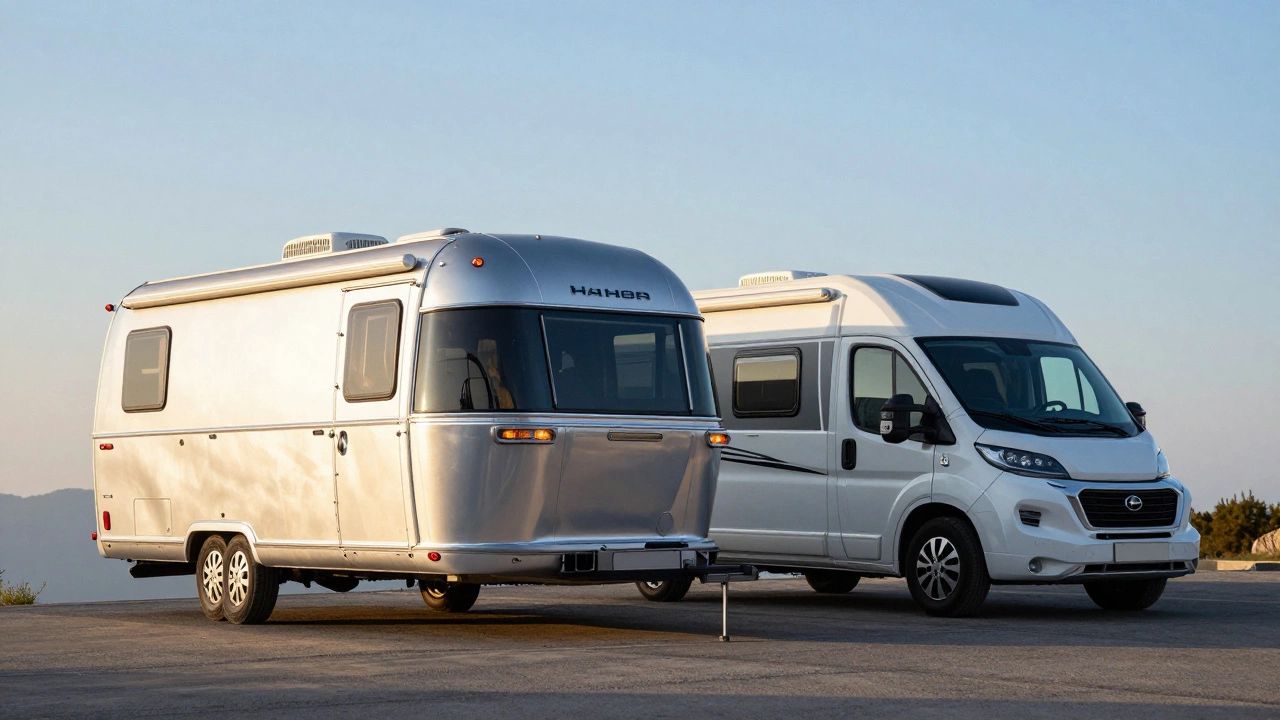
Hymer is a premium German manufacturer known for creating high-quality A-class and B-class motorhomes with exceptional build standards. Because they use high-grade insulation and robust chassis, they are highly sought after in the used market. In Europe and Australia, a well-kept Hymer often fetches a premium price because buyers know the structural integrity is there.
Airstream is an iconic American brand specializing in aluminum travel trailers and motorized RVs known for their distinct rounded shape and timeless design. Airstreams are practically the 'gold bullion' of the camping world. Their aluminum shells don't rot, and their classic look never goes out of style. It's not uncommon for an Airstream to hold a surprising percentage of its value over a decade, making them a safer financial bet than almost any other brand.
Then you have brands like Winnebago, which provides a balanced middle ground. While they aren't as niche as Airstream, their massive dealer network makes them easy to service, which increases buyer confidence when purchasing a used model.
Why Some Motorhomes Tank in Value
If you're wondering why your buddy's budget camper lost half its value in two years, it usually comes down to three things: build materials, engine reliability, and brand perception. Cheap RVs often use a 'stick and tin' construction-basically a wooden frame with a thin aluminum skin. Over time, water seeps in, the wood rots, and the resale value evaporates because the buyer knows they're looking at a structural nightmare.
Engine choice also plays a huge role. Diesel engines, particularly those from established brands like Mercedes-Benz or Ford, tend to hold their value better than gasoline alternatives. Why? Because they can handle the weight of a house on wheels without burning out. A motorhome built on a Mercedes-Benz Sprinter chassis is almost always easier to sell than one on a generic chassis because the buyer trusts the engine's longevity.
The Value Breakdown: Comparison Table
| Category | Top Brand Example | Value Retention | Primary Value Driver |
|---|---|---|---|
| Luxury Class A | Prevost / Newmar | 60% - 75% | High-end finishes & Chassis |
| Premium Class B (Campervans) | Hymer / Winnebago | 65% - 80% | Fuel efficiency & Versatility |
| Mid-Range Class C | Thor / Jayco | 40% - 55% | Family utility & Availability |
| Budget/Entry Level | Generic Imports | 20% - 40% | Low entry price point |
The Secret to Boosting Your Resale Price
You can buy the best brand in the world, but if you treat your motorhome like a dumpster, the resale value will still crash. Buyers in 2026 are more tech-savvy and cautious than ever. They aren't just looking at the upholstery; they're looking for evidence of care.
First, keep a 'digital logbook'. Don't just save paper receipts in a glovebox. Scan every oil change, every roof reseal, and every battery replacement into a folder. When you show a buyer a comprehensive history of Preventative Maintenance, you're not just selling a vehicle; you're selling peace of mind. This can easily swing the price by several thousand dollars.
Second, focus on the 'critical zones'. The roof and the seals are where most motorhomes die. If you can prove that you've resealed the seams every year, you eliminate the buyer's biggest fear: water damage. A leak-free certification or a detailed photo log of roof maintenance is a powerful selling tool.
Current Market Trends: What's Hot Right Now?
We're seeing a huge shift toward smaller, more agile vehicles. Massive motorhomes that require a special license or are a nightmare to park in city centers are seeing their values dip. On the other hand, the Class B Motorhome (the campervan style) is skyrocketing in demand. People want a vehicle they can drive to a grocery store and then take to a national park without sweating over the parking spot.
Another trend is the rise of 'Off-Grid' capabilities. Motorhomes equipped with high-capacity Lithium Batteries and solar arrays are selling much faster and for higher prices than those relying on traditional lead-acid batteries and noisy generators. If you're buying today with an eye on tomorrow's resale, go for the electrical upgrades.
The Pitfalls to Avoid When Buying for Resale
It's tempting to go for the most 'custom' rig you can find, but be careful. Over-customization is a resale killer. If you paint your motorhome neon purple or install a very specific, niche layout that only fits your specific hobby, you've just shrunk your pool of potential buyers from thousands to a handful.
Stick to neutral colors-whites, greys, and tans. These are the easiest for the next owner to imagine themselves in. Similarly, avoid adding 'gimmicky' gadgets that aren't from the original manufacturer. Aftermarket additions often look cluttered and can suggest that the original system wasn't sufficient, which might worry a cautious buyer.
Do diesel motorhomes really hold their value better than gas?
Generally, yes. Diesel engines are built for higher torque and longer lifespans, which is critical when hauling the heavy weight of a motorhome. Buyers in the used market specifically seek out diesel engines because they offer better fuel economy and lower long-term wear and tear on the powertrain.
Does the mileage matter as much as it does for a car?
Mileage matters, but 'engine hours' and 'living area wear' matter more. A motorhome with 50,000 miles that spent most of its time parked in a driveway might be in worse shape than one with 100,000 miles that was meticulously maintained. However, extremely high mileage will still drag down the price because it signals the need for major mechanical overhauls.
Are electric motorhomes a good investment for resale?
It's a gamble. While the technology is exciting and demand is growing, the 'battery anxiety' factor still affects many used buyers. Until charging infrastructure for large vehicles is universal, electric rigs may depreciate faster than diesels due to concerns over battery degradation over time.
Should I buy new or used if I care about money?
If your primary goal is to lose as little money as possible, buy a 2-3 year old premium brand (like Hymer or Airstream). The first owner takes the massive 'drive-off-the-lot' depreciation hit. By buying a slightly used high-end rig, you enter the market at a point where the value curve flattens, meaning you can often sell it a few years later for close to what you paid.
Does the location where I store it affect resale value?
Absolutely. A motorhome stored in a climate-controlled garage in a dry area will always sell for more than one left under a tarp in a humid or coastal environment. Salt air and extreme UV exposure destroy seals and fade paint, which are immediate red flags for experienced buyers.
What to do Next
If you already own a motorhome and want to prep it for sale, start by cleaning the 'unseen' areas. Detail the engine bay and the undercarriage. A clean chassis tells a buyer that you didn't just clean the interior for the open house-it shows you actually cared for the machine.
If you're still in the shopping phase, decide on your priority. If you want maximum luxury and don't mind a bit of depreciation, go for the newest model with all the bells and whistles. But if you want a vehicle that acts as a financial hedge, stick to a pre-owned, high-end brand with a documented service history and a diesel engine. That's the safest way to ensure your adventure doesn't come with a bankrupting price tag when it's time to move on.