Which Forest Is Best for Camping? A Guide to the Top Spots
 Jun, 14 2026
Find Your Perfect Forest Campsite
Answer three quick questions to discover which forest camping style matches your needs.
Beginner
First-time camper or need guidance
Intermediate
Camped before, comfortable outdoors
Advanced
Experienced backcountry camper
Free Only
Looking for no-cost options
$15–$40/night
Willing to pay for amenities
€20–€50+/night
Want full-service sites
Privacy & Solitude
Escape crowds, find quiet
Amenities & Comfort
Showers, Wi-Fi, restrooms
Flexibility
No reservations needed
Key Features:
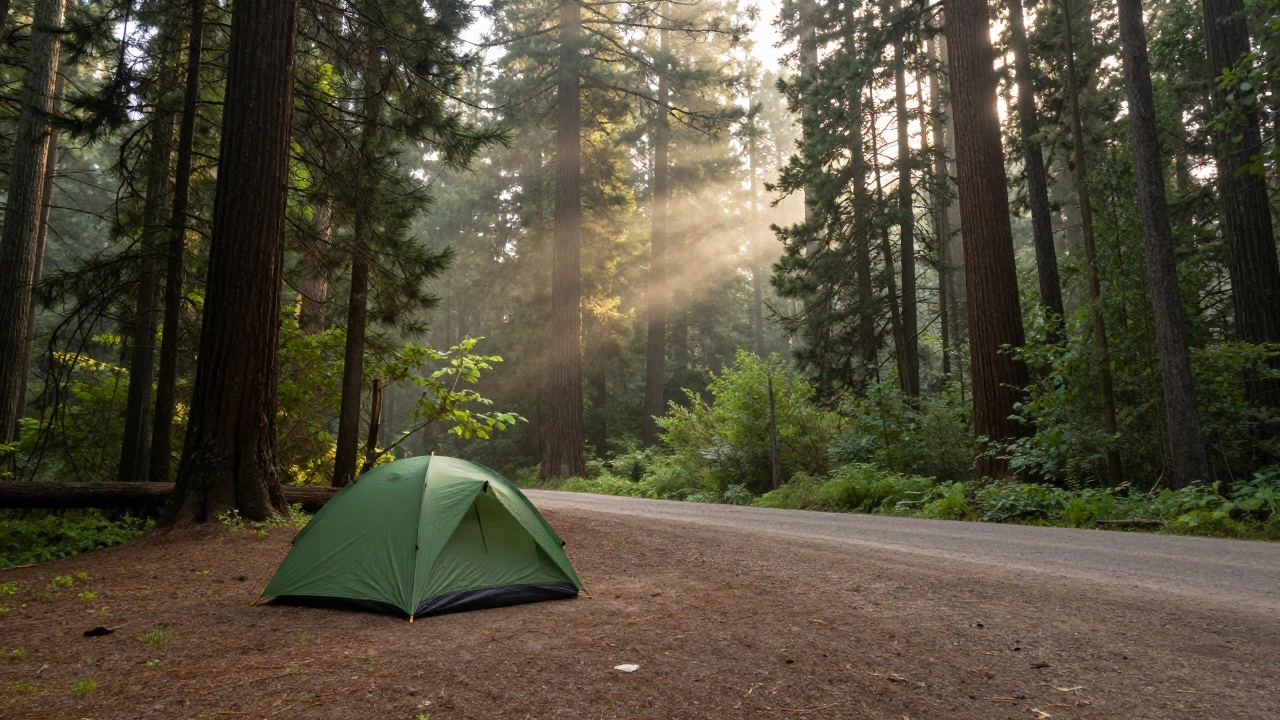
There is a specific kind of magic that happens when you pitch a tent surrounded by towering trees. The air smells different-earthy and fresh. The light filters through the canopy in soft, green patterns. But not all forests are created equal when it comes to camping. Some are crowded with noisy neighbors and paved roads; others offer deep solitude but require serious hiking skills to reach.
If you are asking which forest is best for camping, the answer depends entirely on what you want from your trip. Are you looking for hot showers and Wi-Fi? Or do you want to disappear into the woods for three days without seeing another human? I have spent years sleeping under pines, oaks, and redwoods, and I can tell you that picking the right forest makes or breaks the experience. Let’s look at the top contenders across different styles of camping.
The Gold Standard: US National Forests
When people talk about "forest camping" in the United States, they usually mean National Forests managed by the US Forest Service (USFS). These are vast public lands that cover nearly 193 million acres across the country. Unlike National Parks, which focus on preservation and often restrict where you can camp, National Forests are designed for multiple uses, including recreation, timber, and grazing.
This distinction matters because it means dispersed camping-camping outside of developed campgrounds-is widely allowed in National Forests. You don’t need a reservation. You just find a spot along a dirt road or trail, set up your tent, and go. It is free, flexible, and often incredibly peaceful.
Here are three of the most popular National Forests for camping, each offering a different vibe:
- Gifford Pinchot National Forest (Washington): Located near Mount Rainier, this forest offers lush meadows, old-growth Douglas firs, and access to alpine lakes. It is perfect for hikers who want a basecamp for day trips. The weather can be rainy, so bring good rain gear.
- Pike National Forest (Colorado): If you love high-altitude scenery, this is your spot. You will camp among aspen groves and ponderosa pines with views of snow-capped peaks. It gets busy in summer, so arrive early to snag a prime dispersed spot.
- Ocala National Forest (Florida): Not all forest camping looks like the Pacific Northwest. Ocala offers sand pine scrub and oak hammocks. It is great for families who want a warmer climate and easier terrain, though you need to watch out for ticks and mosquitoes.
For Families: Developed Campgrounds in State Forests
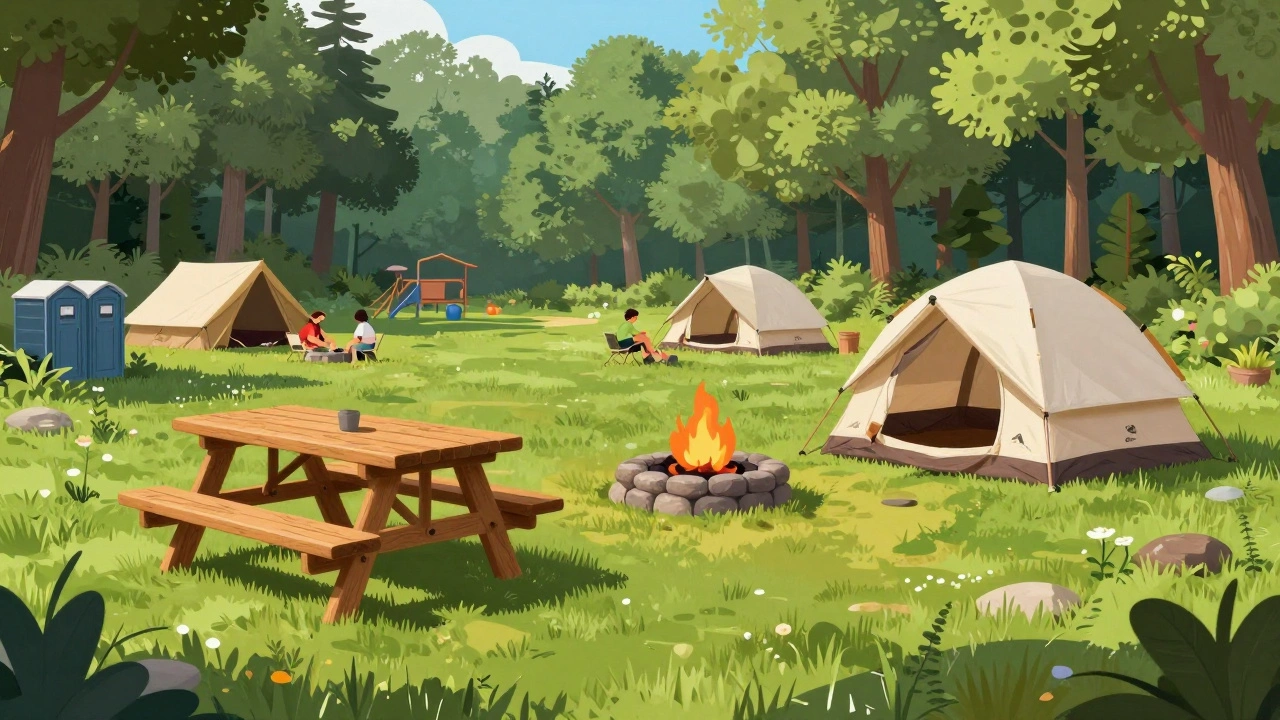
If the idea of boiling water over a fire and using a porta-potty sounds stressful, skip the wild spots. Many state and local forests operate developed campgrounds that feel more like glamping-lite. These sites provide flat pads, fire rings, picnic tables, and sometimes even electric hookups.
State Forests are managed by individual states and often prioritize local recreation over industrial use. They tend to be smaller than National Forests, which means they are easier to navigate. For example, in Pennsylvania, the Pennsylvania State Forests system offers hundreds of campsites with clean restrooms and playgrounds nearby. In California, CalFresh programs sometimes partner with state parks to offer discounted camping fees for low-income families, making these accessible options even better.
Why choose a developed site in a forest?
- Safety: Staffed ranger stations mean help is close if you get lost or injured.
- Amenities: Showers, drinking water, and trash collection make cleanup easy.
- Predictability: You know exactly where you will sleep before you drive there.
Just remember that these spots book up fast. In peak season (June through August), you should reserve your site months in advance via platforms like ReserveAmerica or Recreation.gov.
The European Experience: Ancient Woodlands and Rules
Camping in Europe feels different. The forests are older, the trails are denser, and the rules are stricter. In countries like Germany, France, and the UK, "wild camping" is largely prohibited in most forests to protect sensitive ecosystems. Instead, you must stay in designated Camping Areas within National Parks or Protected Forests.
Take the Black Forest (Schwarzwald) in Germany. It is famous for its dense evergreen trees, cuckoo clocks, and fairytale castles. While you cannot just pitch a tent anywhere, there are excellent official campsites nestled deep in the woods. They offer wooden cabins, bike rentals, and guided nature walks. The trade-off is cost-you pay for the convenience and the maintenance of the trails.
In the UK, the situation varies. Scotland has the Right to Roam act, which allows responsible wild camping almost anywhere, including forests. England and Wales, however, generally forbid it on private land and many public forests. So, if you are camping in the New Forest or Sherwood Forest, stick to authorized sites to avoid fines.
| Feature | Dispersed (US National Forests) | Developed (State/Local Forests) | European Official Sites |
|---|---|---|---|
| Cost | Free | $15-$40 per night | €20-€50 per night |
| Amenities | None (bring everything) | Toilets, water, fire rings | Showers, Wi-Fi, shops |
| Privacy | High (if you hike in) | Low (neighbors close by) | Medium (structured layout) |
| Booking Needed | No | Yes (in summer) | Yes (often required) |
How to Choose Your Perfect Forest Spot
So, how do you decide? Start by asking yourself three questions:
- What is my skill level? If you are new to camping, start with a developed campground in a State Forest. Learn how to set up your tent and cook outdoors in a safe environment before heading into the backcountry.
- Do I need connectivity? Most deep forest spots have zero cell service. If you need to check emails, pick a site near a town or one that advertises Wi-Fi. If you want to disconnect, head to a dispersed site in a National Forest.
- What wildlife am I dealing with? This is crucial. In bear country (like parts of Montana or Alaska), you must use bear canisters or lockers. In Florida or Georgia, you need to worry about snakes and insects. In Europe, ticks are a major concern. Research the local fauna before you pack.
Leave No Trace: Respecting the Forest
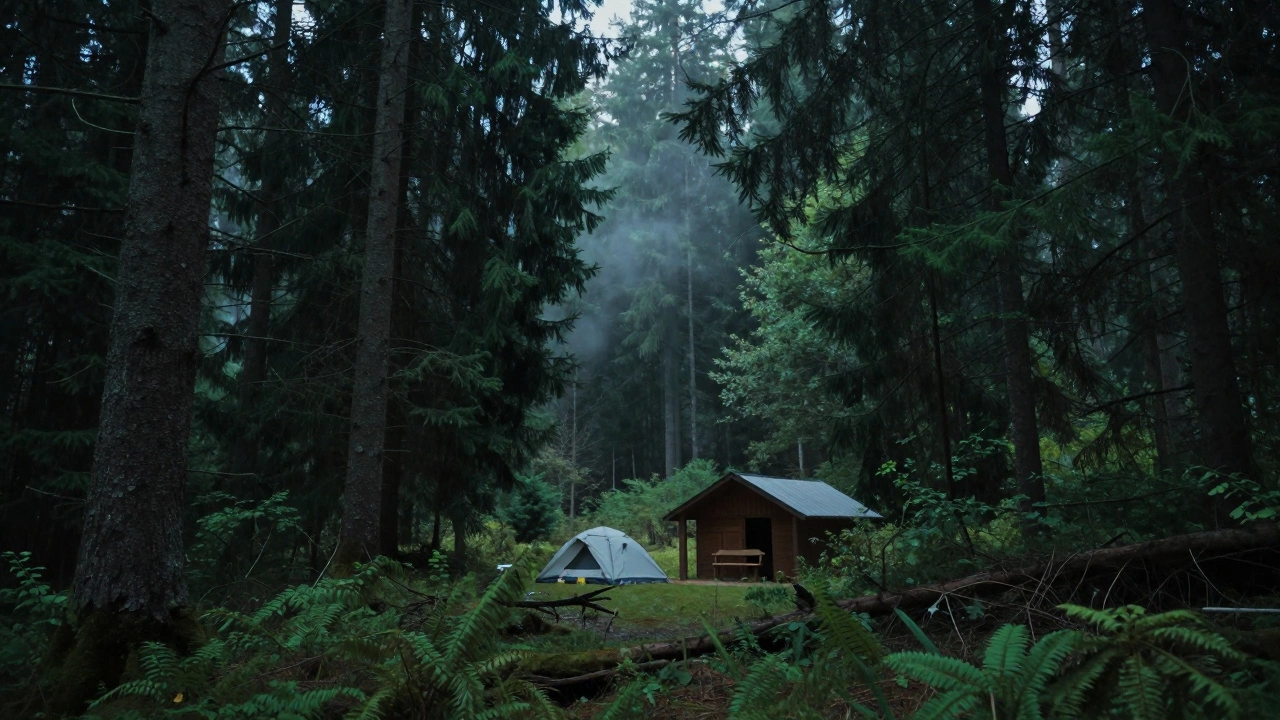
No matter which forest you choose, you must follow the Leave No Trace principles. These are seven guidelines designed to minimize your impact on the environment. Ignoring them doesn’t just hurt nature; it can get you banned from future camping trips.
- Plan ahead and prepare: Check fire bans and weather forecasts.
- Travel and camp on durable surfaces: Stick to established trails and campsites. Don’t create new paths.
- Dispose of waste properly: Pack out all trash. Use catholes for human waste at least 200 feet from water sources.
- Leave what you find: Don’t pick flowers or carve trees.
- Minimize campfire impacts: Use a stove instead of a fire if possible. If you build a fire, keep it small and use existing fire rings.
- Respect wildlife: Observe from a distance. Never feed animals.
- Be considerate of other visitors: Keep noise down and yield on trails.
I once saw a group of campers leave their tent stakes and aluminum foil buried in the soil. It looked ugly and took weeks to decompose. Don’t be that person. When you leave, the site should look exactly as you found it.
Seasonal Considerations
The "best" forest changes with the seasons. Summer is peak time, meaning crowds and higher prices. Spring and fall offer milder temperatures and fewer bugs, but you might deal with mud or early snow. Winter camping in a forest is an advanced skill-it requires insulated sleeping bags, four-season tents, and knowledge of hypothermia prevention.
If you are visiting in June 2026, expect warm weather in most northern hemisphere forests. Book early. Popular spots fill up quickly. And always carry extra water, as dehydration hits faster in dry, sunny forests than you might think.
Can I camp for free in any forest?
In the US, yes, if you choose dispersed camping in National Forests. This is legal and free in most areas, provided you stay less than 14 days in one spot and follow Leave No Trace principles. However, in Europe and many US State Parks, free camping is rare or illegal. Always check local regulations before assuming a spot is free.
Is wild camping allowed in the UK?
It depends on where you are. In Scotland, wild camping is permitted under the Land Reform Act, as long as it is done responsibly. In England, Wales, and Northern Ireland, wild camping is generally prohibited on private land and most public forests. You must use designated campsites to avoid fines.
What should I bring for forest camping?
Essentials include a sturdy tent, sleeping bag rated for the expected temperature, sleeping pad, headlamp, first-aid kit, water filter or purification tablets, and appropriate clothing. In bear country, bring a bear canister or hang food properly. Always carry a map and compass, as cell service is often unavailable.
Are forest campsites safe for families?
Yes, especially developed campgrounds in State or National Forests. These sites often have rangers on duty, clear boundaries, and amenities like restrooms and picnic tables. Just teach children about wildlife safety (never touch unknown animals) and fire safety. Avoid remote dispersed sites with young kids unless you are experienced.
How do I find dispersed camping spots?
Use apps like iOverlander, FreeRoam, or OnX Offroad to locate dispersed camping areas. You can also visit the local Ranger Station and ask for maps showing dispersed camping zones. Look for pull-offs along dirt roads that are marked with signs indicating camping is allowed.