Which Age Group Goes Camping the Most? Data & Demographics
 Nov, 12 2026
Camping Demographic Profile Finder
Select your generation to discover how you likely camp, what drives your trips, and the gear you prefer.
You might think camping is just for retirees with time on their hands or families trying to keep kids off screens. But if you look at the actual numbers, the story is different. The Millennial generation (born roughly between 1981 and 1996) has overtaken older generations as the most active group in outdoor recreation. Why? It’s not just about nostalgia. It’s about a shift in how we spend money. Millennials prioritize experiences over things, and camping fits that bill perfectly. If you’re wondering who is actually out there setting up tents right now, it’s likely someone under 40.
This isn’t just a hunch. Industry reports from organizations like the Outdoor Industry Association show a massive surge in participation among younger adults. But it’s not a monolith. There are distinct patterns within age brackets. Understanding these trends helps you predict what kind of campsites will be busy, what gear sells best, and where the community is heading next. Let’s break down the data by decade and see what drives each group to the great outdoors.
The Millennial Surge: Why Ages 27-42 Lead the Pack
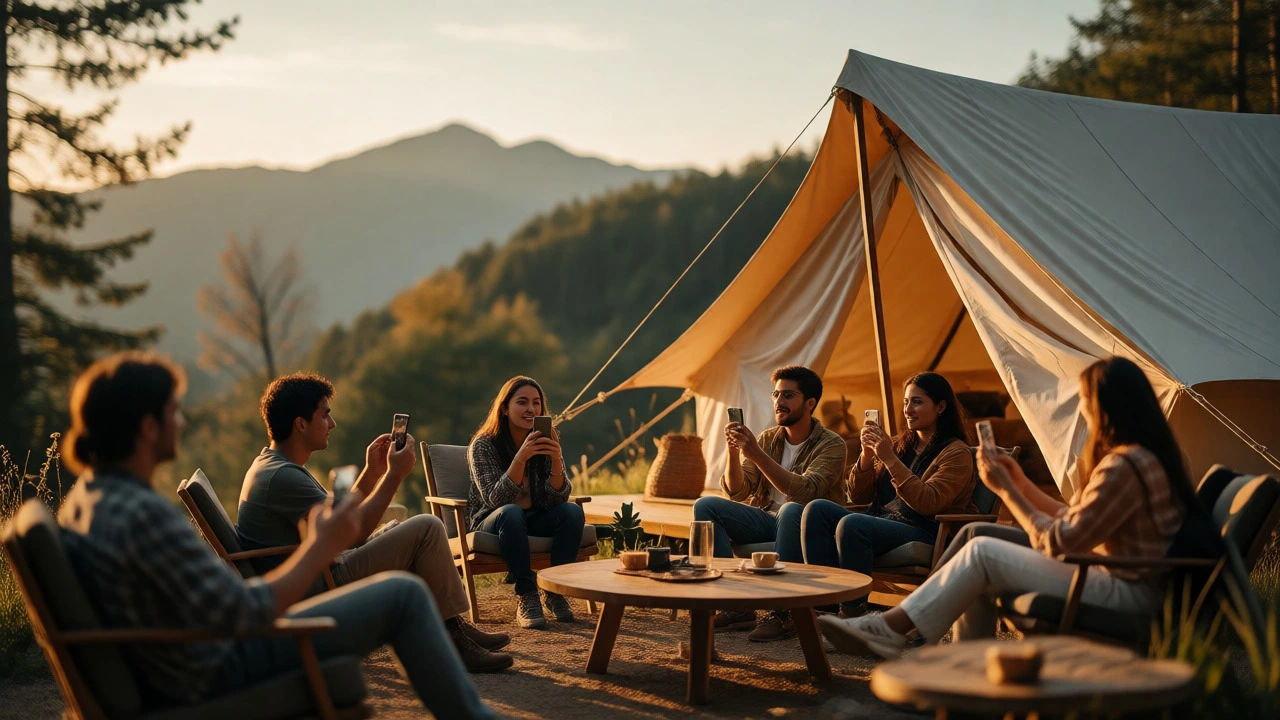
If you go camping today, your neighbor is statistically likely to be a Millennial. This group currently holds the largest share of camping participants. Unlike previous generations who viewed camping as a niche hobby requiring specialized skills, Millennials view it as accessible adventure. They grew up during the rise of social media, which played a huge role. Seeing curated photos of cozy tents and scenic hikes made camping look attainable and stylish, not just rugged.
What makes this demographic unique is their spending power combined with their digital habits. They don’t just camp; they research extensively before booking. They use apps to find spots, read reviews obsessively, and often seek out "glamping" options that offer comfort without sacrificing the outdoor feel. For them, camping is a way to disconnect from work stress while maintaining a connection to nature. This desire for balance has fueled the growth of high-end family campsites and boutique outdoor experiences.
- Digital First: 85% of Millennial campers use mobile apps to plan trips.
- Experience Economy: Willingness to pay more for unique locations over basic amenities.
- Social Sharing: High likelihood of posting trip content, driving peer-to-peer recommendations.
Gen Z: The New Wave of Solo and Social Campers
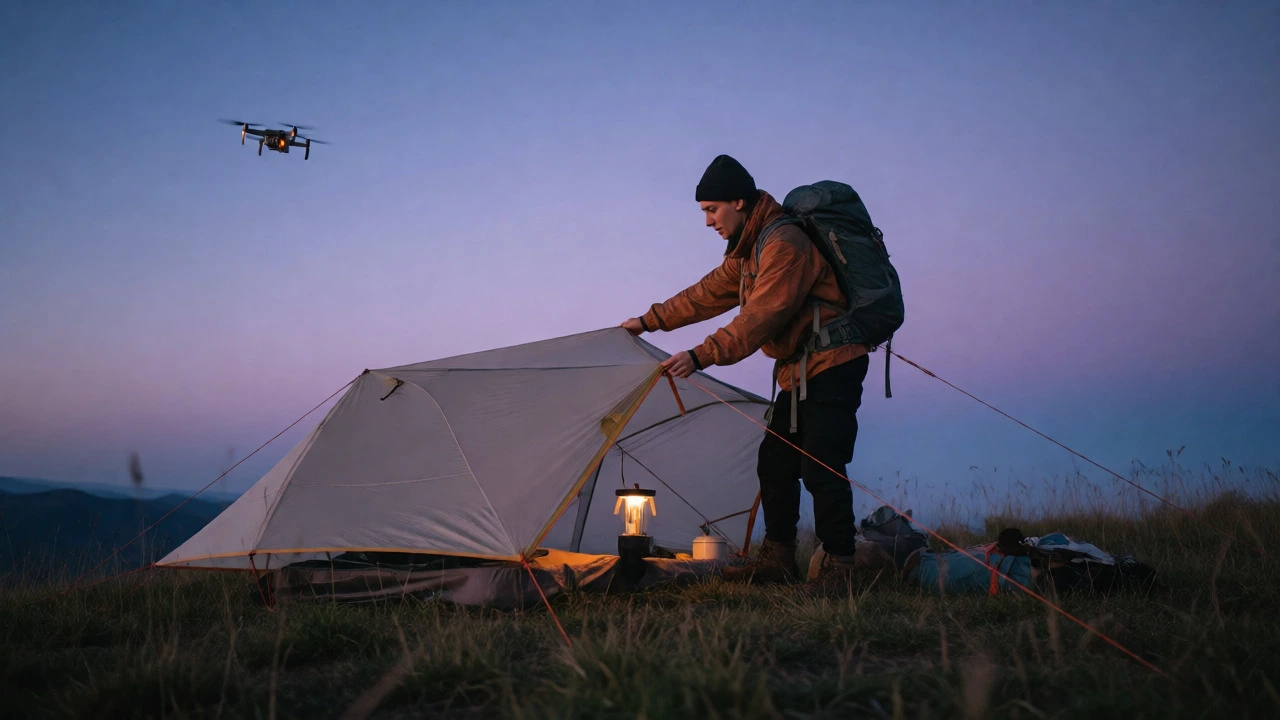
Right behind Millennials is Generation Z (born roughly 1997-2012). While they have less disposable income than Millennials, their participation rate is growing faster. Gen Z approaches camping differently. They are less interested in traditional car camping with big RVs and more drawn to lightweight backpacking, van life, and festival camping. For them, camping is an identity marker. It signals environmental consciousness and a rejection of consumerist lifestyles.
This group is heavily influenced by influencers on TikTok and Instagram. A viral video showing a solo female camper in a national park can spike bookings for that location overnight. Gen Z also tends to camp in larger, diverse social groups rather than just nuclear families. They value inclusivity and sustainability. Campsites that offer eco-friendly practices, such as solar power or waste reduction programs, attract this demographic disproportionately. If you run a campsite, ignoring Gen Z means missing out on the future customer base.
| Generation | Primary Motivation | Preferred Style | Digital Behavior |
|---|---|---|---|
| Gen Z | Identity & Sustainability | Backpacking / Van Life | TikTok/Instagram driven |
| Millennials | Stress Relief / Experience | Car Camping / Glamping | App-based planning |
| Gen X | Family Tradition | RV / Tent Camping | Email newsletters |
| Baby Boomers | Nostalgia / Leisure | RV Parks | Direct booking / Phone |
Gen X: The Family Anchor
Generation X (born roughly 1965-1980) remains a steady force in the camping world. Often called the "latchkey generation," they value independence and practicality. For Gen X, camping is frequently tied to raising children. They are the ones teaching their kids how to pitch a tent or build a fire. This group tends to stick with what works. They prefer established campgrounds with reliable facilities over experimental wild camping spots.
Financially, Gen X is often in peak earning years, allowing them to invest in quality gear. You’ll see them using durable, long-lasting equipment rather than trendy, cheap alternatives. Their loyalty to specific brands and locations is high. Once they find a favorite state park or private campground, they return year after year. This consistency provides stability for campsite owners. While they may not post about it online, their word-of-mouth recommendations are powerful within their social circles.
Baby Boomers: The RV Powerhouse
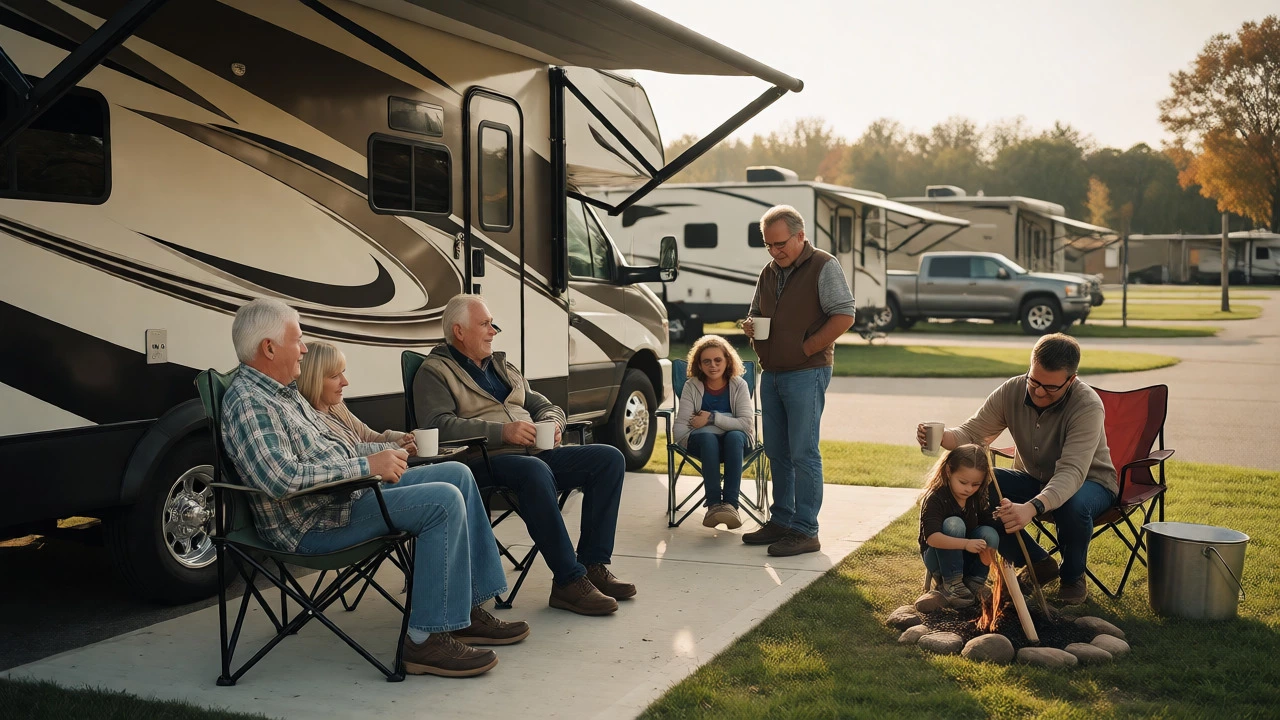
Baby Boomers (born roughly 1946-1964) dominate the recreational vehicle (RV) sector. While overall tent camping participation has shifted toward younger ages, Boomer participation in RV parks remains robust. Many Boomers retired early or have flexible schedules, allowing them to travel seasonally. They often follow the weather, migrating south in winter and north in summer-a phenomenon known as "snowbirding."
For this group, comfort is non-negotiable. They expect full hookups, clean restrooms, and organized activities. They are less likely to rough it. Instead, they enjoy the community aspect of RV parks, where socializing is part of the experience. Marketing to Boomers requires clarity and simplicity. Overly complex booking systems or vague descriptions can deter them. They appreciate direct communication and proven reliability.
Why Younger Generations Are Choosing Tents Over Hotels
You might ask why Millennials and Gen Z are swapping hotels for tents. Cost is a factor, but it’s not the only one. Post-pandemic, people crave open spaces. Crowded hotel lobbies felt risky; isolated campsites felt safe. This psychological shift accelerated the trend. Additionally, the cost of living crisis has made expensive vacations less appealing. A weekend camping trip costs a fraction of a three-night hotel stay, especially when you factor in food savings by cooking over a fire.
There’s also a mental health angle. Studies suggest that time in nature reduces cortisol levels. For young professionals burned out by remote work culture, camping offers a reset button. It forces you to slow down. You can’t check emails easily if you’re chopping wood or watching the sunset. This intentional disconnection is highly valued by younger demographics who feel constantly plugged in.
Regional Differences: Does Location Change the Stats?
Camping demographics aren’t uniform across the globe. In Australia, for example, camping is deeply embedded in the culture. Families camp together across generations, blurring the lines between age groups. In the United States, the divide is sharper, with younger people favoring National Parks and older people sticking to private RV resorts.
In Europe, hiking-focused camping is popular among all ages, but the infrastructure supports multi-day treks differently than in North America. When analyzing camping trends, always consider local culture. In Perth, Western Australia, for instance, beach camping is a universal activity. It doesn’t matter if you’re 20 or 60; if the weather is good, people head to the coast. Local geography dictates behavior more than age alone sometimes does.
How Campsite Owners Can Adapt to These Trends
If you own or manage a campsite, knowing who is coming matters. If you want to attract Millennials, ensure you have strong Wi-Fi zones and Instagram-worthy photo ops. Offer glamping pods or yurts. If you target Gen Z, highlight sustainability efforts and allow pets. They love bringing dogs along.
For Boomers, focus on accessibility. Paved paths, well-lit areas, and easy parking are crucial. Don’t underestimate the power of clear signage. For families (often led by Gen X parents), provide safe play areas and clean showers. Tailoring your site to these specific needs increases occupancy rates and positive reviews.
Is camping still popular with older generations?
Yes, particularly Baby Boomers, who are heavy users of RV parks and organized campgrounds. While they may not be pitching tents as much as younger people, their participation in motorhome and caravan travel remains very high due to retirement leisure time.
Why do Millennials prefer camping over other vacations?
Millennials prioritize experiences and mental wellness. Camping offers affordable access to nature, which helps combat burnout. It also aligns with their values of sustainability and minimalism, allowing them to disconnect from digital stressors.
Does Gen Z really go camping?
Absolutely. Gen Z participation is growing rapidly, driven by social media trends like #vanlife and #solocamping. They tend to prefer lightweight, portable setups and eco-conscious sites over traditional large-scale campgrounds.
What is the fastest-growing camping demographic?
Currently, young adults aged 18-29 (late Gen Z and early Millennials) are the fastest-growing segment. This is fueled by low-cost entry points like backyard camping, festival camping, and budget-friendly public land camping.
Do families camp together across generations?
In many cultures, including Australia and parts of Europe, multigenerational camping is common. Grandparents, parents, and children often camp together, blending the preferences of Boomers (comfort) with those of Millennials (experience).