Where to Go Wild Camping in the UK: Best Spots & Rules
 Aug, 31 2026
UK Wild Camping Legal Checker
Select your destination and trip details below to instantly check if wild camping is permitted and what rules apply.
Legal Status
AllowedKey Rules & Tips
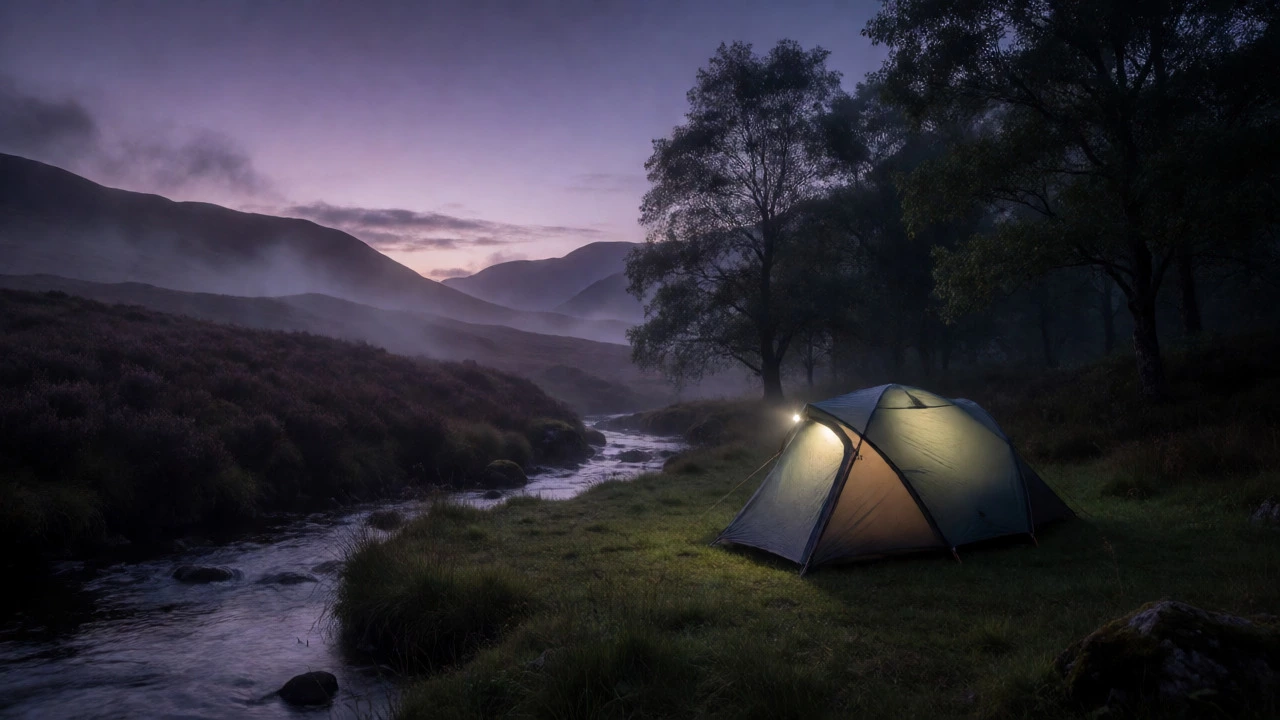
You’re driving through the Scottish Highlands at dusk. The road narrows, the trees thicken, and you spot a flat patch of grass near a stream. Your heart races. Can you just pitch your tent there? Or will a ranger appear with a fine? This is the million-dollar question for every camper in Britain. Unlike Australia, where wild camping is often straightforward on Crown Land, the UK is a patchwork of private ownership, protected conservation zones, and strict local bylaws. Getting it wrong means fines; getting it right means waking up to mist rolling over heather with zero neighbors in sight.
This guide cuts through the confusion. We aren’t just listing pretty places. We’re breaking down exactly where you can legally sleep under the stars, what gear you need for the specific terrain, and how to navigate the complex legal landscape of England versus Scotland. Whether you are a novice with a two-person tent or an experienced hiker seeking remote bothies, here is your roadmap to finding solitude without the stress.
The Legal Landscape: Why Scotland Is Different
If you want true freedom, head north. Scotland has unique laws that make it the wild camping capital of Europe. Under the Land Reform (Scotland) Act 2003, everyone has a general right to roam and camp on most unenclosed land. This isn't a loophole; it's a statutory right. You can pitch a tent almost anywhere, provided you follow the Scottish Outdoor Access Code. Key rules include staying no more than two nights, avoiding enclosed fields, and keeping away from houses.
England and Wales operate differently. There is no blanket right to roam. Most land is privately owned. In national parks like the Lake District or Yorkshire Dales, wild camping is generally tolerated if you are self-sufficient, leave no trace, and stay only one night. However, this is courtesy, not law. Some areas, like parts of the North York Moors, have explicit bylaws banning camping outside designated sites. Always check local council regulations before pitching.
| Region | Legal Status | Key Constraint | Best For |
|---|---|---|---|
| Scotland | Right to Roam | Max 2 nights, avoid buildings | Total freedom, remote hikes |
| England (National Parks) | Tolerated (Not Legal) | 1 night, out of sight, no fire | Weekend escapes, hiking |
| Dartmoor | Specific Right | Designated areas only since 2023 | Moorland solitude |
| Countryside (Private) | Illegal without permission | Fines up to £500 | Requires prior arrangement |
Top Spot: The Scottish Highlands
When people imagine wild camping, they picture this. The Scottish Highlands offer vast, open landscapes where visibility is high, but human presence is low. The Torridon Hills are iconic, but crowded. For true solitude, look further west to the Applecross Peninsula or the remote glens around Glen Coe.
Gear tip: The weather changes fast. A four-season tent is safer than a three-season one here. Ground conditions are often boggy. Invest in a robust groundsheet and consider a bivvy bag if you want to go lightweight. Water sources are plentiful, but always filter them-sheep grazing upstream means giardia is a real risk.
Top Spot: Dartmoor National Park
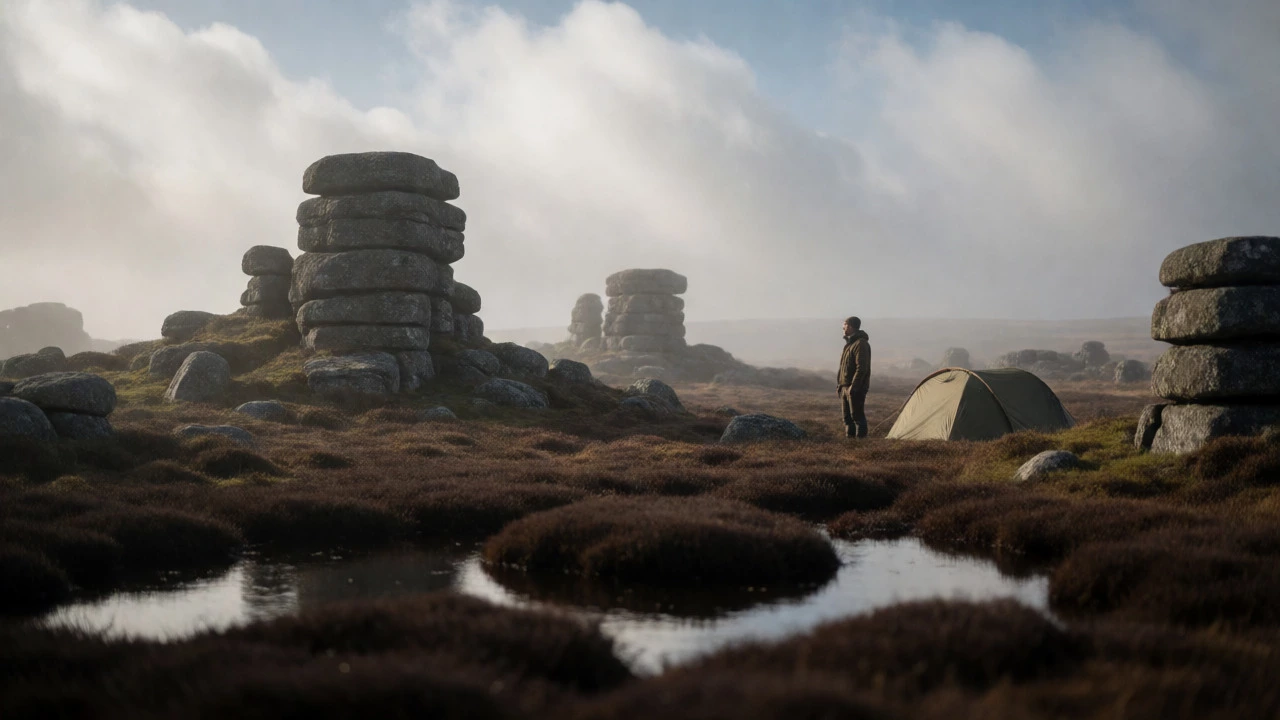
Dartmoor was once a gray area. In 2023, the Dartmoor Commons Act clarified the situation. You now have a legal right to wild camp in designated areas across the moor. This changed everything for campers who previously faced uncertainty.
The landscape is dramatic-granite tors rising from peat bogs. It’s beautiful but unforgiving. Fog can roll in within minutes, dropping visibility to zero. Navigation skills are non-negotiable. Stick to the marked trails until you know the terrain. Avoid camping directly on peat if possible; it gets waterlogged quickly and damages the ecosystem. Look for firmer ground near rocky outcrops.
Top Spot: The Lake District
England’s most popular national park is also its most contentious for wild campers. While technically illegal without landowner permission, the Lake District Authority tolerates responsible wild camping above the treeline. The rule of thumb? If you can see sheep, you might be okay. If you can see houses, you’re probably not.
Popular spots like Langdale Pikes are heavily used. To find quiet, hike higher. The High Stile ridge offers stunning views and fewer pitches. Be prepared for wind. Tents here get battered. Guy lines are essential. Also, note that campfires are strictly prohibited due to wildfire risks and dry grasslands. Use a gas stove instead.
Top Spot: Snowdonia (Eryri)
In Wales, Snowdonia National Park (now officially Eryri) allows wild camping in many areas, particularly in the remote western sections like Moelwynion. The eastern side, closer to Conwy, sees more tourism and stricter enforcement.
The terrain is rugged slate. Sharp rocks can puncture tents easily. Carry a repair kit. Water is abundant but cold. The best time to visit is late spring or early autumn when crowds thin out, but the days are still long enough for hiking. Check the Snowdonia Authority website for current restrictions, as these can change seasonally.
Top Spot: The Yorkshire Dales
For accessible wild camping with gentle gradients, the Yorkshire Dales are perfect. The limestone landscape creates natural shelters behind drystone walls. Many farmers tolerate camping on their fell tops, especially if you ask politely or use apps like Pitchup to find informal permissions.
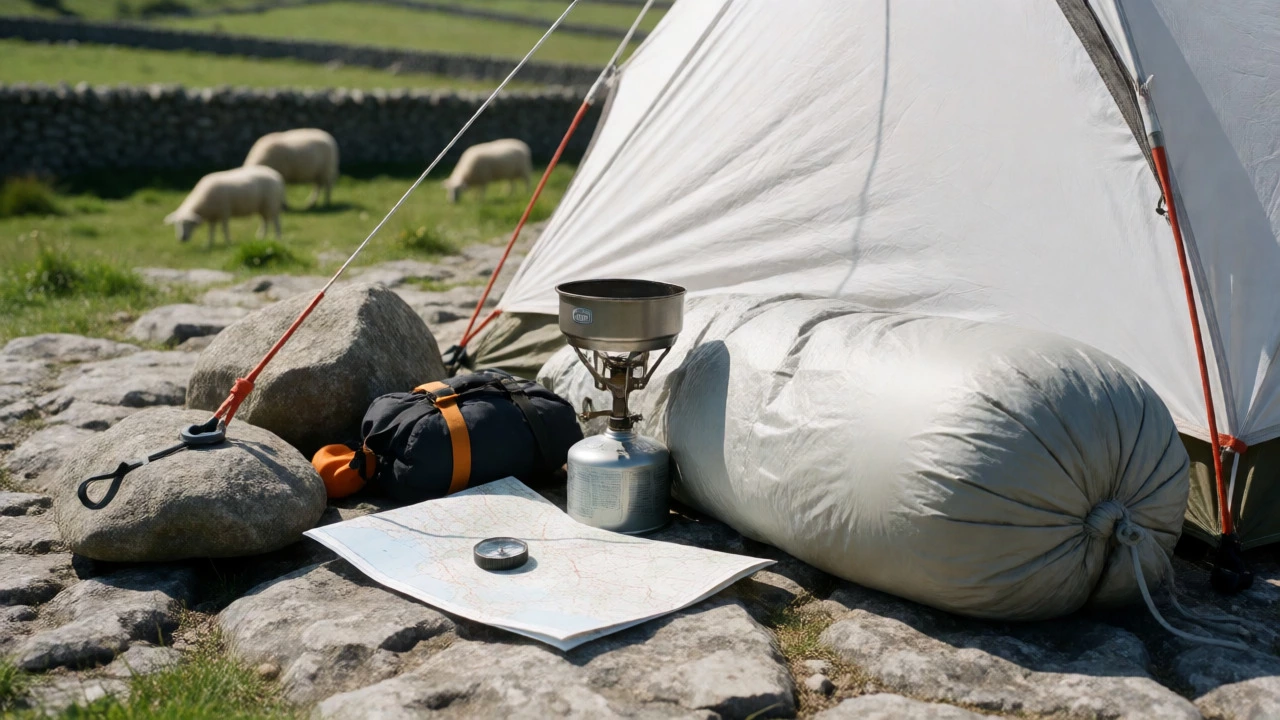
Watch out for livestock. Cows and sheep roam freely. Don’t pitch in calving fields in spring. The ground can be hard limestone, making pegging difficult. Bring rock pegs or heavy stones to anchor your tent. Sun exposure is significant here; there’s little tree cover. UV protection is crucial even on cloudy days.
Essential Gear for UK Conditions
Forget tropical camping. The UK demands specific equipment. Humidity is constant. Condensation inside a single-wall tent can soak your sleeping bag overnight. A double-wall tent with good ventilation is superior. Sleeping pads must be insulated. Ground temperatures drop rapidly after sunset, even in summer. An R-value of 4+ is recommended for year-round comfort.
- Tent: Double-wall, geodesic design for wind resistance.
- Sleeping Bag: Synthetic fills better than down in damp conditions.
- Stove: Gas canisters are banned in some areas; liquid fuel stoves work in colder temps.
- Navigation: Paper map and compass. Phones die; batteries fail in cold.
- Lighting: Headlamp with red mode to preserve night vision and disturb wildlife less.
Leave No Trace: The Golden Rule
Wild camping privileges come with responsibilities. The Leave No Trace principles are critical in the UK’s fragile ecosystems. Pack out all waste, including food scraps. Apple cores take months to decompose in cool climates and attract animals.
Buried toilet paper doesn’t break down quickly in peat or limestone soil. Carry a trowel and biodegradable bags. Human waste should be buried 15-20cm deep, at least 60 meters from water sources. Never wash dishes in streams; carry water away and dispose of grey water far from the source. This protects aquatic life and prevents algal blooms.
FAQs
Is wild camping legal everywhere in the UK?
No. It is legally protected in Scotland under the Land Reform Act. In England and Wales, it is mostly tolerated in national parks if you are discreet and self-sufficient, but it remains technically illegal on private land without permission. Always check local bylaws.
Can I have a campfire while wild camping?
Generally, no. Open fires are discouraged or banned in most national parks due to wildfire risks and environmental damage. Use a portable gas or liquid fuel stove. In Scotland, small fires are sometimes tolerated in remote areas, but check local signs.
Do I need a permit to wild camp?
Usually no, unless you are camping in large groups or in specific managed areas like parts of the Lake District during peak season. Solo campers or pairs rarely need permits. Always verify with the relevant National Park Authority.
What is the best time of year for wild camping in the UK?
May to September offers the best balance of daylight and mild weather. July has the longest days but the highest midge population in Scotland. August is warm but crowded. Late September provides stable weather and fewer insects.
How do I handle bathroom needs?
Use a trowel to dig a cathole 15-20cm deep, at least 60 meters from water sources and trails. Pack out toilet paper in sealed bags. Urinate well away from water sources to prevent contamination.