Where is the safest place to park your car overnight in forests?
 Aug, 6 2026
Forest Overnight Parking Safety Calculator
Specific Recommendations:
You pull off the main road, engine ticking as it cools, and scan the darkening treeline. The GPS says you’re close to a scenic overlook, but the map doesn’t tell you if this spot is safe for sleeping. You want rest, not a break-in or a bear encounter. Finding the right spot isn't just about convenience; it’s about risk management.
Whether you are wild camping in a national park or looking for a quiet forest edge, the "safest" place combines legal permission, physical security, and environmental awareness. Let’s break down exactly where to park and how to stay secure.
The Gold Standard: Designated Campgrounds
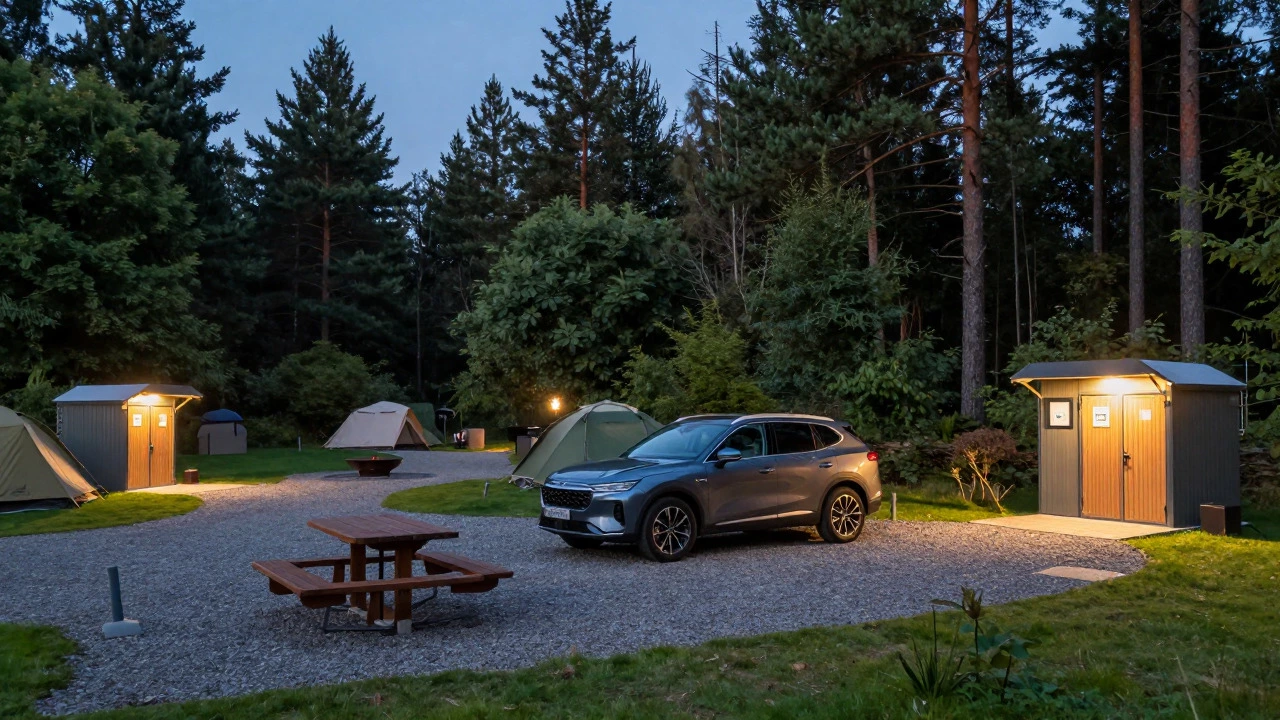
If safety is your primary concern, designated campgrounds are the clear winner. These sites are managed by authorities like the National Park Service or local forestry departments. They offer established infrastructure that significantly reduces risk.
- Lighting: Many have pathway lights or nearby restroom facilities with illumination, deterring opportunistic thieves.
- Presence: Rangers or other campers create a natural surveillance system. Criminals prefer isolation.
- Rules: Clear boundaries mean you aren’t accidentally trespassing on private land, which avoids confrontations with landowners.
In Australia, for example, many state forests have registered caravan parks or basic tent sites. In the US, dispersed camping areas within national forests often have designated pull-offs that are safer than random roadside stops because they are monitored.
Wild Camping: How to Choose a Secure Spot
Sometimes, designated sites are booked out or too far from your route. If you must wild camp, follow these criteria to maximize safety:
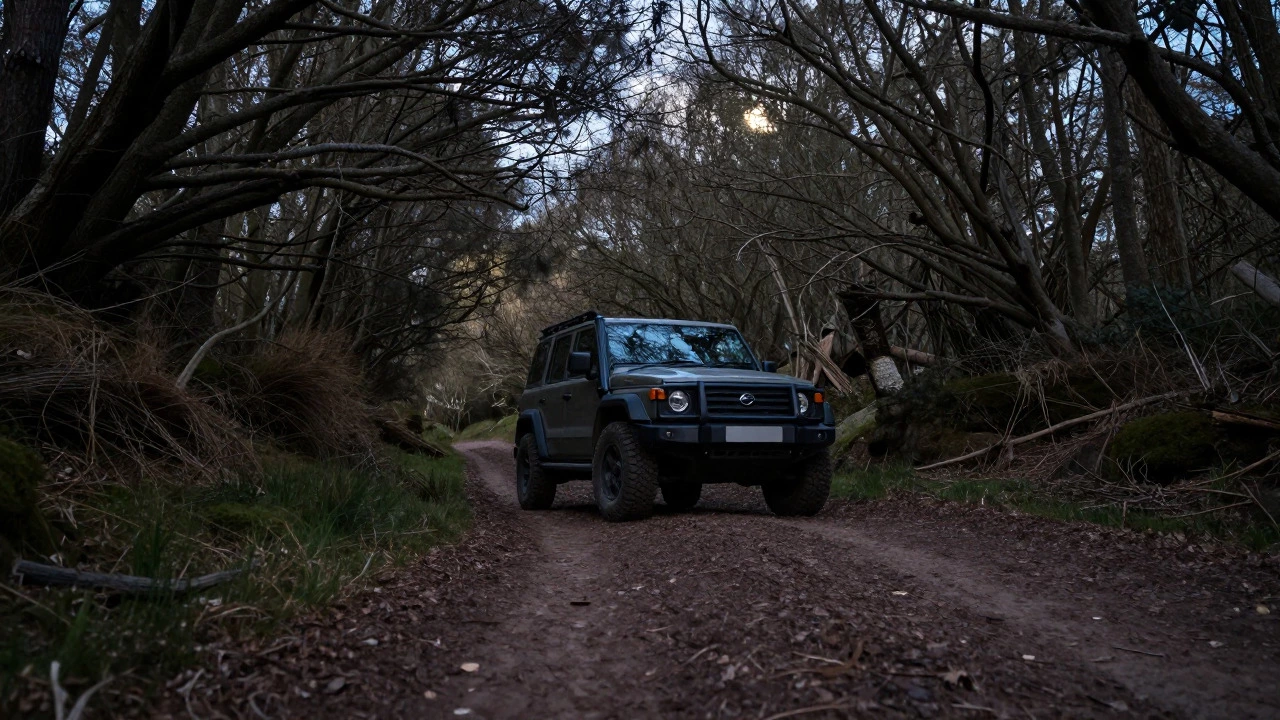
- Visibility vs. Privacy Balance: Avoid spots hidden deep in thick brush where you can’t see approaching people or animals. Conversely, don’t park directly next to a busy trail. Aim for a spot that feels secluded but allows you to see the approach path.
- Ground Stability: Park on flat, hard ground. Soft soil can trap your vehicle after rain, leaving you stranded. Check for overhead dead branches (widowmakers) that could fall during wind storms.
- Distance from Water: Stay at least 200 feet from lakes or streams. This reduces insect exposure and minimizes the chance of flash flooding damaging your vehicle.
Avoid parking under power lines or near steep cliffs. Look for signs of recent animal activity-fresh droppings or tracks-and choose a different location if bears or large predators are common in the area.
Vehicle Security Measures
Your car is both shelter and target. Securing it requires more than locking doors.
| Action | Why It Matters |
|---|---|
| Lock all windows/doors | Deters quick grab-and-go thefts |
| Hide valuables in trunk | Reduces temptation for smash-and-grab |
| Use a steering wheel lock | Makes towing difficult without equipment |
| Park facing outward | Allows quick exit if needed |
| Keep keys inside | Prevents being locked out in emergencies |
Consider using a GPS tracker hidden inside the vehicle. If someone tries to tow your car, you’ll know immediately. Also, remove any visible electronics from the dashboard before darkness falls. A phone charger left plugged in is an invitation for thieves.
Legal Considerations and Local Laws
Safety includes avoiding legal trouble. Parking illegally can lead to fines, towing, or confrontation with locals who feel their property is disrespected.
Check local regulations before arriving. In some regions, overnight parking is prohibited entirely outside designated zones. For instance, in parts of California, wild camping requires specific permits due to fire risks and overcrowding. In Europe, countries like France have strict rules about bivouacking versus pitching tents. Always verify with official tourism or forestry websites.
Trespassing on private land without permission is a major safety risk. Landowners may be hostile, especially if livestock or crops are present. Use maps that clearly mark public vs. private boundaries. Apps like OnX Hunt or Gaia GPS can help identify legal camping areas.
Natural Hazards to Avoid
Forests present unique dangers beyond human threats. Be aware of:
- Flood Zones: Never park in dry riverbeds. Flash floods can occur miles away from rain.
- Wildlife Corridors: Avoid trails used by deer, elk, or bears. These paths increase encounter chances.
- Fire Risk Areas: During droughts, some forests ban overnight stays due to wildfire danger. Check current fire restrictions.
- Toxic Plants: Keep children and pets away from unknown vegetation. Some plants cause severe reactions upon contact.
In Australia, watch for snakes hiding in leaf litter. Shake out shoes and check seats before entering your vehicle. In North America, be mindful of tick-infested areas. Wear long pants and use repellent when setting up camp.
Technology Tools for Safe Parking
Modern tools can enhance your situational awareness. Here’s what to use:
- Weather Apps: Monitor hourly forecasts for sudden storms or temperature drops.
- Offline Maps: Download maps beforehand since cell service is often unreliable in forests.
- Camping Community Forums: Sites like Leave No Trace or regional Facebook groups share real-time updates on conditions and safety.
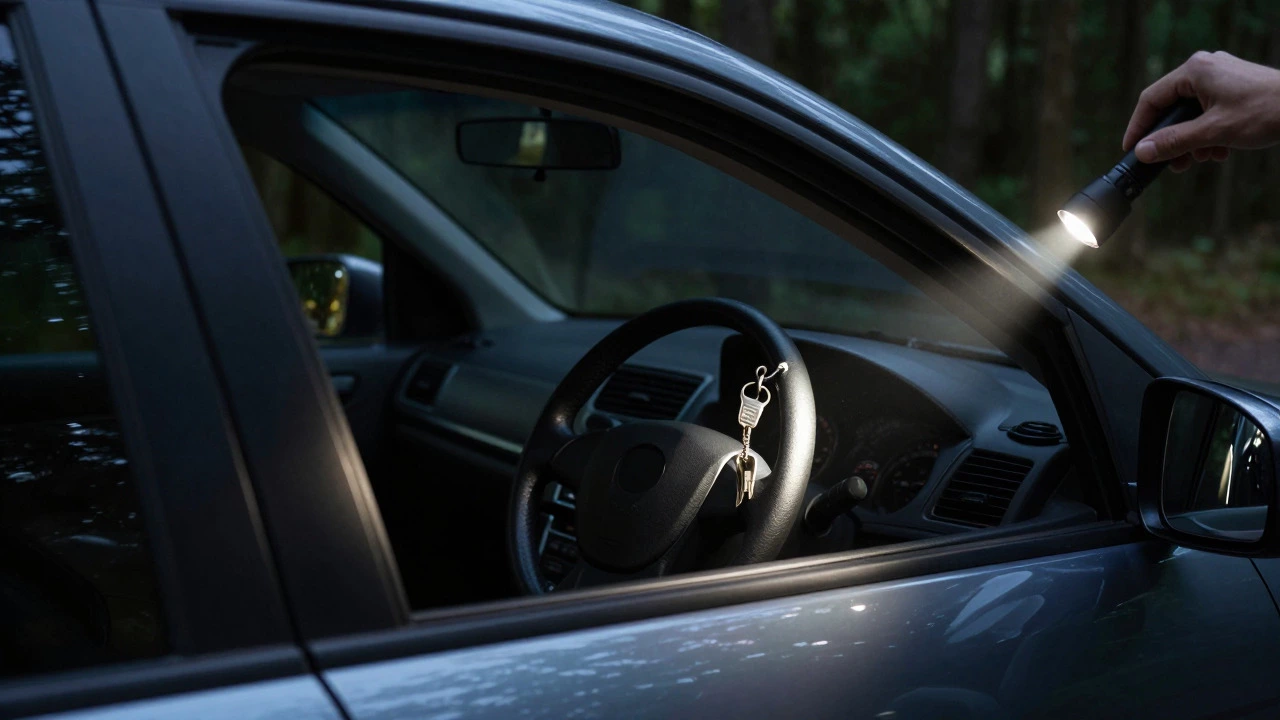
- Personal Safety Devices: Carry a whistle, flashlight, and personal locator beacon (PLB) for emergencies.
Some vehicles now come with built-in safety features like remote start and mobile app connectivity. Use them to monitor your car’s status remotely. If you hear unusual noises outside, you can check via camera apps if equipped.
Final Thoughts on Overnight Forest Parking
The safest place to park overnight depends on balancing legality, visibility, and preparedness. Designated campgrounds offer the highest level of security through structure and presence. When wild camping, prioritize flat, stable ground away from water and wildlife corridors. Always secure your vehicle properly and respect local laws to avoid unnecessary conflicts.
Remember, safety isn’t just about preventing crime-it’s also about respecting nature and minimizing impact. By choosing wisely and preparing thoroughly, you can enjoy the peace of the forest without compromising your well-being.
Is it safe to sleep in your car in the forest?
Yes, if you choose a legal, well-lit, and secure location. Designated campgrounds are safest, but wild camping can be safe with proper preparation. Always lock doors, hide valuables, and check for wildlife activity.
What are the best apps for finding safe camping spots?
Apps like OnX Hunt, Gaia GPS, and AllTrails provide detailed maps showing public lands, trails, and user reviews. They help identify legal camping areas and highlight potential hazards.
How do I protect my car from theft while wild camping?
Lock all doors and windows, hide valuables in the trunk, use a steering wheel lock, and consider installing a GPS tracker. Park facing outward for quick access and keep keys inside the vehicle.
Are there legal restrictions on overnight parking in forests?
Yes, many regions require permits or restrict camping to designated zones. Check local forestry department websites or use mapping apps to confirm legality. Trespassing can result in fines or towing.
What natural hazards should I avoid when parking in the forest?
Avoid flood zones, wildlife corridors, fire-prone areas, and toxic plant locations. Check weather forecasts and look for signs of animal activity. In Australia, be cautious of snakes; in North America, watch for ticks.