Where Can You Sleep in Your Car in Michigan? A 2026 Guide to Free & Legal Spots
 Jun, 4 2026
Michigan Car Camping Legal Checker
Select a location or land type in Michigan to instantly see the legal rules for sleeping in your car.
Picture this: you’ve driven all day through the rolling dunes of Lake Michigan or the dense pine forests of the Upper Peninsula. The sun is setting, your budget is tight, and you just want a safe place to rest for the night without paying $40 for a campsite. If you are wondering where you can legally sleep in your car in Michigan, you are not alone. The state offers some of the most diverse landscapes in the US, but its laws on vehicle sleeping are a mix of strict urban ordinances and incredibly liberal federal land policies.
Michigan is unique because it sits right at the intersection of two very different camping cultures. On one side, you have the heavily regulated public lands managed by the Michigan Department of Natural Resources (DNR), which generally requires permits for designated sites. On the other side, you have vast tracts of National Forests and Bureau of Land Management (BLM) adjacent areas that welcome "dispersed camping"-essentially, parking your car and sleeping there for free. Knowing the difference between these zones is the key to avoiding fines and finding peace of mind.
The Golden Rule: Dispersed Camping on National Forests
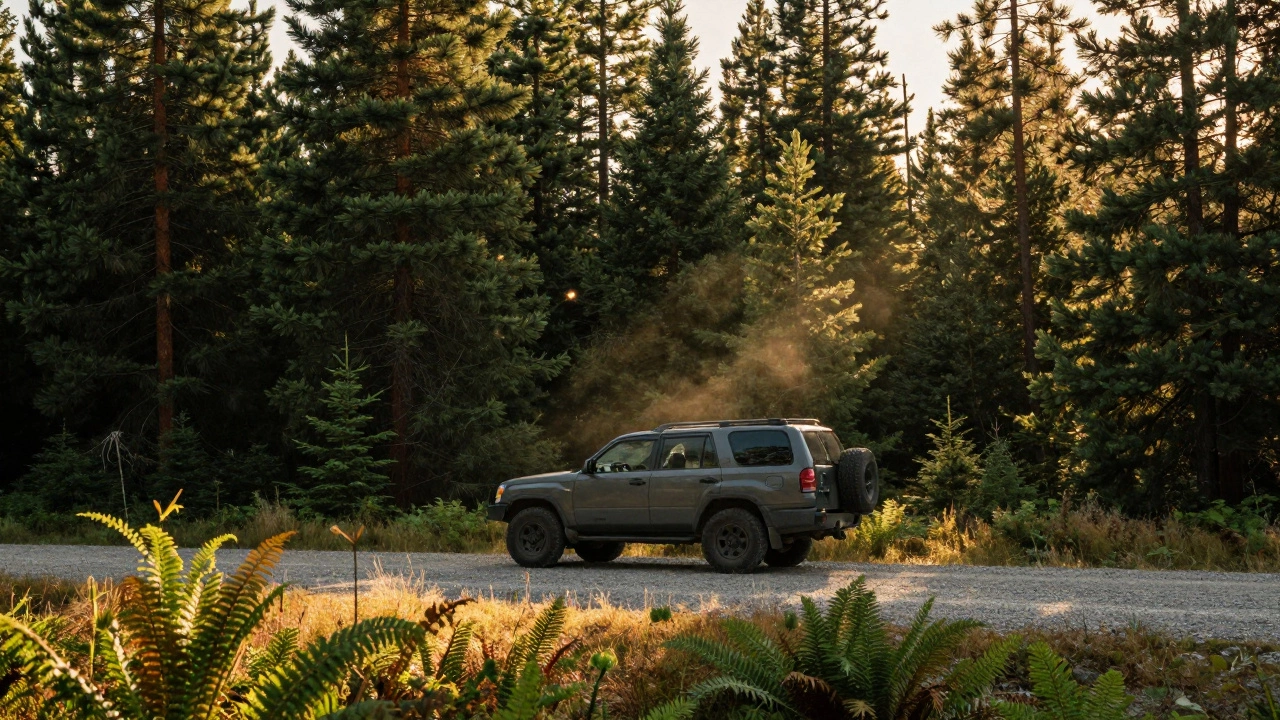
If you want to sleep in your car legally and for free in Michigan, your best bet is the Hiawatha National Forest. Located in the northern Lower Peninsula, Hiawatha is one of the few national forests in the Midwest that explicitly allows dispersed camping. This means you can park your vehicle off the main roads, usually on designated pull-offs or forest service roads, and stay for up to 14 days within a 30-day period.
Here is how it works in practice. You don’t need a permit. You don’t pay a fee. However, you must follow specific rules to keep the privilege open for everyone:
- Stay off paved roads: Parking on the shoulder of a highway or county road is illegal and dangerous. You must be on Forest Service System Roads (FSSR).
- Distance from water: To protect water quality, you must camp at least 150 feet away from any lake, river, or stream.
- No fires: In many areas of Hiawatha, wood fires are prohibited year-round due to fire risk. Use a portable propane stove instead.
- Pack it out: There are no trash cans. Everything you bring in, including human waste if you don't use a vault toilet nearby, must leave with you.
Another option is the Ottawa National Forest, though its dispersed camping options are more limited compared to Hiawatha. Always check current conditions on the USDA Forest Service website before heading out, as access can change due to weather or maintenance.
State Parks and DNR Lands: The Permit Requirement
Unlike national forests, Michigan State Parks do not allow free dispersed camping. If you see a nice spot along a trail in a state park like Sleeping Bear Dunes or Pictured Rocks, you cannot simply pull over and sleep there. All camping in state parks must occur in designated campsites, which require a reservation and a nightly fee.
However, the DNR does manage thousands of miles of trails and remote areas where "primitive camping" might be tolerated if you are hiking in. But for car campers, the rule is clear: if it’s a state park, you pay for a site. Trying to sneak into a closed area often results in being woken up by rangers and issued a citation. It’s not worth the stress. Stick to the designated spots or head to the national forests mentioned above.
Urban Areas and Private Property: Know the Local Laws
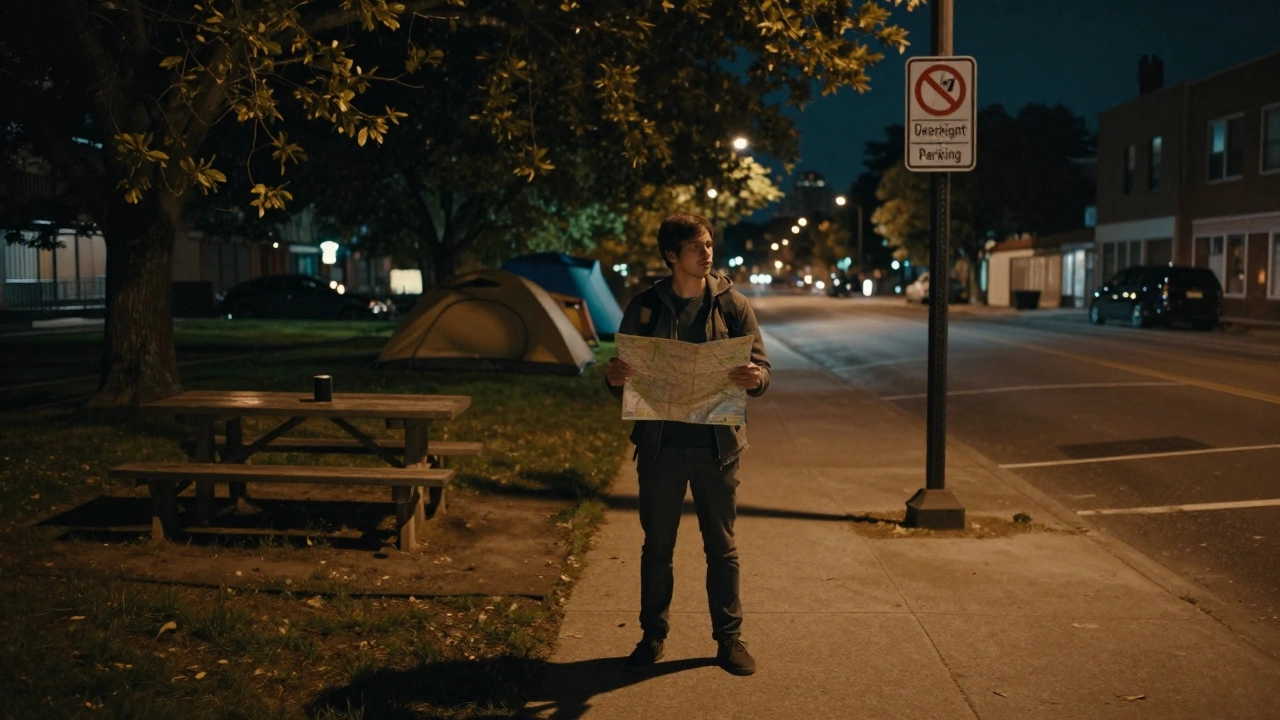
Michigan cities have varying rules about sleeping in vehicles. In major metropolitan areas like Detroit, Ann Arbor, and Grand Rapids, overnight parking in residential zones is strictly prohibited. Many cities have ordinances that ban living out of a vehicle in public spaces to address homelessness concerns. Even if you’re just passing through, you could get ticketed or towed.
That said, some private businesses offer a gray area. The old "Walmart Welcome Mat" policy allowed RVers and car campers to stay overnight in their parking lots. While this was once widespread, many individual store managers now prohibit it due to complaints from locals or safety concerns. Always look for a sign that says "No Overnight Parking." If you don’t see one, it’s polite to ask a manager for permission. Other chains like Cracker Barrel sometimes allow it, but again, local management has the final say.
Best Spots for Car Campers in Michigan
| Location | Type | Cost | Rules & Notes |
|---|---|---|---|
| Hiawatha National Forest | Federal Land | Free | Dispersed camping allowed; 14-day limit; no fires. |
| Ottawa National Forest | Federal Land | Free | Limited dispersed spots; check local ranger district rules. |
| Sleeping Bear Dunes State Park | State Park | $15-$30/night | Designated sites only; book months in advance. |
| Traverse City (Private Lots) | Private | Varies | Ask permission; avoid residential streets. |
| Upper Peninsula Backroads | County Roadside | Free* | *Only if not posted otherwise; be discreet and respectful. |
Tips for Safe and Comfortable Car Camping
Sleeping in your car in Michigan comes with challenges, especially given the variable weather. Here are practical tips to make your trip smoother:
- Dress for layers: Michigan nights can drop quickly, even in summer. Bring warm clothes and a good sleeping bag rated for temperatures lower than expected.
- Use window covers: Privacy and insulation are crucial. Reflective window shades keep you cool during the day and hidden at night.
- Plan your bathroom breaks: In dispersed areas, there are no facilities. Carry hand sanitizer and know how to dispose of waste properly (cat holes 6-8 inches deep, 200 feet from water).
- Stay connected: Cell service can be spotty in national forests. Download offline maps and share your location with someone back home.
- Be invisible: Arrive after dark, leave early. Don’t set up chairs or grills. The less visible you are, the less likely you are to attract attention or complaints.
What About Winter?
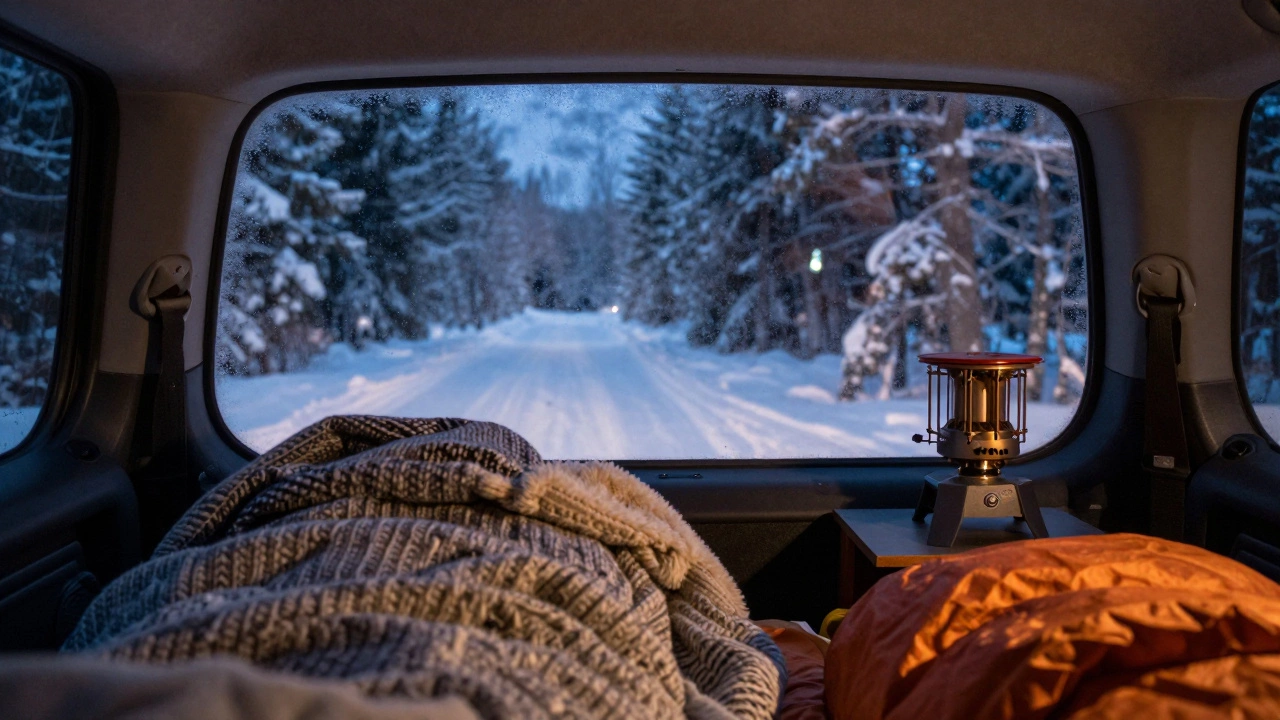
Winter car camping in Michigan is extreme. Temperatures regularly dip below zero, and ice storms can trap you in place. Most dispersed camping areas become inaccessible due to snow and ice. If you attempt this, ensure your vehicle has block heaters, winter tires, and plenty of fuel. Never rely solely on your car engine for heat-it produces carbon monoxide, which can kill you if vents are blocked by snow.
For winter travelers, sticking to established campgrounds with hookups is safer and more comfortable. The beauty of the frozen landscape is stunning, but survival should come first.
Is it legal to sleep in my car in a Walmart parking lot in Michigan?
It depends on the specific store. Walmart corporate policy is lenient, but individual managers can post signs prohibiting overnight parking. Always look for signage and ask permission from staff before settling in for the night. If denied, move on respectfully.
Can I camp anywhere in Hiawatha National Forest?
Not exactly. You must stay on Forest Service System Roads and avoid sensitive ecological areas. Stay at least 150 feet from water sources and do not create new campsites by clearing vegetation. Follow Leave No Trace principles.
Are there any free campgrounds in Michigan?
True free campgrounds are rare. Most free options are dispersed camping sites on national forests. Some county parks may offer low-cost primitive sites, but they still charge a small fee. Always verify costs online before arriving.
What happens if I get caught camping illegally in a city?
You may receive a parking ticket, a fine, or have your vehicle towed. In severe cases, repeated offenses can lead to citations for disorderly conduct. It’s best to respect local ordinances and seek permitted areas.
Do I need a permit for dispersed camping in Michigan?
No, you do not need a permit for dispersed camping in Hiawatha National Forest. However, you must adhere to the 14-day stay limit within any 30-day period. Always check with the local ranger district for any temporary closures or special requirements.