Where Can You Legally Wild Camp in the UK? A Complete Guide
 Sep, 6 2026
UK Wild Camping Legal Checker
Select a region to view its specific legal status and best practices for wild camping.
Region Name
StatusPlease select a region above to see details.
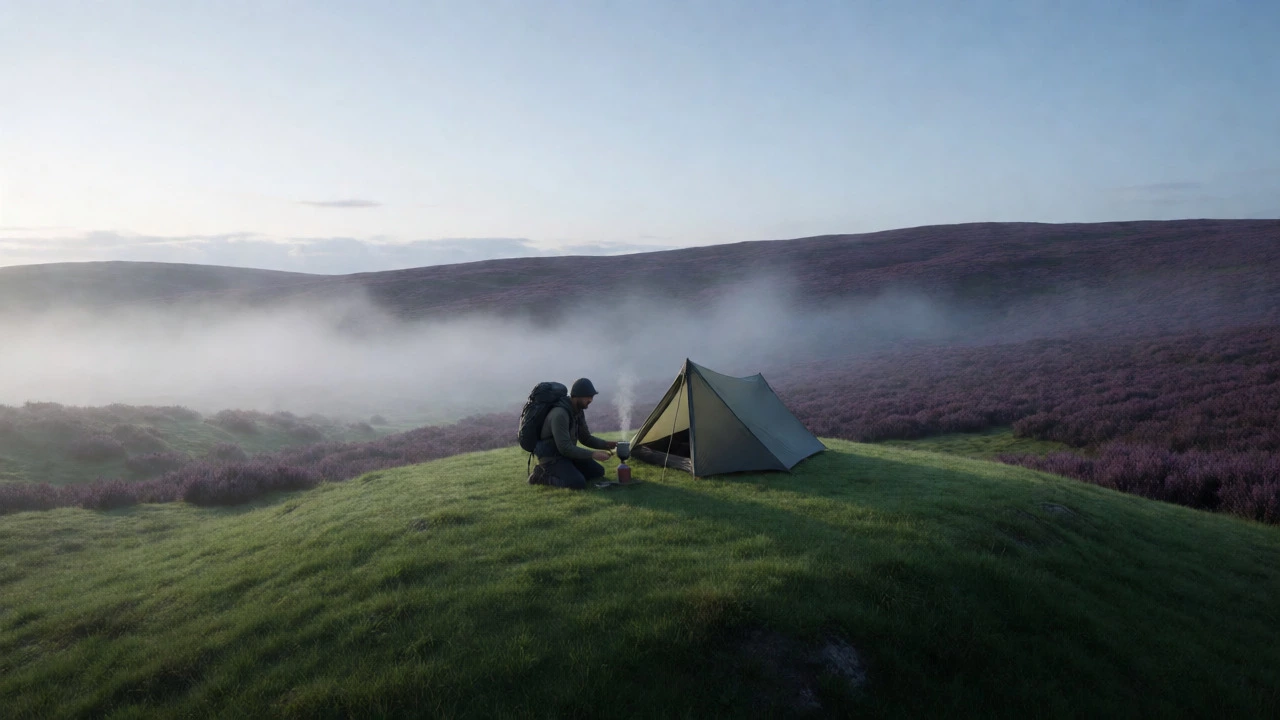
You pitch your tent on a grassy knoll, brew coffee, and watch the mist roll off the hills. It feels free. But is it actually legal? That question keeps many backpackers up at night, not because of the cold, but because of the fear of being told to move along-or worse, fined.
The answer isn't a simple yes or no. The law changes depending on whether you are standing in Scotland, England, Wales, or Northern Ireland. As of 2026, the rules have tightened in some places and loosened in others, largely driven by conservation concerns and landowner disputes. If you want to sleep under the stars without guilt, you need to know exactly where you stand. Here is the breakdown of what you can legally do across the UK.
Scotland: The Gold Standard for Freedom
If you love wild camping, Scotland is your playground. Unlike the rest of the UK, Scotland has specific legislation that protects the right to roam. The Land Reform (Scotland) Act 2003 is the primary piece of legislation that grants public access rights to most land and inland water in Scotland. This means you can camp almost anywhere, provided you follow the Scottish Outdoor Access Code is a set of guidelines that balance the needs of land users with the rights of those accessing the outdoors.
But "almost anywhere" comes with big caveats. You cannot camp within sight of a house if it causes disturbance. You must stay away from busy tourist spots like Loch Lomond’s main shoreline during peak season. And crucially, you must leave no trace. If you leave behind toilet paper or food scraps, you lose your moral-and potentially legal-right to return.
There are exceptions. In parts of the Isle of Arran and around certain lochs, local bylaws restrict camping to designated areas to protect fragile ecosystems. Always check local signage. But generally, if you are respectful, discreet, and mobile (moving on after one or two nights), you are safe.
England: A Patchwork of Rights and Restrictions
Crossing the border into England feels different. There is no general right to wild camp here. Instead, you rely on permission, custom, or very specific legal loopholes. Most land in England is privately owned, and technically, pitching a tent without the owner's consent is trespassing. While civil trespass is rarely prosecuted for a single night, it is still illegal.
However, there are bright spots. The National Parks is a protected area designated by the government to conserve natural beauty and provide opportunities for public enjoyment often tolerate wild camping in remote areas. In the Lake District, for example, the National Park Authority encourages responsible camping above the tree line, away from roads and buildings. They don't explicitly grant a right, but they won't chase you away if you keep it low-impact.
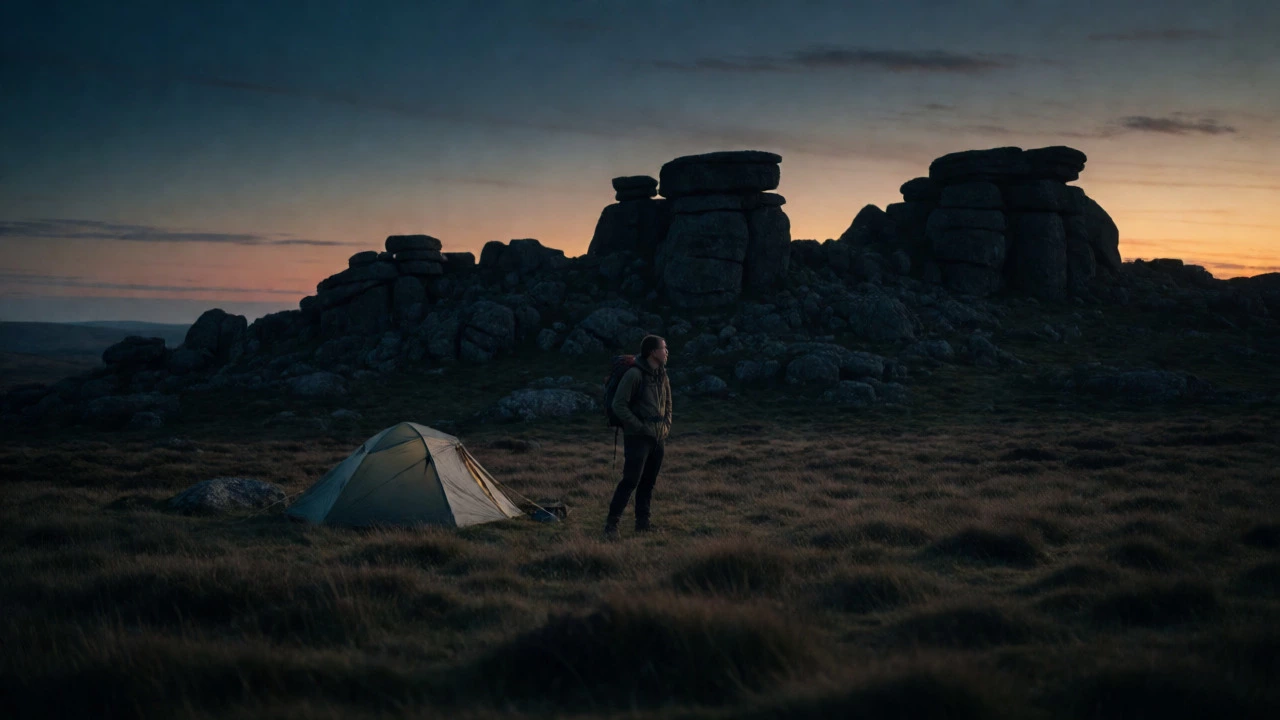
Dartmoor National Park is a national park in Devon known for its rugged moorland and significant history of wild camping rights is the biggest battleground. For years, activists fought to secure a legal right to camp on the moors. In 2024, the Dartmoor Commons Bill was passed, finally codifying the right to wild camp on open access land in Dartmoor. This was a massive victory. Now, you can legally pitch a tent on most of the open moorland, provided you stay at least 100 meters from roads and avoid sensitive archaeological sites.
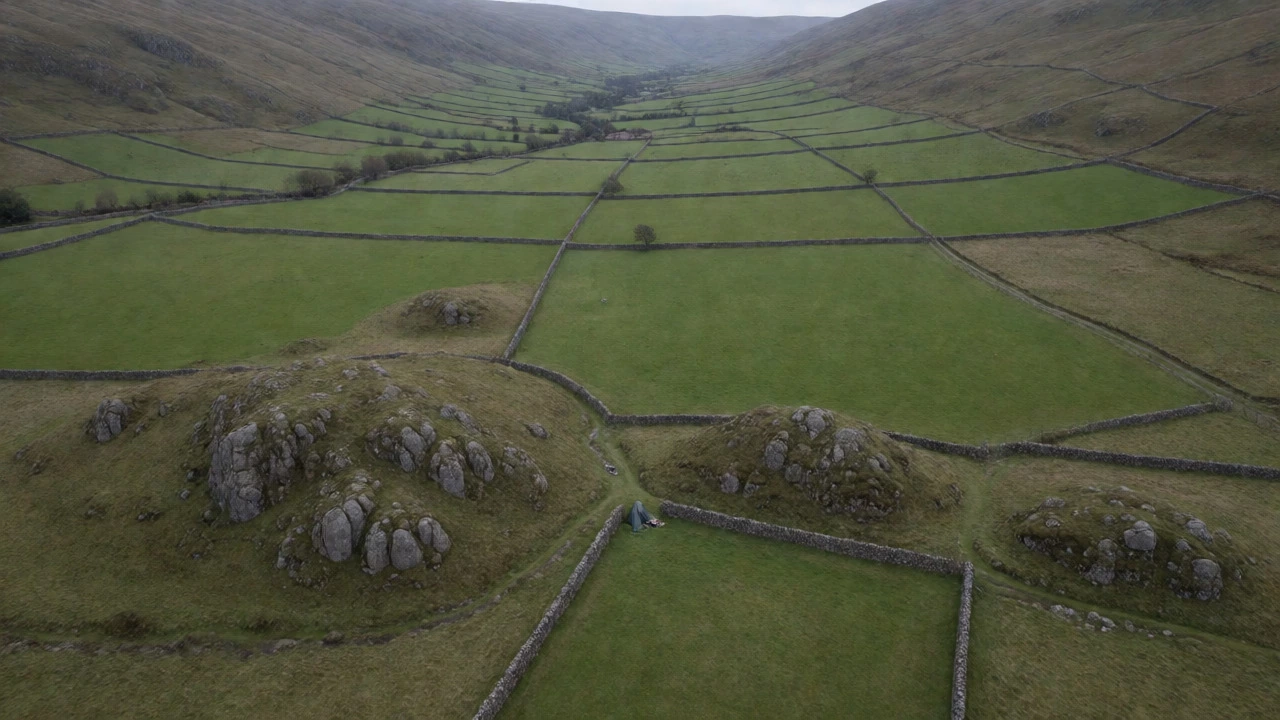
In other English regions, like the Yorkshire Dales or the North York Moors, you are often relying on goodwill. Many farmers allow camping if you ask nicely or use small, informal pitches. Some estates offer paid "wild" spots for a nominal fee, which is a great way to support local landowners while enjoying solitude.
Wales: Navigating Uncertainty
Wales sits in a gray area. Like England, there is no statutory right to wild camp. However, the culture is more permissive than in southern England. Many walkers assume that if they are out of sight of houses, they are fine. This is risky.
The Snowdonia National Park is a mountainous national park in northwest Wales popular with hikers and climbers has seen increased enforcement in recent years. Due to overtourism, the park authority now actively discourages camping in high-traffic zones near Yr Wyddfa (Snowdon). They recommend using established campsites or seeking explicit permission from landowners.
That said, remote areas in the Brecon Beacons (now officially the Bannau Brycheiniog National Park) remain relatively forgiving. If you are truly wild-miles from any road, leaving no trace-you will likely go unnoticed. But remember: ignorance of the law is not an excuse. If a ranger asks you to move, do so politely. Arguing about your "rights" in Wales usually ends badly because, strictly speaking, you don't have them.
Northern Ireland: Strict and Specific
Northern Ireland is the trickiest place to wild camp. There is virtually no tradition of wild camping here, and the landscape is heavily farmed. The Access to the Countryside Order 2005 is legislation that provides limited access rights to the countryside in Northern Ireland gives you the right to walk, but not necessarily to camp.
Most landowners consider tents an intrusion. You might get away with a bivvy bag on a rocky outcrop, but a full tent setup often draws attention. The best strategy here is to ask. Stop at a farm gate, introduce yourself, and ask if you can pitch for the night. Farmers in NI are generally friendly but value their privacy. Alternatively, look for designated "wild" spots managed by organizations like the National Trust, which sometimes permit camping on their lands.
Key Rules for Legal Wild Camping Everywhere
Even where it is legal, you can lose your privilege if you behave badly. The core principle is "Leave No Trace." But beyond picking up litter, there are specific behaviors that separate acceptable wild camping from nuisance.
- Stay Discreet: Pitch late, leave early. Avoid large groups. A solo camper or a pair of friends is less noticeable than a festival-style gathering of ten people.
- Keep Moving: In Scotland, this is a legal expectation. In England, it helps avoid claims of squatting or long-term occupation. Don't set up base camp for a week unless you have permission.
- Manage Waste Properly: Human waste must be buried 15-20cm deep, well away from water sources. Toilet paper should be packed out, not buried. In Scotland, failing to do this can lead to fines under environmental protection laws.
- Avoid Sensitive Areas: Stay away from bird nesting grounds, especially in spring. Check local maps for Sites of Special Scientific Interest (SSSIs), where camping may be prohibited even if the surrounding land is open.
Comparison of Wild Camping Laws Across the UK
To help you plan your next trip, here is a quick reference guide to the legal status in each nation.
| Region | Legal Status | Key Legislation/Guidance | Best Practice |
|---|---|---|---|
| Scotland | Legal (with conditions) | Land Reform (Scotland) Act 2003 | Follow Scottish Outdoor Access Code; move on after 1-2 nights. |
| England | Tolerated / Permission Required | No general right; Dartmoor exception via 2024 Bill | Ask landowners; stick to remote areas in National Parks. |
| Wales | Gray Area / Tolerated | No statutory right; reliance on custom | Avoid high-traffic zones; seek permission if unsure. |
| Northern Ireland | Generally Not Allowed | Access to the Countryside Order 2005 (Walking only) | Ask permission; use designated sites or bivvy bags. |
Common Pitfalls to Avoid
Many campers get into trouble not because they broke the law, but because they misunderstood the context. Here are three common mistakes I see regularly.
Assuming "Remote" Means "Public": Just because you can't see a house doesn't mean the land isn't private. In England and Wales, vast tracts of moorland are owned by corporations or wealthy individuals who may enforce their boundaries strictly. Always look for signs.
Ignoring Fire Bans: Even if camping is legal, lighting a fire might not be. In many National Parks, open fires are banned to prevent wildfires and reduce scorch marks on the landscape. Use a lightweight stove instead. It’s faster, cleaner, and safer.
Parking Problems: Often, the issue isn't the tent-it's the car. Parking on narrow country lanes or blocking gates angers locals quickly. If you drive to your spot, ensure you are parked legally and respectfully. One blocked driveway can ruin the reputation of all wild campers in the area.
Frequently Asked Questions
Can I wild camp on a beach in the UK?
It depends on the location. Many beaches are part of coastal paths or nature reserves where camping is restricted. In Scotland, you can often camp on the foreshore if it is above the highest tide mark and not near a village. In England and Wales, check local council bylaws, as many seaside towns prohibit camping on beaches to maintain cleanliness and safety.
Do I need permission to wild camp in Scotland?
No, you do not need explicit permission for most land in Scotland thanks to the Land Reform (Scotland) Act 2003. However, you must respect the rights of landowners and other users. If a landowner asks you to move due to farming activities or a special event, you should comply promptly.
Is it legal to wild camp in the Peak District?
There is no legal right to wild camp in the Peak District. However, the National Park Authority tolerates camping in remote areas away from roads and settlements. It is best to pitch late, leave early, and keep a low profile. If approached by a warden, be polite and explain you are passing through.
What happens if I am asked to move?
If you are in a region where wild camping is not a legal right (like most of England and Wales), you should pack up and leave. Arguing rarely helps. If you are in Scotland and believe you are following the Access Code, you can politely explain your position, but ultimately, avoiding conflict is better for the future of wild camping.
Are there any new restrictions for 2026?
Yes, several National Parks have introduced seasonal closures or reservation systems for popular wild camping spots to manage overtourism. For example, parts of the Lake District and Snowdonia may require bookings during peak summer weekends. Always check the specific National Park website before you travel.
Final Thoughts on Responsible Camping
The legality of wild camping is shifting. Conservation pressures are real, and our collective footprint is growing. The freedom to sleep under the stars is a privilege, not a guarantee. By sticking to the rules-especially in Scotland where they are clearest, and showing extra caution in England and Wales-you help preserve these spaces for everyone.
If you are new to this, start in Scotland. Build your confidence there, learn the Leave No Trace principles, and then expand your horizons to the rest of the UK. Ask questions, listen to locals, and always prioritize respect over rights. After all, the goal isn't just to survive the night; it's to ensure we can all enjoy these landscapes for decades to come.