What to Wear When Camping in the UK: The Ultimate Packing Guide
 Jun, 22 2026
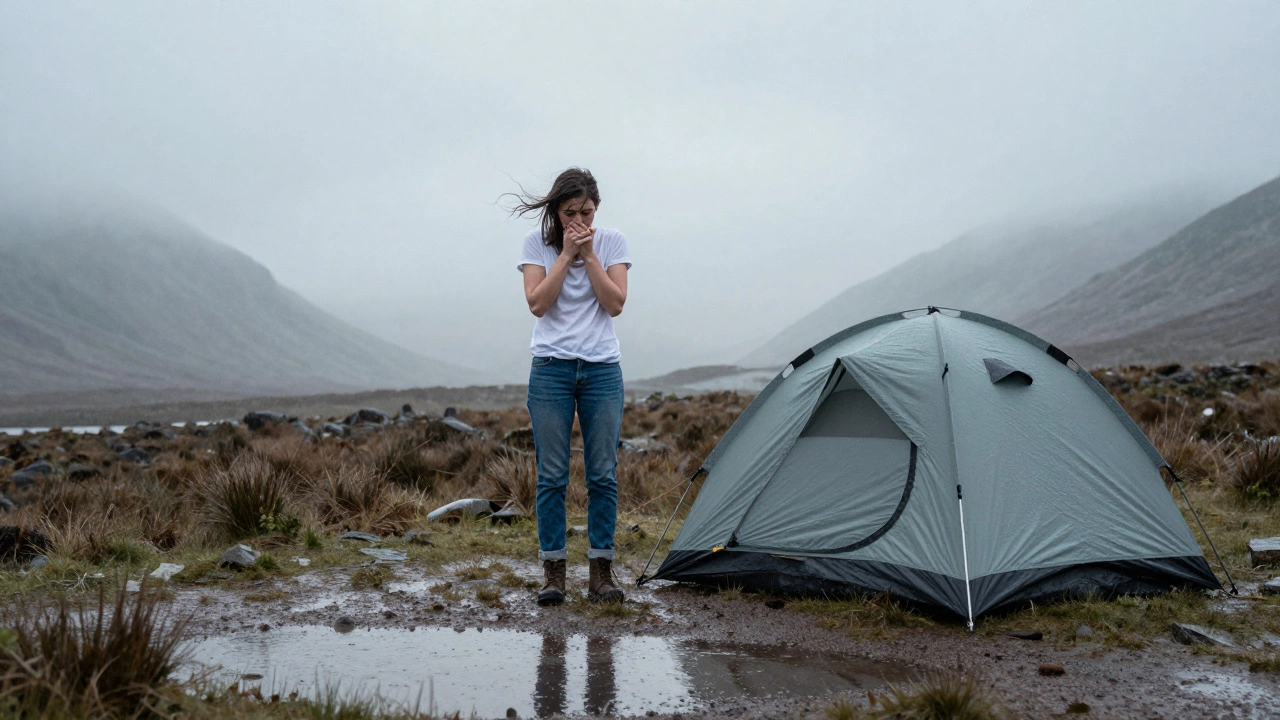
Picture this: you’ve booked a beautiful site in the Lake District or the Scottish Highlands. You arrive, pitch your tent, and feel ready for adventure. Then, ten minutes later, a cold drizzle starts falling, followed by a gust of wind that makes you shiver. If you’re wearing cotton jeans and a thin t-shirt, you are already miserable. The UK weather is known for its unpredictability, often shifting from sunshine to rain within hours. It doesn’t matter if it’s July or November; you can experience all four seasons in a single afternoon.
The secret to staying comfortable isn’t buying the most expensive gear. It’s understanding how to dress for change. Most beginners make the mistake of dressing for the forecast rather than the reality. They pack shorts for a summer trip and get soaked in an afternoon shower. Or they bundle up in heavy wool for a mild spring day and overheat while setting up camp. The solution lies in a specific strategy called the three-layer system. This approach allows you to adjust your body temperature quickly as conditions shift, keeping you dry and warm without sweating through your clothes.
The Golden Rule: Avoid Cotton at All Costs
Before we talk about what to buy, let’s talk about what to leave behind. The biggest mistake new campers make is packing cotton. T-shirts, jeans, hoodies, and sweatpants are great for hanging out in Perth or London on a sunny day. They are terrible for camping in the UK. Why? Because cotton absorbs moisture like a sponge. Once it gets wet from rain or sweat, it stays wet. And when cotton is wet against your skin, it pulls heat away from your body rapidly. In outdoor circles, there’s a famous saying: "Cotton kills." It sounds dramatic, but hypothermia can set in surprisingly fast if you’re damp and cold, even in relatively mild temperatures.
Instead of cotton, you need fabrics that manage moisture. Synthetic materials like polyester and nylon, or natural fibers like merino wool, move sweat away from your skin to the outer layers where it can evaporate. Merino wool is particularly special because it resists odors, so you can wear the same base layer for a few days without it smelling bad. It also keeps you warm even when it’s slightly damp. For your first trip, swap those denim jeans for quick-dry hiking trousers or synthetic joggers. Your future self will thank you when the sun comes out and you need to cool down.
Layer 1: The Base Layer (Moisture Management)
Your base layer is the fabric that touches your skin directly. Its only job is to keep you dry by moving sweat away from your body. Think of it as your personal climate control system. If you sit around the campfire doing nothing, a light synthetic t-shirt is fine. But if you’re hiking up a hill or wrestling with a stubborn tent peg, you’ll generate heat. You need something that breathes.
- Summer: Lightweight synthetic t-shirts or long-sleeve tops. Look for terms like "moisture-wicking" or "quick-dry."
- Spring/Autumn: Mid-weight merino wool tops. These provide a bit of warmth while still managing sweat.
- Winter: Heavyweight merino wool or thermal synthetic sets. You want insulation close to the skin here.
Don’t forget underwear. Again, skip the cotton. Moisture-wicking boxer briefs or leggings made from synthetic blends prevent chafing and keep you feeling fresh. It might sound small, but comfort down under makes a huge difference when you’re walking miles or sitting on damp ground.
Layer 2: The Mid Layer (Insulation)
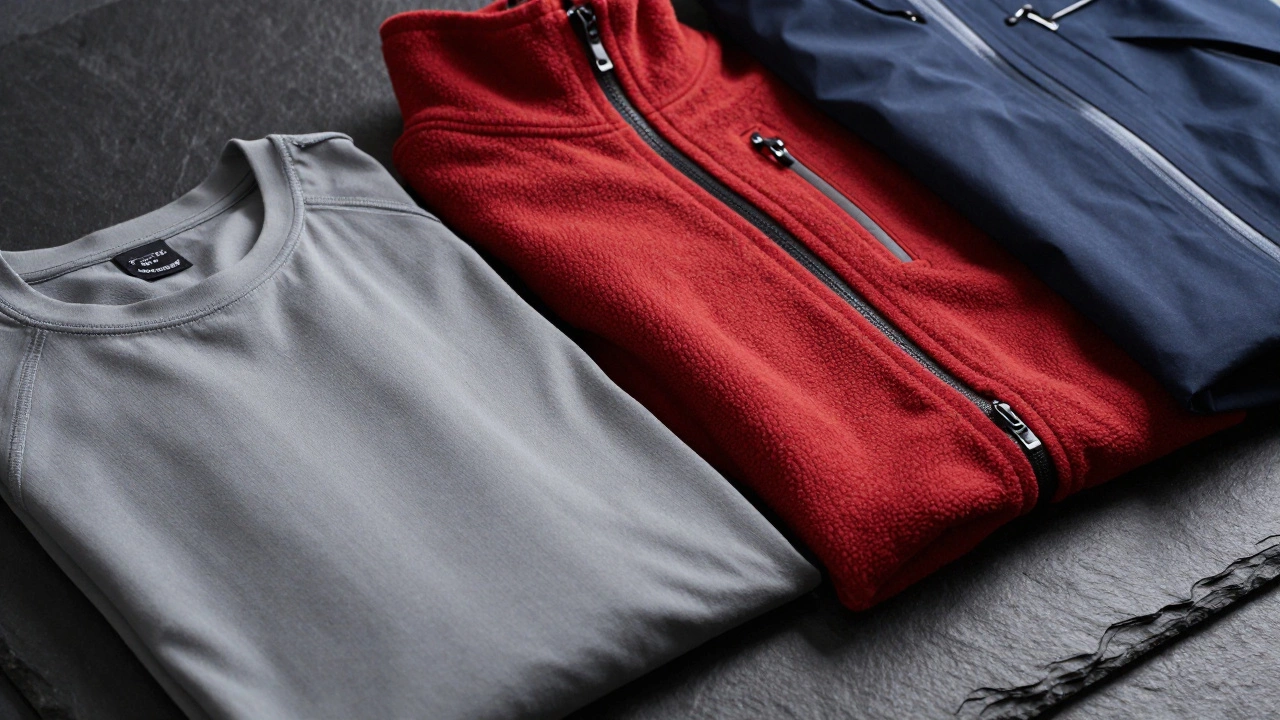
This layer traps heat. It’s the blanket between your skin and the outside world. The key here is versatility. You want something that provides warmth without adding bulk. Fleece is the classic choice for a reason. It’s lightweight, dries quickly, and retains heat even when wet. A fleece jacket or zip-up hoodie is perfect for chilly evenings around the fire.
For colder months, consider a down jacket or a synthetic insulated vest. Down feathers offer incredible warmth for their weight, but they lose their insulating power if they get wet. Synthetic insulation, like PrimaLoft, performs better in damp conditions, which is crucial for UK camping. Many campers carry both: a fleece for active days and a puffy jacket for static moments, like breakfast prep or stargazing. Remember, you can always take off a mid-layer if you start sweating, but you can’t add warmth back if you’re already chilled.
Layer 3: The Outer Layer (Protection)
This is your shield against the elements. In the UK, this means two things: rain and wind. You need a waterproof jacket and waterproof trousers. Not water-resistant-waterproof. There is a big difference. Water-resistant gear might repel a light mist for twenty minutes before soaking through. Waterproof gear has a sealed membrane, like Gore-Tex or eVent, that blocks liquid water while letting vapor escape. Look for a rating of at least 10,000mm for waterproofness and breathability ratings above 10,000g/m²/24h.
A good rain jacket should have adjustable cuffs, a hood that fits over a beanie, and pit zips for ventilation. Pit zips are lifesavers. When you’re hiking uphill in the rain, you open them to let steam out, preventing you from sweating inside your shell. For trousers, full-side zips are useful for putting them on over your hiking boots. No one wants to struggle with tight ankles when they’re already wet and cold.
| Layer | Function | Recommended Materials | Items to Avoid |
|---|---|---|---|
| Base | Moves sweat away | Synthetic polyester, Merino wool | Cotton t-shirts, Jeans |
| Mid | Traps body heat | Fleece, Down, Synthetic insulation | Heavy denim jackets, Wet wool |
| Outer | BLOCKS rain/wind | Gore-Tex, eVent, Hardshell nylon | Umbrellas, Light windbreakers |
Footwear: More Than Just Sneakers
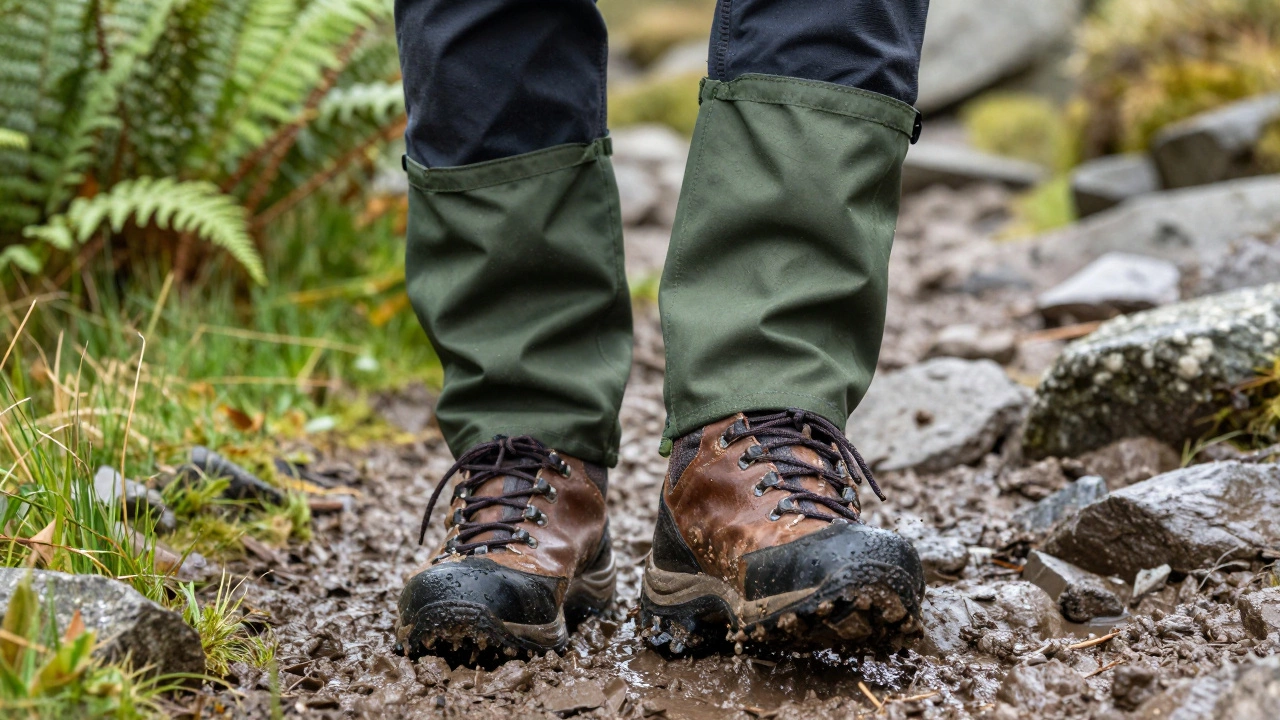
Your feet are your foundation. If they hurt or get wet, the whole trip suffers. Running shoes look stylish, but they lack ankle support and drainage. Trail runners are a popular choice for lighter hikes because they breathe well and dry fast. However, for multi-day camping trips, especially in muddy terrain, sturdy hiking boots are safer. Leather boots treated with wax offer excellent protection against thorns and rocks, but they take longer to dry if they fill with water.
Regardless of the shoe type, bring gaiters. Gaiters are fabric covers that go over your lower legs and the top of your boots. They stop mud, stones, and water from entering your shoes. In the UK, where paths can turn into rivers after rain, gaiters are a cheap insurance policy for dry socks. And speaking of socks, bring several pairs of merino wool hiking socks. They cushion your feet, regulate temperature, and reduce blister risk. Never camp in bare feet or flip-flops unless you’re strictly inside a cabin.
Head, Hands, and Extras
You lose a significant amount of body heat through your head. A simple beanie or skull cap makes a massive difference in comfort during early mornings or late nights. In summer, a wide-brimmed hat protects you from the rare but intense British sun. Don’t underestimate the value of gloves. Even in July, morning dew can make handling tent poles or cooking utensils uncomfortable. Lightweight liner gloves or fingerless gloves allow dexterity while keeping your hands warm.
Finally, think about camp-specific attire. You don’t need to hike in your best clothes. Bring a dedicated set of "camp clothes"-old shorts, a trusted t-shirt, and sturdy sandals or old trainers. These are for cooking, eating, and relaxing. They’ll get dirty, stained with sauce, or muddy. That’s their purpose. Separating your hiking gear from your lounging gear ensures you always have a clean, dry option for sleeping. Sleepwear should be loose, breathable, and warm. Long johns made of merino wool are a camper’s best friend for sleeping bags that aren’t quite warm enough.
Packing Smart for Different Seasons
The UK changes dramatically across the year. Summer (June-August) brings longer days and warmer temps, but also thunderstorms. Pack light layers and plenty of rain gear. Spring and Autumn are volatile. Temperatures swing wildly. You need versatile mid-layers and reliable waterproofs. Winter camping requires serious insulation. Thick base layers, heavy down jackets, and insulated boots are non-negotiable. Always check the local forecast for your specific region, not just the general country. The weather in Cornwall can be vastly different from the Cairngorms.
Pack everything in waterproof stuff sacks or dry bags. Even if your gear is waterproof, storing it dry prevents condensation buildup in your backpack. Organize your clothes by layer so you can grab what you need without unpacking your entire bag. This small habit saves time and frustration when the sky turns grey unexpectedly.
Can I wear jeans when camping in the UK?
It is highly recommended to avoid jeans. Denim is made of cotton, which absorbs water and takes a very long time to dry. If your jeans get wet from rain or dew, they will stay cold and damp against your skin, increasing the risk of hypothermia and discomfort. Instead, choose quick-drying synthetic hiking trousers or soft-shell pants.
Do I really need a waterproof jacket for summer camping?
Yes, absolutely. UK summer weather is unpredictable. One minute it can be sunny and warm, and the next, a heavy downpour can hit. A lightweight, packable waterproof jacket is essential. It protects you from sudden storms and wind chill, ensuring you stay dry and comfortable regardless of the forecast.
What kind of shoes are best for UK campsites?
Sturdy hiking boots or trail runners are best. Campsites in the UK often have uneven, muddy, or rocky ground. Hiking boots provide ankle support and protection, while trail runners are lighter and dry faster. Avoid running shoes with smooth soles as they offer poor traction on wet grass or mud. Pair them with merino wool socks for comfort.
Is merino wool worth the extra cost?
Merino wool is worth the investment for frequent campers. It naturally resists odors, meaning you can wear the same base layer for multiple days without washing. It also regulates temperature effectively, keeping you warm when it's cold and cool when it's hot, even if it gets slightly damp. Synthetic alternatives are cheaper but may require more frequent washing.
How many layers should I bring for winter camping?
For winter camping, you should follow the three-layer system strictly. Bring a heavy thermal base layer, a thick mid-layer like a fleece or down jacket, and a high-quality waterproof and windproof outer shell. Additionally, bring extra accessories like warm gloves, a thick beanie, and insulated socks to protect extremities from the cold.