What to Avoid When Buying a Motorhome: Buyer's Pitfalls
 Oct, 26 2026
Motorhome Buyer's Risk Assessment Tool
Answer the following questions about the motorhome you are considering. This tool estimates your risk level based on common pitfalls identified in expert reviews.
Your Risk Assessment
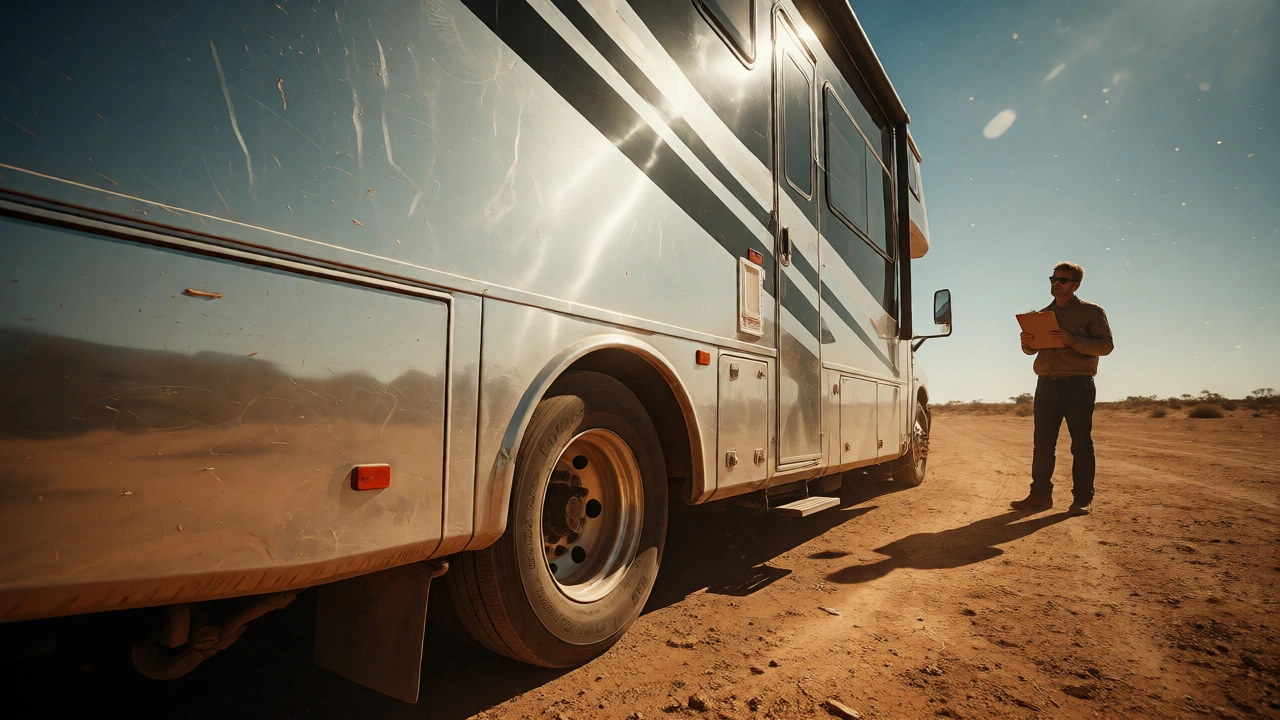
You’re standing in a dusty lot, the sun beating down on your neck, and there it is: that shiny, silver beast with a price tag that looks too good to be true. Your heart races. You can already picture yourself parked by a beach in Broome or tucked into a forest campsite near Perth. But hold up. Before you sign those papers and hand over your life savings, take a breath. Buying a motorhome isn’t like buying a car. It’s more like buying a house that drives, and if you get it wrong, you don’t just lose money-you lose weekends, holidays, and your sanity.
Most buyers make the same five critical errors. They ignore water damage, they underestimate running costs, they skip professional inspections, they buy for their fantasy life instead of their actual one, and they forget about resale value. If you want to avoid becoming another cautionary tale at the next campfire gathering, you need to know exactly what red flags to look for. This isn’t just about spotting rust; it’s about understanding the machine you’re inviting into your life.
The Hidden Water Damage Nightmare
If there is one word that strikes fear into the heart of any motorhome owner, it’s moisture. Unlike a standard sedan, an RV is a complex assembly of wood, insulation, fabric, and electronics glued together in a shell that has to stay watertight while bouncing down corrugated roads. The moment a seal fails, water gets in. And once it’s in, it doesn’t just sit there; it rots the floor from underneath.
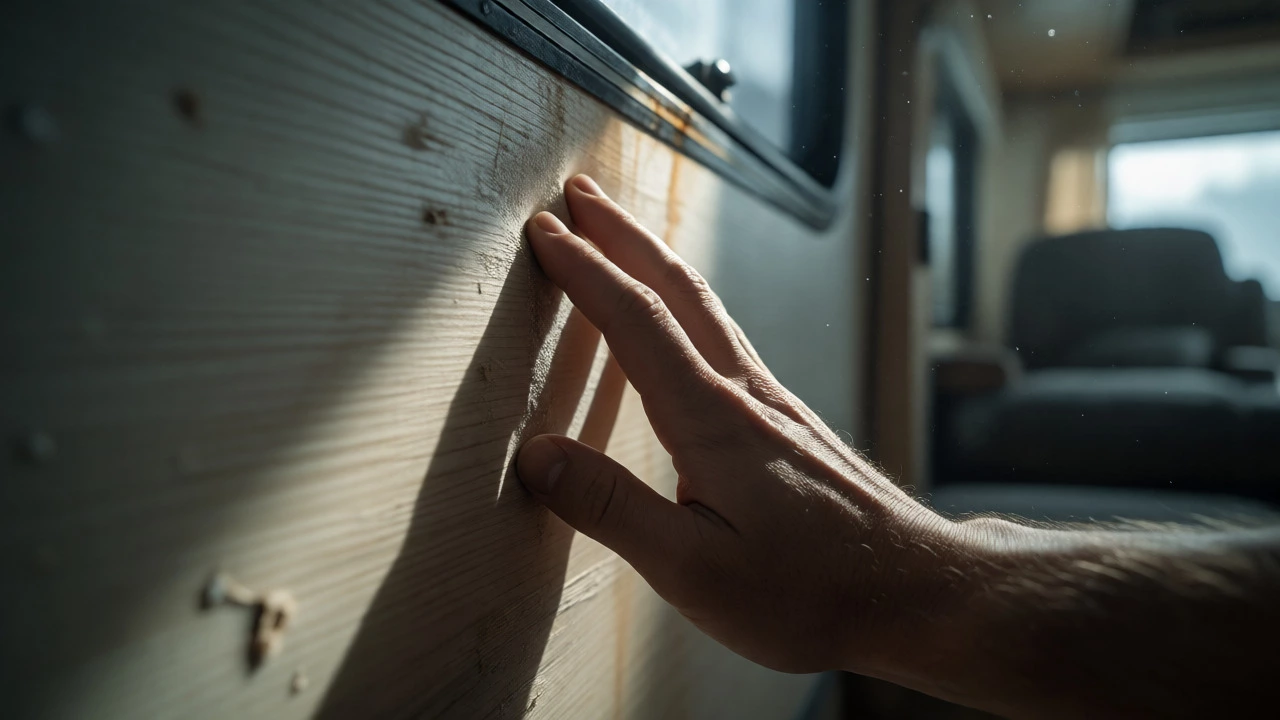
Don’t trust the smell alone. A faint musty odor might be masked by air fresheners or open windows. Instead, use your hands. Press firmly on the walls, especially around windows, skylights, and entry doors. If the paneling feels soft, spongy, or delaminated (where the outer skin peels away from the core), walk away. That’s structural rot. Check under the sink cabinets and behind the shower. Lift the bed covers. Look for brown stains on the ceiling or bubbling paint. These are clear signs that water has been leaking for months, maybe years. Fixing this isn’t a weekend DIY job; it often requires stripping out entire sections of the vehicle, which can cost thousands of dollars. If the seller says, “It’s just a small leak,” ask them to show you where they fixed it last time. If they can’t point to a repair, assume the worst.
Ignoring the Engine and Chassis Reality
Many people fall in love with the living space and treat the engine as an afterthought. Big mistake. The chassis is the skeleton of your home. Whether it’s built on a Ford Transit, Mercedes Sprinter, or Toyota Land Cruiser base, the mechanical health dictates whether you’ll actually reach your destination.
Check the service history meticulously. Does it have full dealer servicing? Or is it a patchwork of receipts from random workshops? For diesel engines, which most large motorhomes use, pay attention to the mileage relative to the age. A 10-year-old van with 300,000km needs different scrutiny than one with 50,000km. Listen to the cold start. Is there excessive smoke? Blue smoke means burning oil; black smoke means unburnt fuel. Both are expensive fixes. Also, check the transmission fluid. If it smells burnt or looks dark brown, negotiate hard or walk. Transmission repairs in heavy vehicles can easily exceed $5,000. Don’t let the pretty interior distract you from the fact that the heart of the vehicle might be failing.
Underestimating Running Costs and Insurance
Here’s a trap many first-time buyers fall into: they budget for the purchase price but forget the monthly bleed. A motorhome isn’t cheap to keep happy. Insurance premiums are significantly higher than for a car because these vehicles are high-value targets for theft and difficult to repair. In Australia, comprehensive cover for a mid-sized motorhome can run between $2,000 and $4,000 a year, depending on your location and driving history.
Then there’s registration and stamp duty, which vary by state but add up quickly. Fuel consumption is another shocker. Expect 12-18 liters per 100km for a diesel model. If you plan to tour extensively, calculate your annual fuel bill before you buy. Maintenance is also pricier. Tires wear out faster due to weight and infrequent movement (flat-spotting). Brake pads and discs need replacing more often. And don’t forget gas bottles and electrical systems. If you’re renting out the motorhome when not in use, factor in cleaning fees and wear-and-tear deductions. Ask yourself: Can I afford to own this, or am I just affording to buy it?
Buying for Fantasy vs. Reality
Do you really need a king-size bed? Do you need a separate shower and toilet? Many buyers purchase a Class C motorhome with all the bells and whistles because they imagine grand tours across the continent. Then they realize they only use it for two weekends a year, mostly visiting friends within a 2-hour drive radius.
Be honest about your usage. If you’re a couple who likes off-grid camping, a smaller, more agile camper van might serve you better than a massive coach-built motorhome. Large vehicles restrict where you can park. Some national parks in Western Australia prohibit vehicles over a certain length. City parking becomes a nightmare. Maneuverability matters. If you’ve never driven a 7-meter long vehicle, test drive it in tight spaces before committing. Buy for the trips you actually take, not the trips you think you’ll take. There’s no shame in starting small. You can always upgrade later, but selling a poorly chosen large motorhome can result in significant financial loss.
Skipping the Professional Inspection
You wouldn’t buy a second-hand house without a building inspection, so why would you buy a second-hand house-on-wheels without one? Yet, countless buyers skip this step to save $300-$500. This is false economy. A specialized RV inspector knows exactly where to look. They bring moisture meters to detect hidden dampness behind wall panels. They check the integrity of the habitation body separately from the chassis.
They inspect the roof seals, which degrade over time due to UV exposure. They check the water pump, fridge compressor, and gas appliances for safety compliance. In Australia, gas safety certificates are mandatory for roadworthiness in some contexts and essential for insurance validity. An inspector will spot cracked window frames, faulty electrics, and worn suspension components that you might miss. If a seller refuses to allow an independent inspection, that’s a major red flag. Walk away immediately. It usually means they know something you don’t.
Neglecting Resale Value and Depreciation
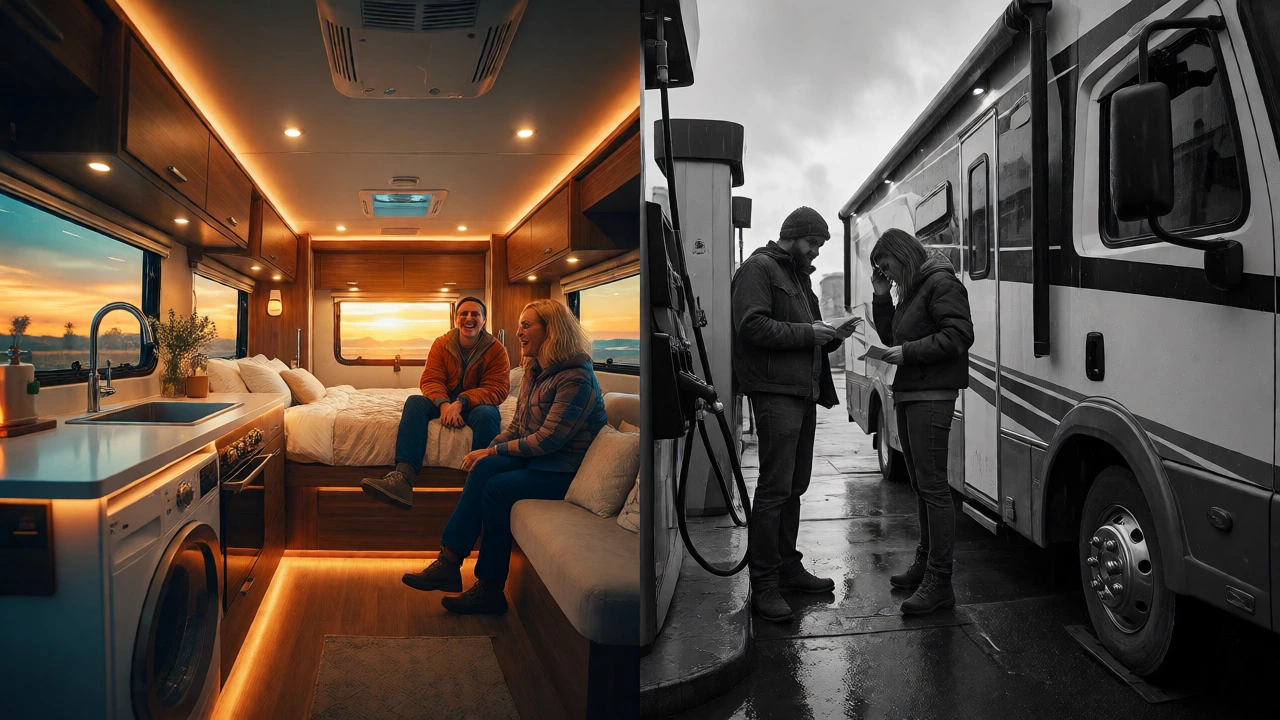
Motorhomes depreciate differently than cars. While luxury brands like Mercedes maintain value reasonably well, niche custom builds or obscure brands can tank in value. If you buy a highly customized unit with specific layouts or unusual color schemes, you limit your future buyer pool. What you find quirky might turn off 90% of potential purchasers.
Stick to popular models and layouts if resale is important to you. Research recent sales prices on sites like CarsGuide or Redbook before making an offer. Don’t overpay based on emotional attachment. Remember, the market for motorhomes is seasonal. Prices often dip in winter when fewer people are looking to buy. Timing your purchase can save you thousands. Conversely, selling in late spring just before the holiday season can fetch a better price. Plan your exit strategy before you enter the deal.
| Issue Area | Warning Signs | Estimated Repair Cost (AUD) | Skip Level |
|---|---|---|---|
| Water Damage | Soft walls, musty smell, bubbling paint | $2,000 - $10,000+ | Critical |
| Transmission | Slipping gears, burnt smell, rough shifts | $4,000 - $8,000 | Critical |
| Roof Seals | Cracked sealant, past leaks | $500 - $1,500 | High |
| Fridge/Compressor | Not cooling, loud noise, error codes | $800 - $2,000 | Medium |
| Tires/Suspension | Cracking sidewalls, uneven wear | $600 - $1,200 | Medium |
Frequently Asked Questions
Is it worth buying a motorhome with high mileage?
Yes, provided the service history is complete and consistent. High mileage on a well-maintained diesel engine is often preferable to low mileage on a neglected one. Engines that run regularly tend to stay healthier than those left sitting for months. However, always verify that the mileage matches the wear on the tires, pedals, and steering wheel.
How do I check for mold in a motorhome?
Use a moisture meter, available at hardware stores for under $50. Test various points on walls, ceilings, and floors. Readings above 15-20% indicate excess moisture. Also, look for discoloration on upholstery and check inside cabinet corners where airflow is poor. Smell is unreliable as sellers often mask odors.
Can I rent out my motorhome to offset costs?
Yes, platforms like Camplify operate widely in Australia. However, consider the increased wear and tear. You’ll need commercial-grade insurance if you’re renting frequently, and you must account for cleaning fees and downtime between rentals. Calculate net profit carefully; sometimes the hassle outweighs the income.
What documents should I request from the seller?
Request the logbook (registration), service history records, receipt for any major repairs (especially roof or engine work), and a valid gas safety certificate. If possible, get a copy of the original brochure to understand the factory specifications versus any modifications made.
Are older motorhomes cheaper to insure?
Not necessarily. Older vehicles may lack modern security features like immobilizers and alarms, which can increase premiums. Additionally, parts for older models can be harder to source, leading to higher labor costs for insurers. Always get quotes for specific models before assuming age equals lower cost.