What State Are Motorhomes Cheapest? A Buyer's Guide for 2026
 Oct, 29 2026
Motorhome Cost Comparison Calculator
Enter your motorhome details to see how location impacts your upfront and recurring costs. This tool uses average data from the article to estimate potential savings.
State: Oregon
Sales Tax Rate: 0%
Est. Reg Fee: $175
Ins. Multiplier: 1.0x
No state sales tax. Ideal for purchase.
Cost Breakdown for Oregon
| Cost Category | Amount | Notes |
|---|---|---|
| Sales Tax | $0 | No state tax in Oregon. |
| Registration Fee (First Year) | $175 | Estimated annual fee. |
| Insurance (Year 1) | $2,000 | Based on base rate x multiplier. |
| Total First-Year Additional Costs | $2,175 | Excludes vehicle price & fuel. |
| State | Sales Tax | Est. Reg Fee | Ins. Factor | Best For |
|---|
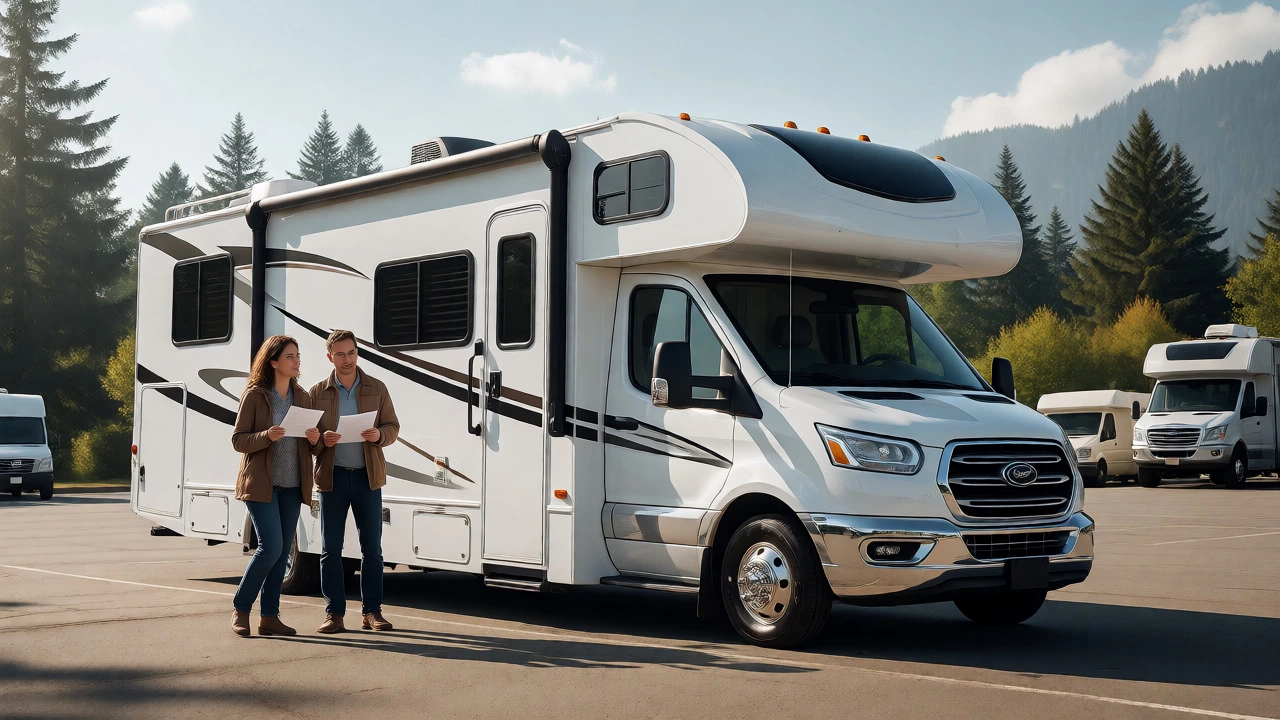
You’re standing in a dealership lot, staring at a Class C motorhome that looks perfect for your next cross-country adventure. The sticker price is high, but you know the real cost isn’t just what’s on the window-it’s the sales tax, the annual registration, and the insurance premiums that follow you home. If you buy in the wrong state, you could easily lose $5,000 to $10,000 before you even start the engine.
Most people assume California or New York are expensive, which they are. But did you know that buying an RV in Florida can sometimes cost you more in hidden local surcharges than buying in Oregon, where there is no state sales tax at all? Finding the cheapest states for motorhomes isn’t just about finding a cheap vehicle; it’s about understanding the regulatory landscape that dictates your total cost of ownership.
The Tax Trap: Where You Buy Matters More Than Where You Park
Here is the counterintuitive truth: you don’t necessarily have to live in the cheapest state to buy your RV there. In many cases, you can buy a motorhome in a tax-free state and register it in your home state, paying only your home state’s use tax (if any). This strategy, often called "tax avoidance" rather than evasion, relies on strict timing and documentation rules.
Five states currently charge zero percent state sales tax on goods: Oregon, a Pacific Northwest state known for its lack of general sales tax. Also Montana, New Hampshire, Delaware, and Alaska. However, Alaska allows municipalities to levy their own taxes, so you must check local jurisdictions. Buying in these states saves you between 4% and 10% of the purchase price immediately. On a $100,000 motorhome, that is $4,000 to $10,000 back in your pocket.
But here is the catch: if you drive that Oregon-bought RV straight to Texas and register it within 30 days, Texas will likely charge you its 6.25% state sales tax plus local add-ons, effectively erasing your savings. To keep the tax-free status, you generally need to keep the vehicle out of your home state for a specific period-often 90 days-or prove it was purchased for immediate travel. Always consult a CPA who specializes in mobile living before attempting this loophole.
Registration Fees and Annual Costs by Region
Once the initial sale is done, the annual recurring costs kick in. This is where states like Montana become famous among full-time RVers. Montana offers low annual registration fees and no personal property tax on vehicles for non-residents who maintain a registered agent address there. For full-timers who spend less than six months in any single state, establishing residency in Montana can significantly lower long-term costs.
| State | Sales Tax (Purchase) | Annual Reg Fee (Est.) | Personal Property Tax | Best For |
|---|---|---|---|---|
| Oregon | 0% | $150 - $200 | No | Purchasing & Short-term stays |
| Montana | 0% | $180 - $250 | No (for non-residents) | Full-time residency |
| Texas | 6.25% + Local | $150 - $250 | Yes (Varies by county) | High inventory availability |
| Florida | 6% + Local | $100 - $300 | Yes (Homestead exemption possible) | Retirees & Seasonal users |
| California | 7.25% + Local | $200 - $400 | Yes (High rates) | Coastal touring |
Note that Texas and Florida have high inventory volumes. While you pay sales tax upfront, the sheer number of used units means you might find a better base price on the vehicle itself, offsetting some tax costs. It is a trade-off: higher transaction costs versus potentially lower asset depreciation due to market saturation.

Insurance Premiums: The Hidden Variable
Many buyers forget that insurance rates are tied to your garaging address. If you register your motorhome in a state with high accident rates or severe weather risks, your premiums will reflect that. Louisiana, for example, has some of the highest auto and RV insurance rates in the country due to hurricane risk and litigation trends. Conversely, states with rural landscapes and fewer traffic fatalities, such as South Dakota or Wyoming, often offer cheaper premiums.
If you are a part-time RVer, you cannot simply pick the cheapest state for insurance. Insurers require your primary residence address to match your registration. If you lie about your garaging location to save money, you risk having claims denied after an accident. Full-timers have more flexibility because they can legally establish residency in a low-cost state like South Dakota, which also has no state income tax, making it a triple threat for financial efficiency.
Depreciation and Market Value Trends
Where you buy affects resale value too. Motorhomes sold in coastal areas or tourist hubs like San Diego or Miami often sell faster because of demand, but they may carry higher mileage from rental fleets. In contrast, buying from private sellers in the Midwest, such as Ohio or Indiana, often yields well-maintained units used primarily for weekend trips, leading to slower depreciation.
Consider the climate impact. Salt air accelerates rust and corrosion. An RV bought in Arizona will likely have a cleaner undercarriage than one bought in Maine. When calculating the "cheapest" state, factor in maintenance longevity. A slightly more expensive purchase in a dry climate might save thousands in bodywork repairs over five years compared to a bargain purchase in a humid, salty environment.

Strategic Buying: How to Maximize Savings
To truly get the best deal, combine geographic arbitrage with timing. Here is a step-by-step approach to minimizing your total cost:
- Identify Your Residency Status: Are you full-time or part-time? Full-timers should look at Montana or South Dakota for registration benefits. Part-timers must stick to their home state rules.
- Target Tax-Free Zones for Purchase: Plan a trip to Oregon, Delaware, or New Hampshire to buy your unit. Ensure you have proof of temporary stay if required by your home state.
- Negotiate Based on Inventory: Use online tools to compare average asking prices in different regions. If Texas has 50 listings for your model and Oregon has 2, you have leverage in Texas, even with tax.
- Check Local Surcharges: Before finalizing, call the DMV of your intended registration state. Ask specifically about "luxury vehicle fees" or "environmental surcharges" that apply to heavy RVs.
- Secure Insurance Quotes Early: Get quotes based on both your home address and potential alternative addresses. Sometimes moving your mailing address to a relative in a cheaper state (while keeping physical possession) works for certain insurers, but verify this carefully.
Remember, the goal isn't just to pay less today, but to avoid penalties tomorrow. Failing to report a purchase correctly can lead to fines that dwarf the tax savings. Keep every receipt, bill of sale, and travel log proving your time out-of-state during the purchase window.
Common Pitfalls to Avoid
One major mistake is assuming all states treat motorhomes the same. Some classify them as passenger vehicles, others as commercial trucks, affecting weight-based registration fees. Another pitfall is ignoring title transfer delays. If you buy in Oregon but wait four months to register in California, you might face late fees and interest charges.
Also, beware of "dumping grounds." Some dealerships in border states inflate prices knowing out-of-state buyers won't shop locally. Always compare the out-the-door price against national averages using platforms like NADA Guides or Kelley Blue Book before committing to a location-specific deal.
Which state has the lowest sales tax for buying a motorhome?
Oregon, Montana, New Hampshire, Delaware, and Alaska have no state sales tax. However, Alaska may have local municipal taxes, so always check the specific city or borough regulations before purchasing.
Can I buy an RV in a tax-free state and register it in my home state?
Yes, but most states will charge you a "use tax" equivalent to their sales tax if you bring the vehicle into the state shortly after purchase. To avoid this, you typically need to keep the vehicle out of your home state for a minimum period, often 90 days, and provide proof of travel.
Is Montana really good for full-time RVers?
Yes, Montana is popular because it has no state sales tax, low annual registration fees, and no personal property tax on vehicles for non-residents who maintain a registered agent. This makes it ideal for those who travel year-round and don't want to establish residency in a high-tax state.
Do insurance rates vary significantly by state?
Absolutely. States with high weather risks (like hurricanes in Florida or Louisiana) or high traffic density (like California or New York) tend to have higher insurance premiums. Rural states with lower accident rates often offer cheaper coverage.
Are there hidden fees when buying an RV in another state?
Yes, watch out for title transfer fees, emission testing requirements, and local registration surcharges. Some states also charge extra for heavier vehicles, which applies to large Class A motorhomes. Always ask for a complete breakdown of costs before signing.